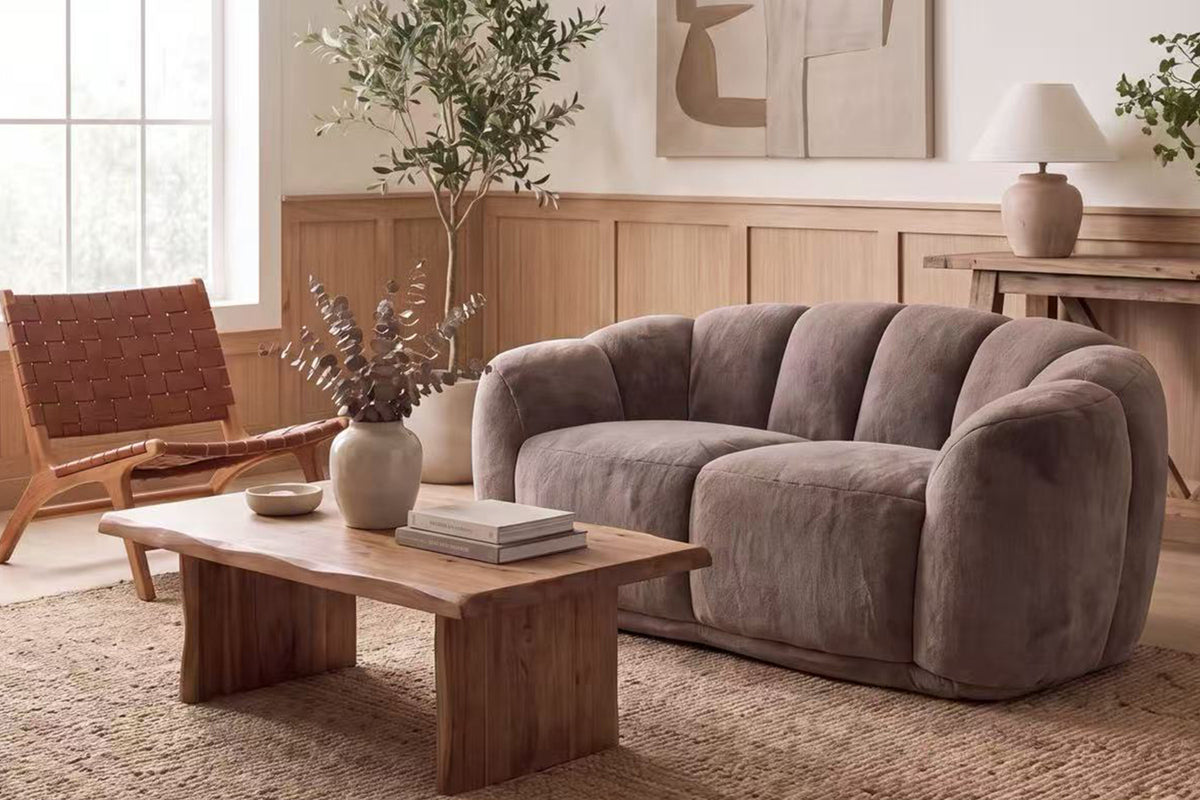
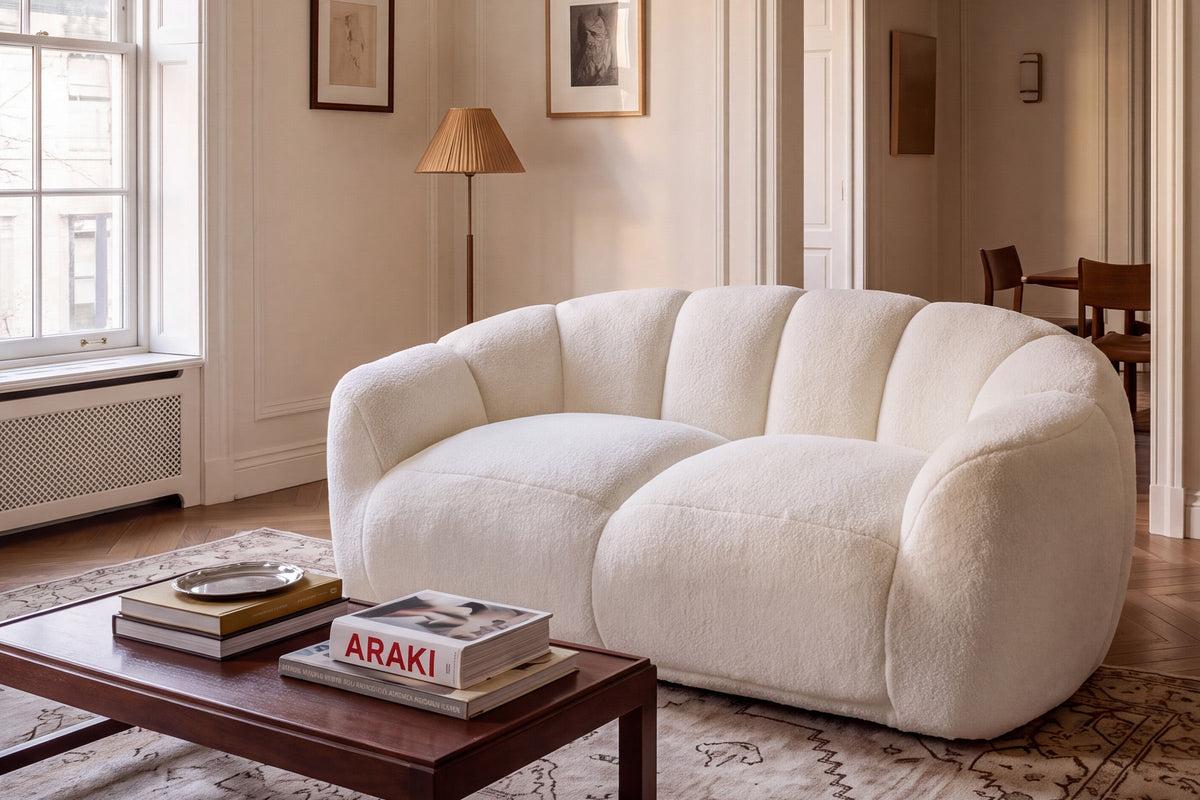
Make a Small Living Room Feel Bigger Without Losing Comfort
A cozy living room usually goes wrong in one of two ways: the sofa is too big, so every path feels pinched, or the seating is too small, so the room looks unfinished and never becomes the place where you actually want to land at the end of the day. In a compact apartment, condo, or starter home, one sofa often has to do almost everything. It needs to anchor the room, support daily lounging, and still leave enough breathing room for real movement.
That is why a one-sofa makeover works so well in small spaces. Instead of forcing in extra pieces, you build around one strong seating decision and let layout, scale, and styling do the rest.
The best small-room sofa roles to choose from
Not every cozy living room has the same job. Before you compare styles, decide what the sofa needs to do most days.
- Everyday lounging for two: best when the room is your main unwind zone.
- Flexible hosting: useful when you want enough seating without adding a second bulky piece.
- Soft zoning in open-plan layouts: a modular shape can define the living area.
- Casual media nook seating: a floor sofa can create a lower, more relaxed mood.
That is the real filter. Once you know whether the room is for conversation, movie nights, reading, or mixed use, the best sofa type becomes much easier to spot. (chairus.com)
Step 1: Decide the room's primary use
Your layout should serve the most common activity, not the occasional one.
- Movie nights and daily lounging: prioritize seat comfort and sightline alignment.
- Reading corner with occasional guests: leave room for a slim side table and lamp.
- Apartment hosting: favor a sofa that seats two comfortably without sectional bulk.
- Family traffic zone: protect the clearest path through the room.
If the room does many jobs, pick the one that happens at least five days a week. That should control the sofa decision.
Step 2: Build around one strongest piece
With a one-sofa plan, placement matters more than accessory count.
- Center the sofa on the longest clear wall when possible.
- Float it only if pathways stay open on both sides.
- Use one rug to define the seating zone.
- Let pillows add color instead of adding extra furniture.
Step 3: Keep the surrounding pieces lighter
The sofa should carry the visual weight. Everything else should support it.
- Choose narrow side tables instead of bulky storage cubes.
- Prefer open-leg tables over solid block bases.
- Add one accent chair only if circulation still feels easy.
- Use vertical lighting to save floor area.
- Keep cords tucked and walkways clear.
That last point is not just aesthetic. OSHA guidance on walking surfaces stresses keeping passageways free of obstructions, and its trip-prevention materials specifically note that furniture and cords should not interfere with pedestrian paths. (osha.gov)
Which Sofa Setup Fits Your Space Best?
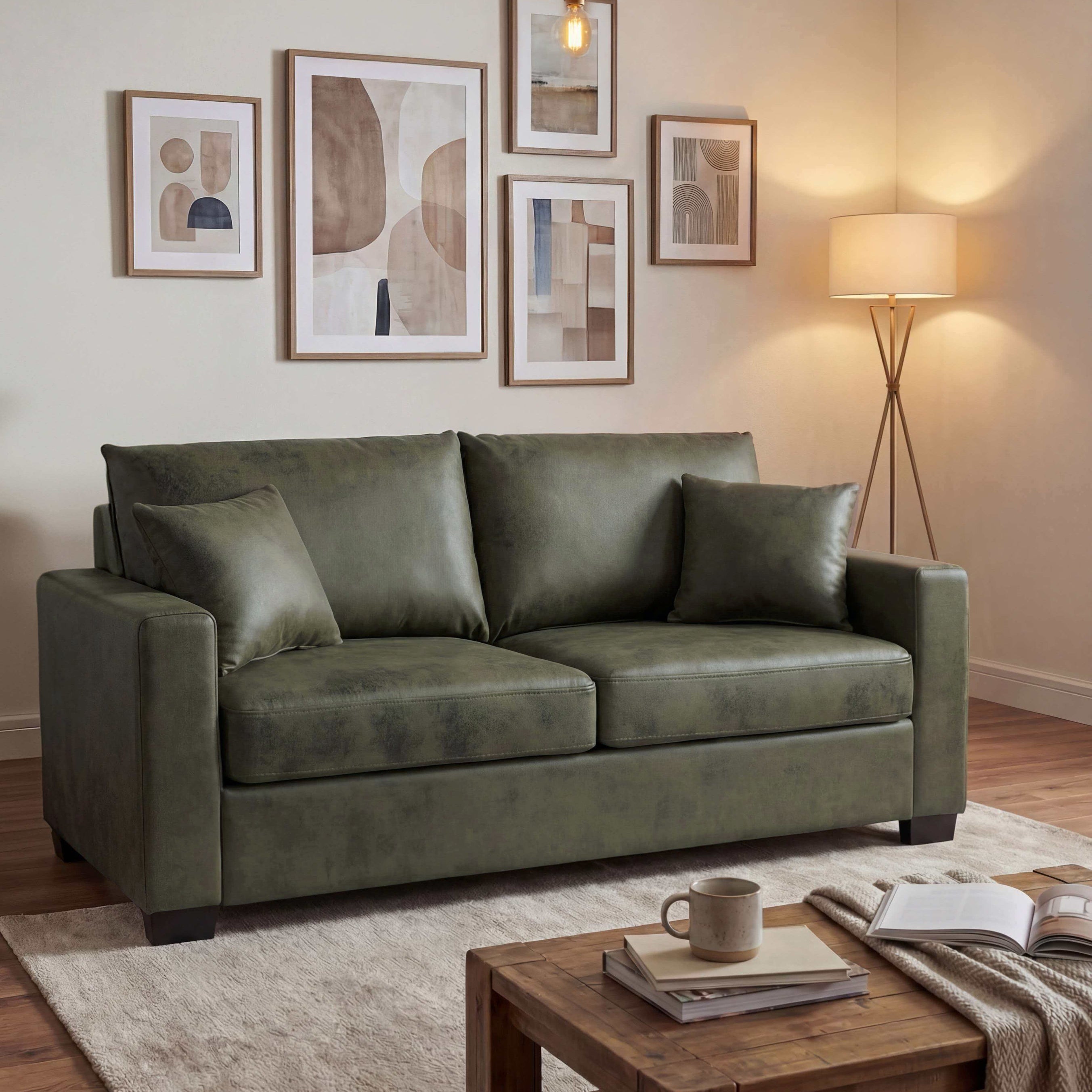
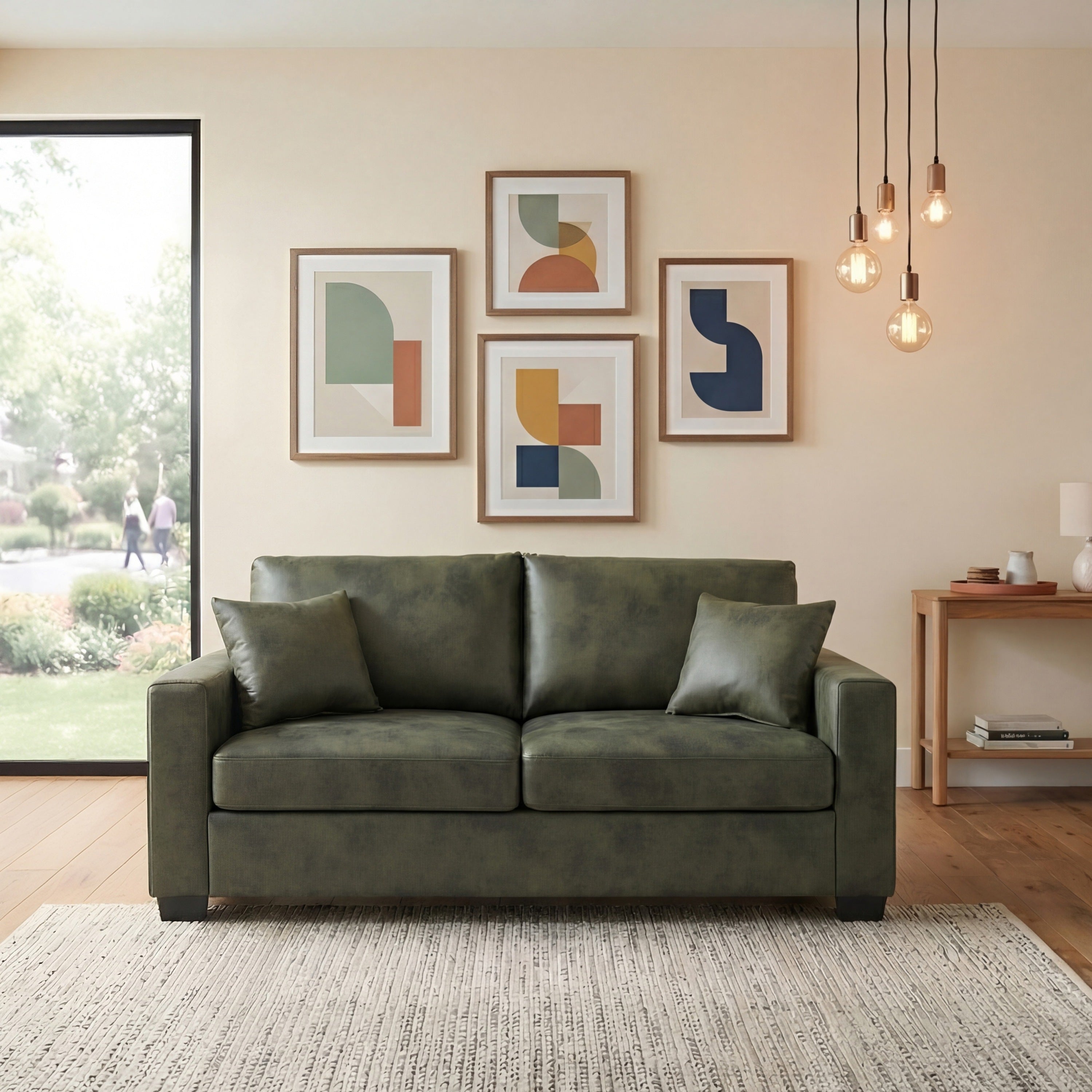
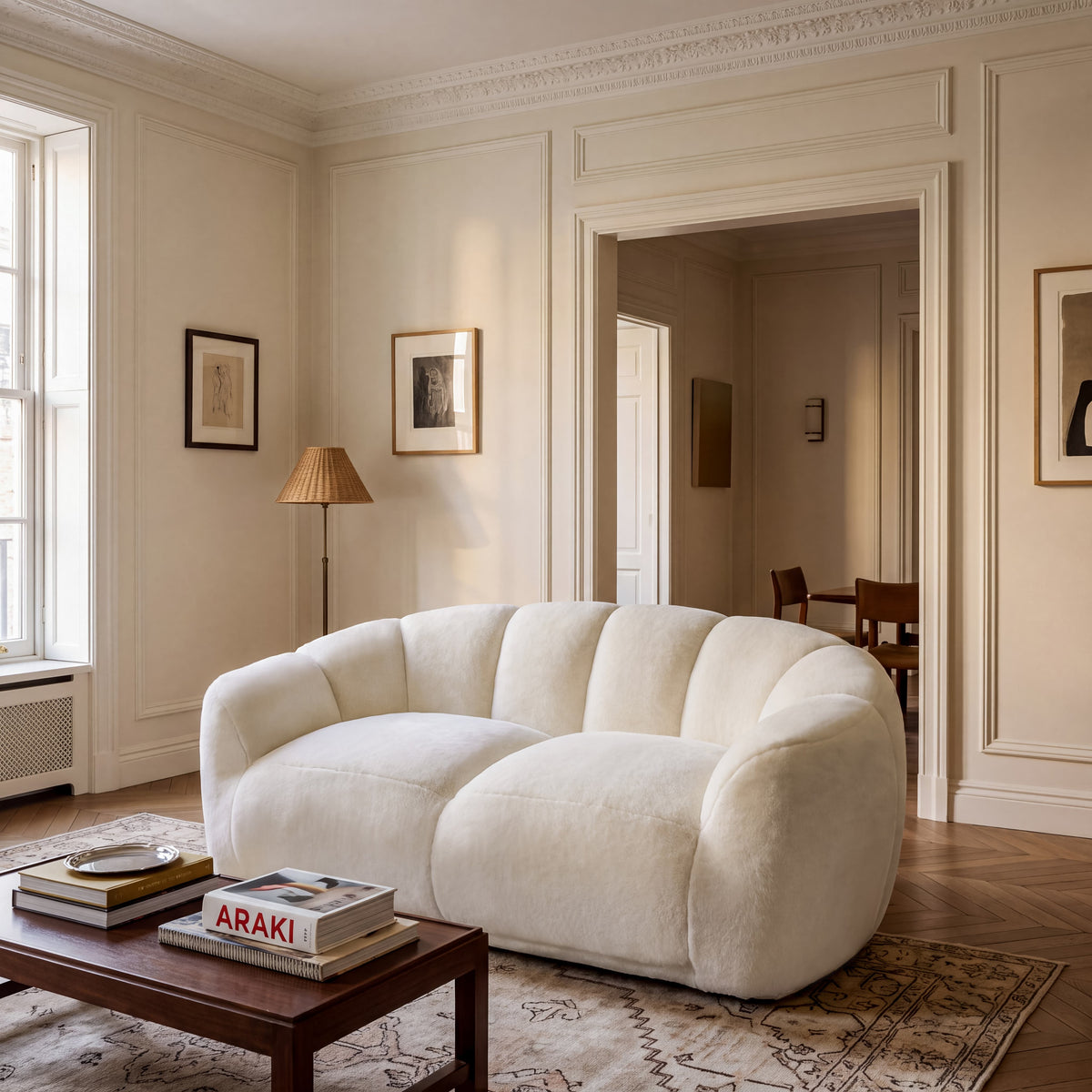
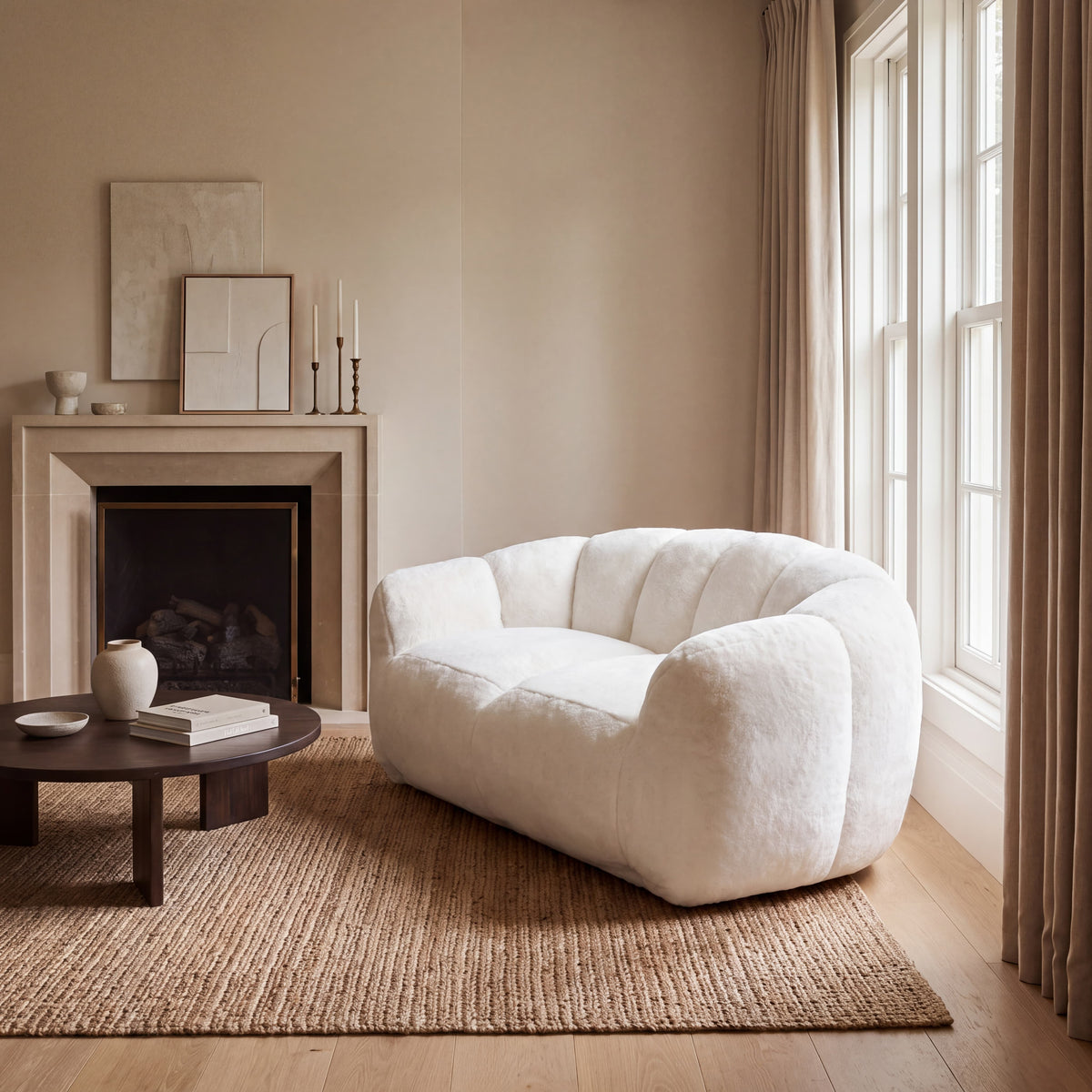
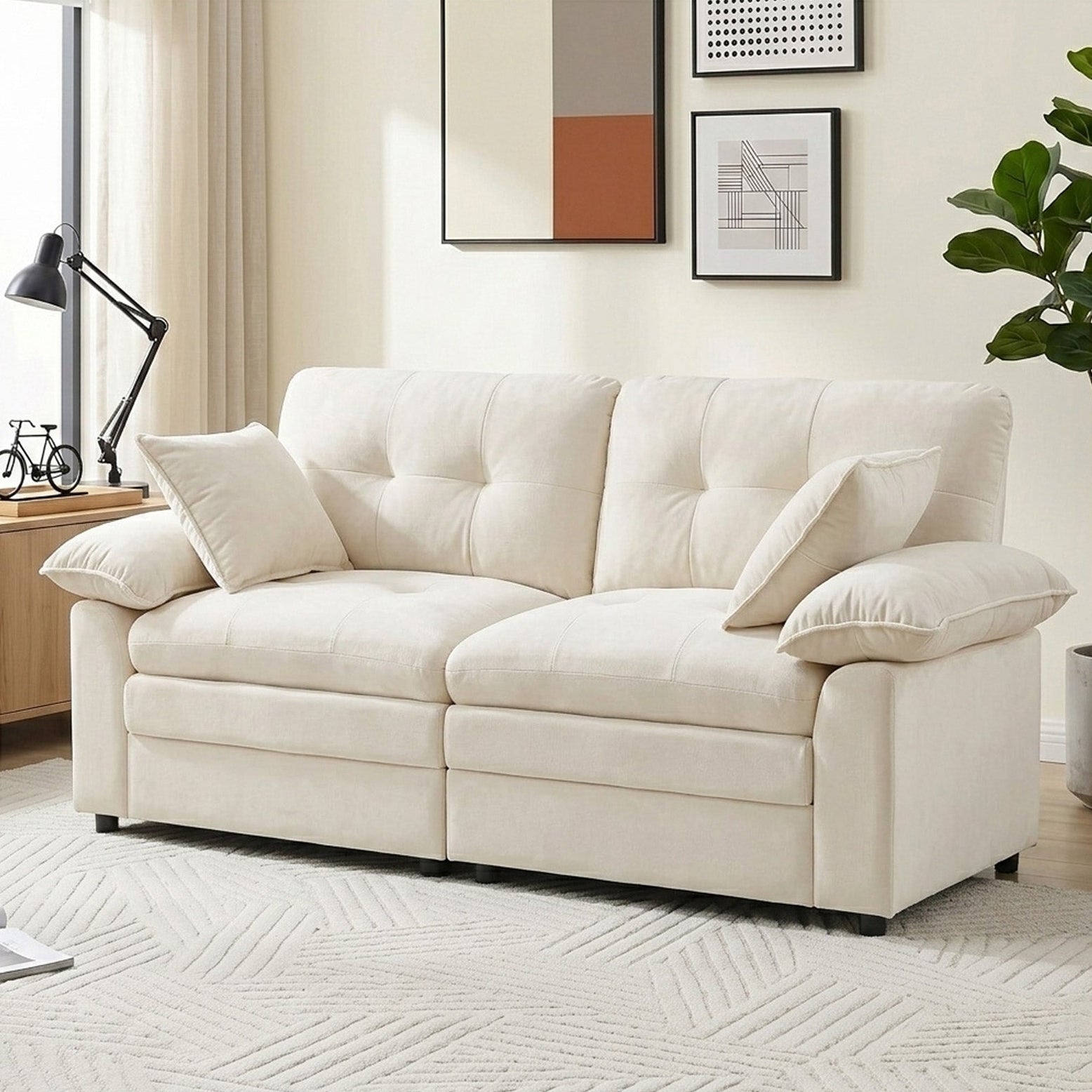
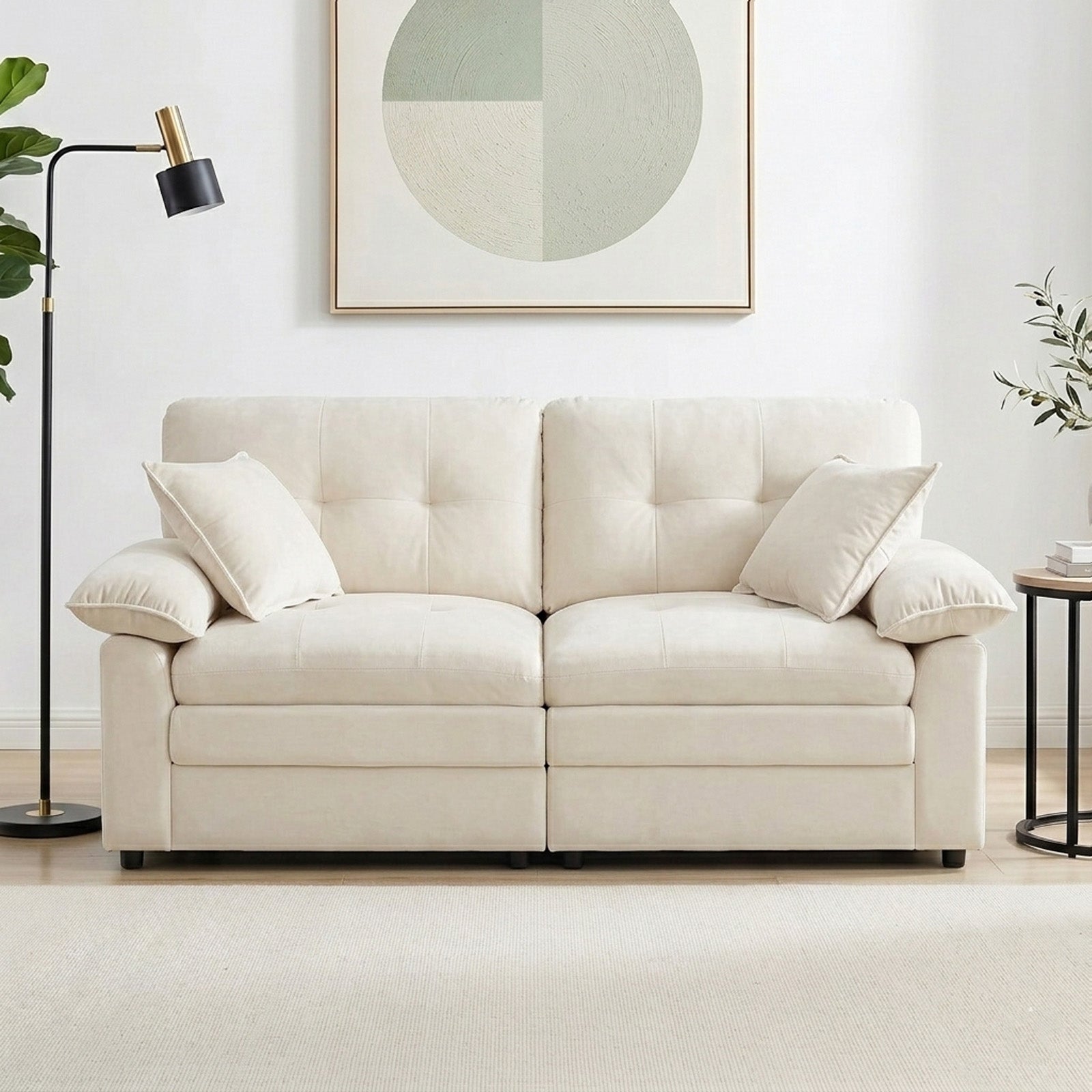
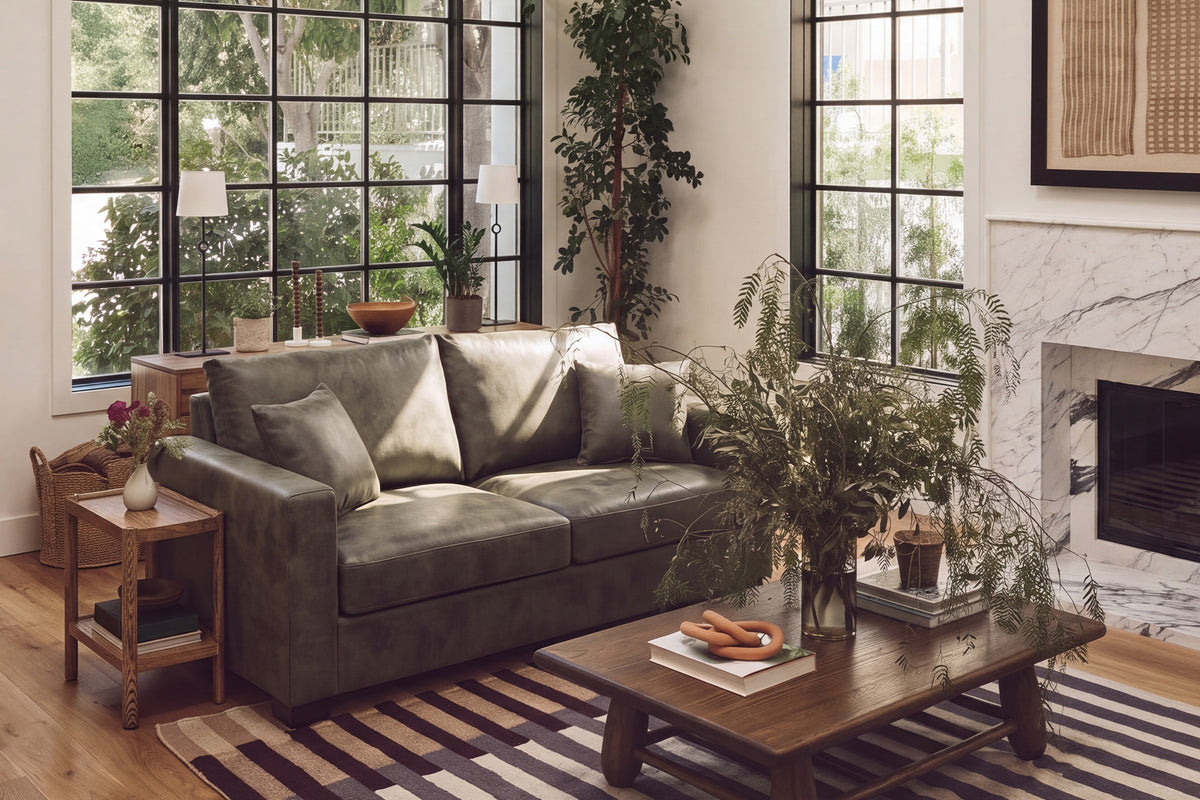
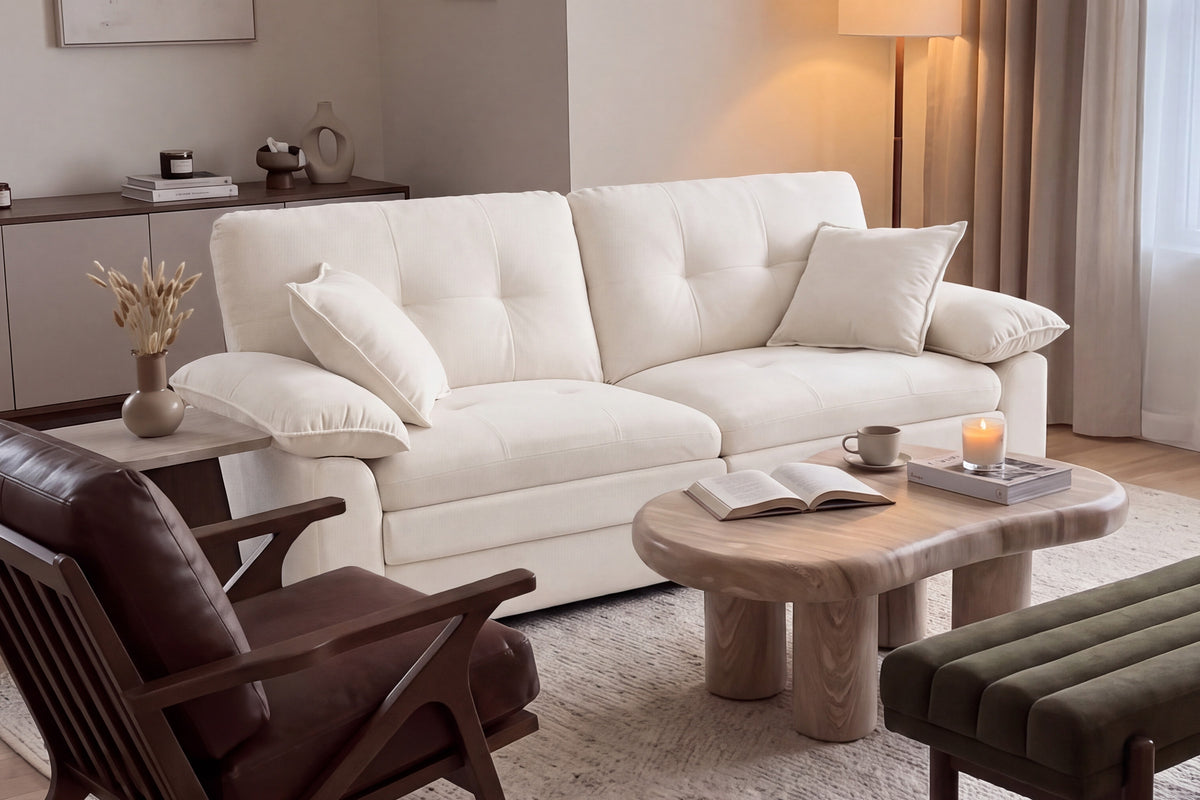
This is the point where abstract advice needs to become a real pick. All three Chairus options can work in smaller homes, but they solve different problems. The best choice depends on whether your priority is balanced scale, plush depth, or ultra-casual comfort. (chairus.com)