Find the Right Kitchen Stool Balance for Comfort and Daily Use
A kitchen stool can look perfect online and still become the seat everyone avoids by day three. Usually, the problem is not style alone. It is the mix of seat height, cushion support, back shape, and how easily the stool moves around a busy island. If the seat is too firm, too shallow, or awkward to get into, quick breakfasts turn into constant shifting and family chats end sooner than they should.
Plush cushioned swivel stools solve that problem only when comfort and stability work together. In this kitchen stool brand guide, you will sort through the features that actually affect daily use, compare fixed and swivel layouts, and see where Chairus models fit different kitchen setups. By the end, you should be able to narrow down comfortable kitchen island stools by room size, routine, and maintenance needs rather than guessing from photos.
What makes a kitchen stool feel comfortable every day?
A stool feels comfortable when your body does not have to keep correcting for bad support. That sounds simple, but everyday comfort bar stools depend on several small details working together. Seat padding matters, of course, yet back shape, footrest height, and how easily you can get in and out matter just as much.
Comfort features that matter first
When you compare upholstered counter stools, start with the parts your body notices in the first five minutes and the first forty-five minutes.
- Seat depth and padding: A plush seat should feel supportive, not marshmallow-soft. Too much sink makes it harder to sit upright.
- Back support: Even a low or open back can reduce fatigue if it supports your lower and mid back.
- Footrest position: A well-placed footrest keeps your knees and hips more relaxed.
- Seat edge shape: Softer front edges tend to feel better during longer sitting.
How swivel changes daily kitchen use
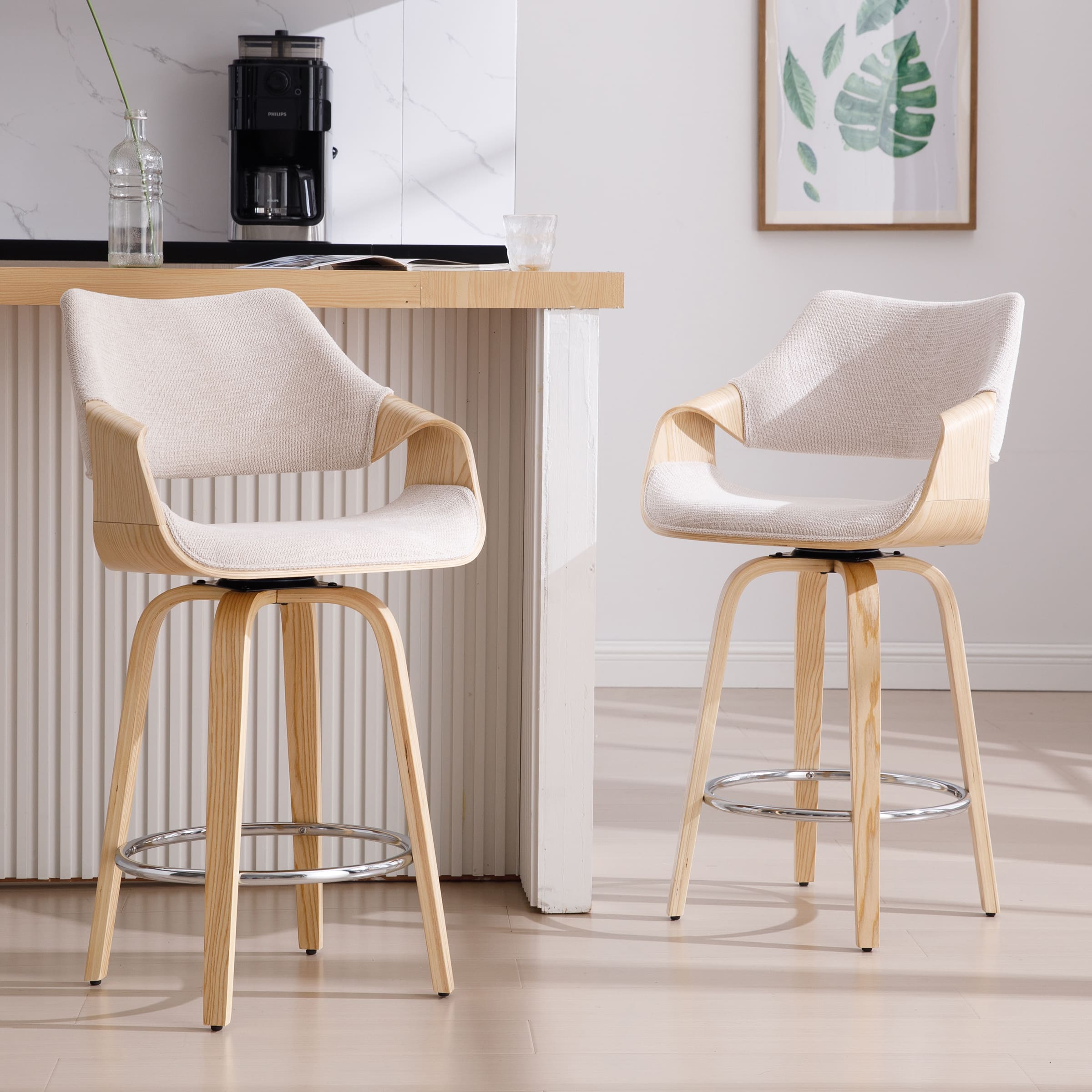
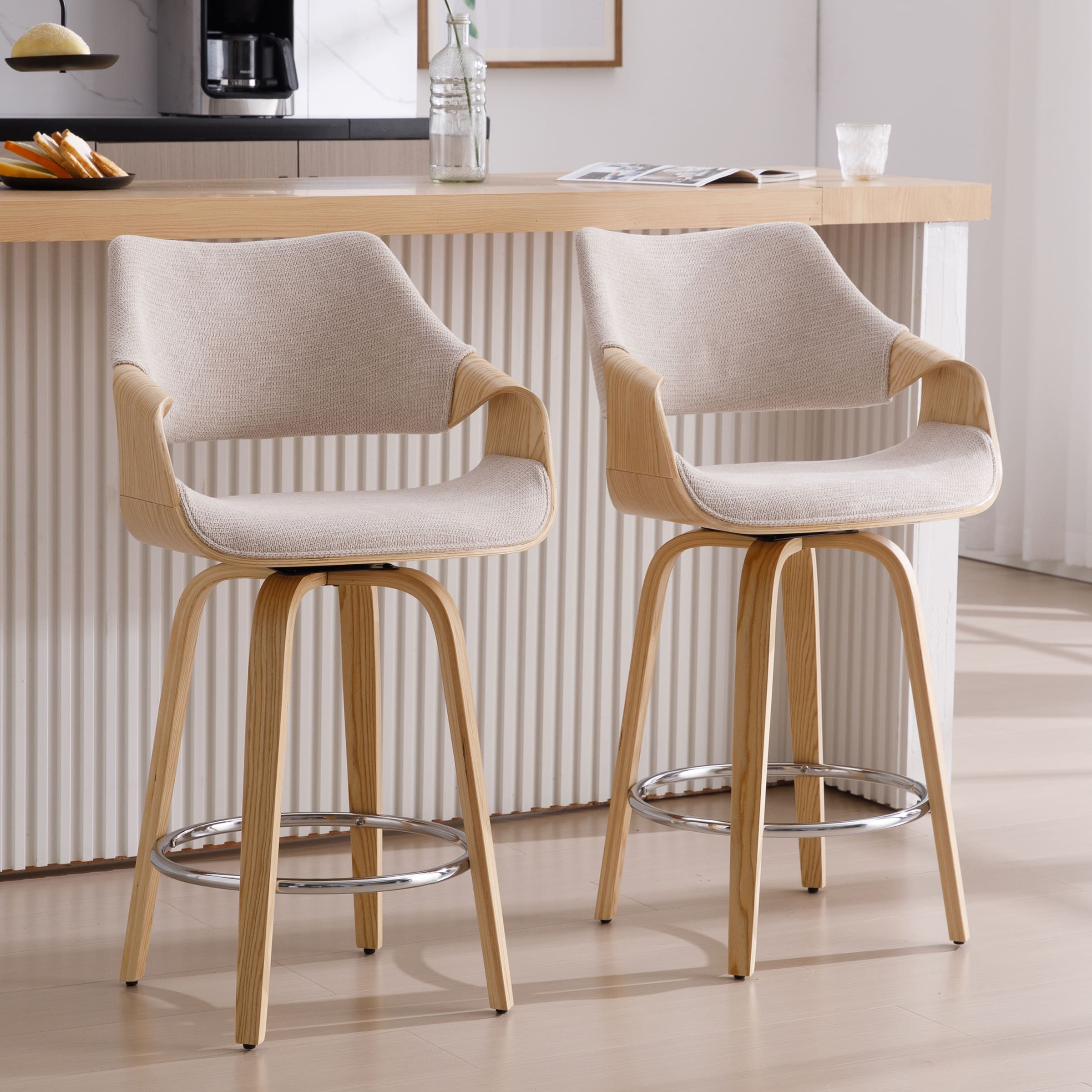
Smooth swivel kitchen stools are not just about novelty. They change how people move around an island. Instead of pushing the stool back with your legs and scraping the floor, you can turn in or out with less effort. That is especially useful in tighter walkways, family kitchens, and open-plan spaces where people keep crossing paths.
A swivel also changes the social feel of the room. You can rotate toward the cooktop, the sink, or the conversation area without dragging the base. That is why sturdy swivel counter stools often feel more natural in multipurpose kitchens than fixed seats. Still, the swivel only helps if the base feels planted and the turn is controlled rather than loose or wobbly.
Main stool types worth separating
You will make better choices faster if you separate stools into three practical categories instead of mixing every style together.
Fixed stools
Fixed stools are simple and predictable. They are often a good fit when you want a neat row, less movement, and a lower-risk choice for narrow layouts.
Swivel stools
Swivel stools suit kitchens with frequent entry and exit. They are especially useful around islands where several people sit, turn, and get up often.
Upholstered stools
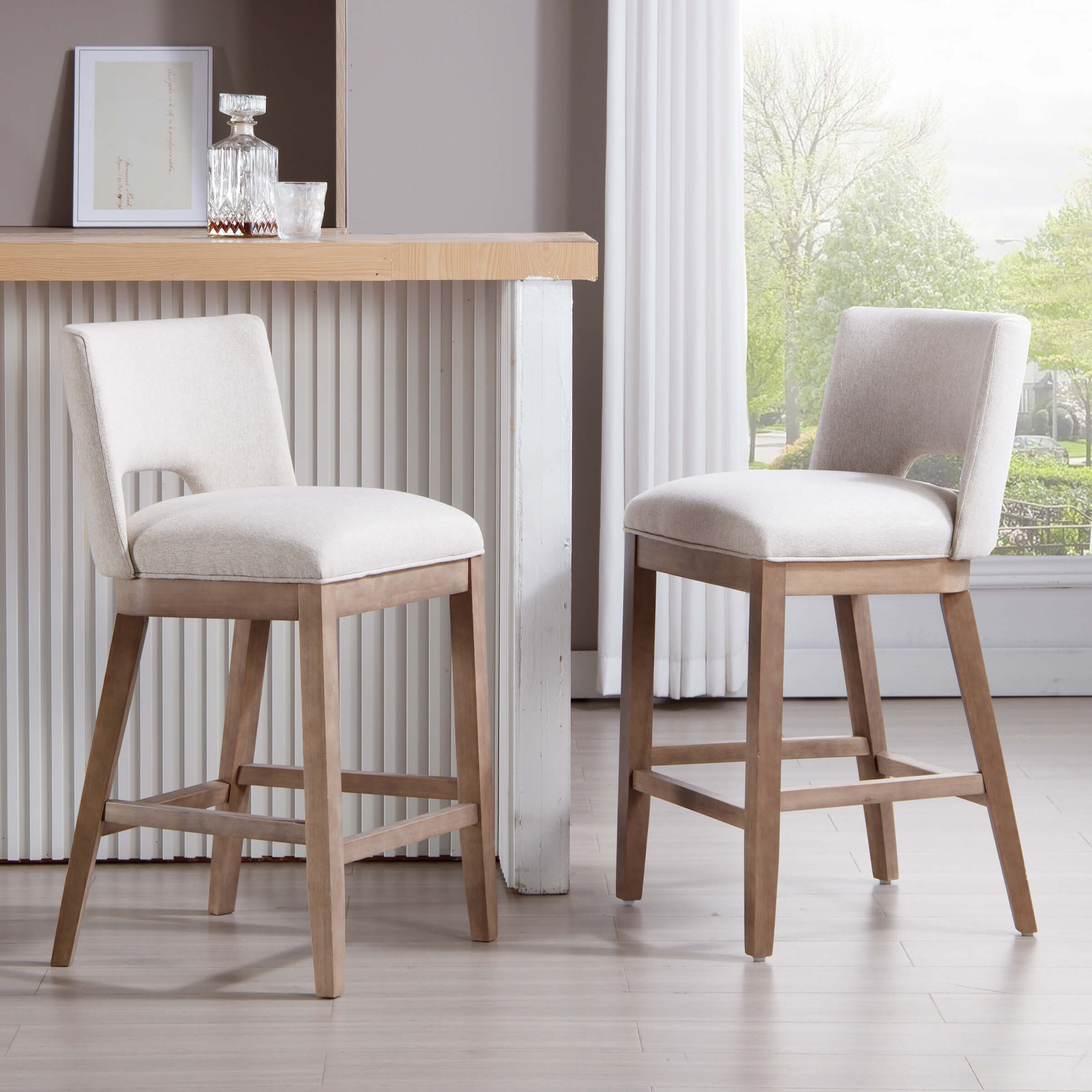
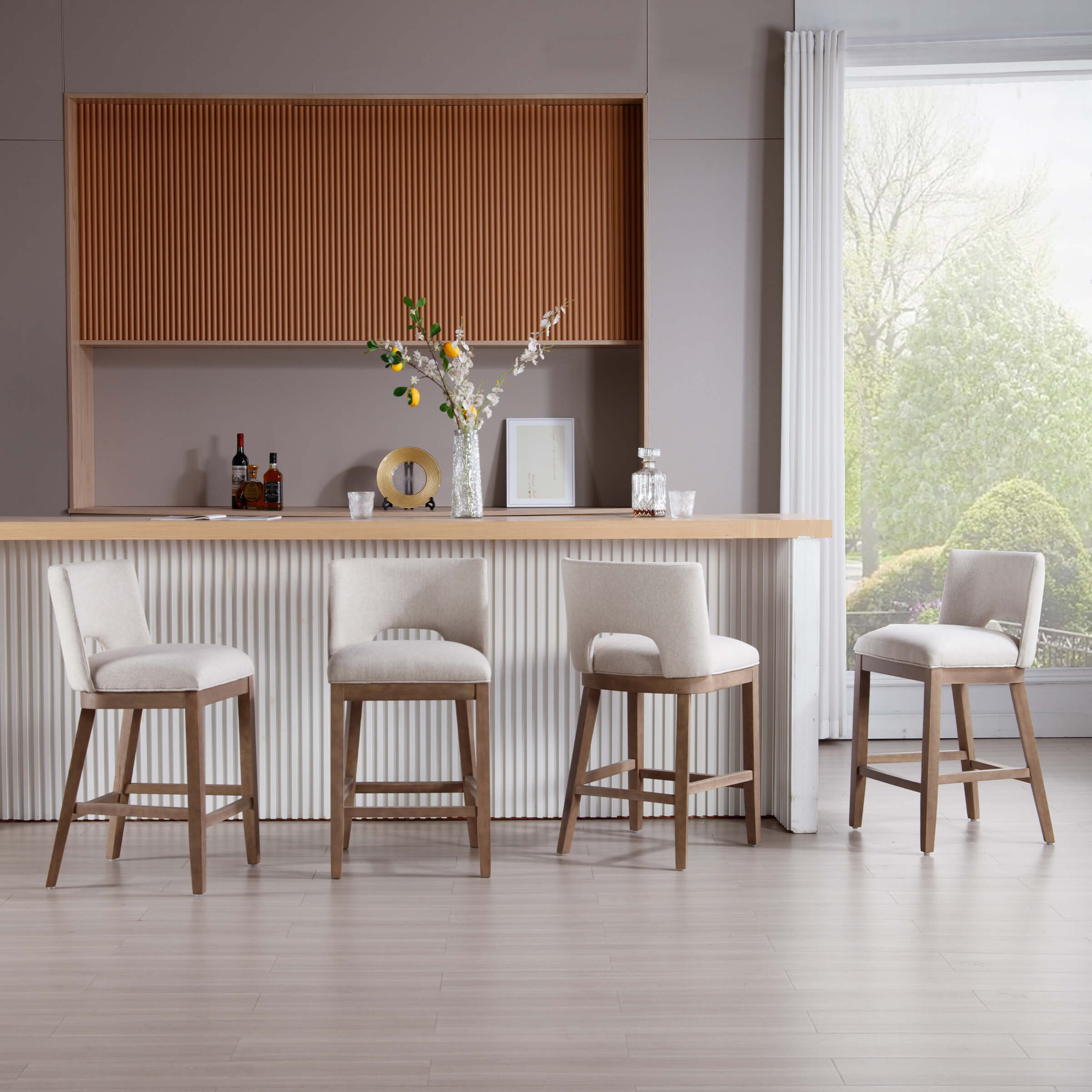
Upholstered counter stools soften the experience more than wood or metal-only seats. They are usually the better match for longer sitting, but you need to balance softness with cleanup effort.
How do you choose a stool that swivels smoothly and stays sturdy?
A comfortable stool can still disappoint if it rocks, rubs the floor, or sits at the wrong height. The best way to filter options is to check the frame, fit, and finish in that order. That keeps you from being distracted by fabric color before the fundamentals are right.
Check the frame before fabric
The frame determines whether a stool feels grounded after six months of daily use. Look for clear information on materials, capacity, and basic dimensions.
- Frame material: Solid wood or engineered solid wood can both work when the structure is well built.
- Joinery and reinforcement: Balanced legs and a sturdy footrest area help reduce wobble.
- Weight capacity: A listed capacity is a useful signal that the product specs are clearly defined.
- Overall weight: Heavier stools often feel more planted, though shape still matters.
Match seat height to counter height
Height mismatch is one of the fastest ways to ruin comfort. If the stool is too low, you hunch. If it is too high, your legs feel trapped. A practical rule is to match the seat to the actual counter height, not to what the listing calls it.
- Counter-height stools: Best for counters around 34 to 36 inches, with seat heights around 24 to 26 inches.
- Bar-height stools: Best for taller surfaces, usually around 40 to 42 inches, with seat heights around 28 to 30 inches.
- Clearance: Aim for enough knee space under the overhang and enough side space for turning.
According to Barstool Comforts, 24 to 26-inch counter-height stools are the right fit for 34 to 36-inch counters. That aligns well with many Chairus 26-inch counter models aimed at kitchen islands rather than taller home bars. (barstoolcomforts.com)
Look for practical everyday finishes
The seat surface affects how the stool lives in your kitchen after the first week. Family kitchens usually need a better cleanup plan than staged photos suggest.
Best low-fuss options
- PU or faux leather: Easier to wipe after spills and snack crumbs.
- Darker or textured finishes: Better at hiding light daily marks.
- Protective foot pads: Helpful on tile, wood, and other hard floors.
Softer but higher-maintenance options
- Chenille or boucle-style fabrics: Warmer and cozier visually, but they usually need more careful spot cleaning.
- Light upholstery colors: Bright and airy, yet more likely to show wear from frequent contact.
Hard-floor kitchens also benefit from stool feet that reduce scraping and sliding. OSHA notes that spills and slippery walking surfaces increase slip and fall hazards, which is one reason floor-friendly pads and stable placement matter in busy movement zones. (osha.gov)
Style vs maintenance
The prettiest finish is not always the right daily-use finish. A stool near a prep zone deals with coffee splashes, oil on hands, denim transfer, and constant touch.
| Factor | Better For Comfort Feel | Better For Easy Cleanup |
|---|---|---|
| Upholstery Texture | Chenille and soft woven fabrics | PU or faux leather surfaces |
| Back Shape | Barrel or curved back designs | Open-back or simpler silhouettes |
| Visual Warmth | Fabric textures and natural wood tones | Smooth, dark, wipeable surfaces |
| Family Use Tolerance | Medium — better for lower-mess spaces | High — easier for daily spills and busy homes |
The right choice depends on whether your kitchen is mostly for short meals or also for homework, hosting, and long evening sitting. In high-use homes, sturdy swivel counter stools with wipeable upholstery often age more gracefully than delicate fabrics.
Where do Chairus products fit in this buying decision?
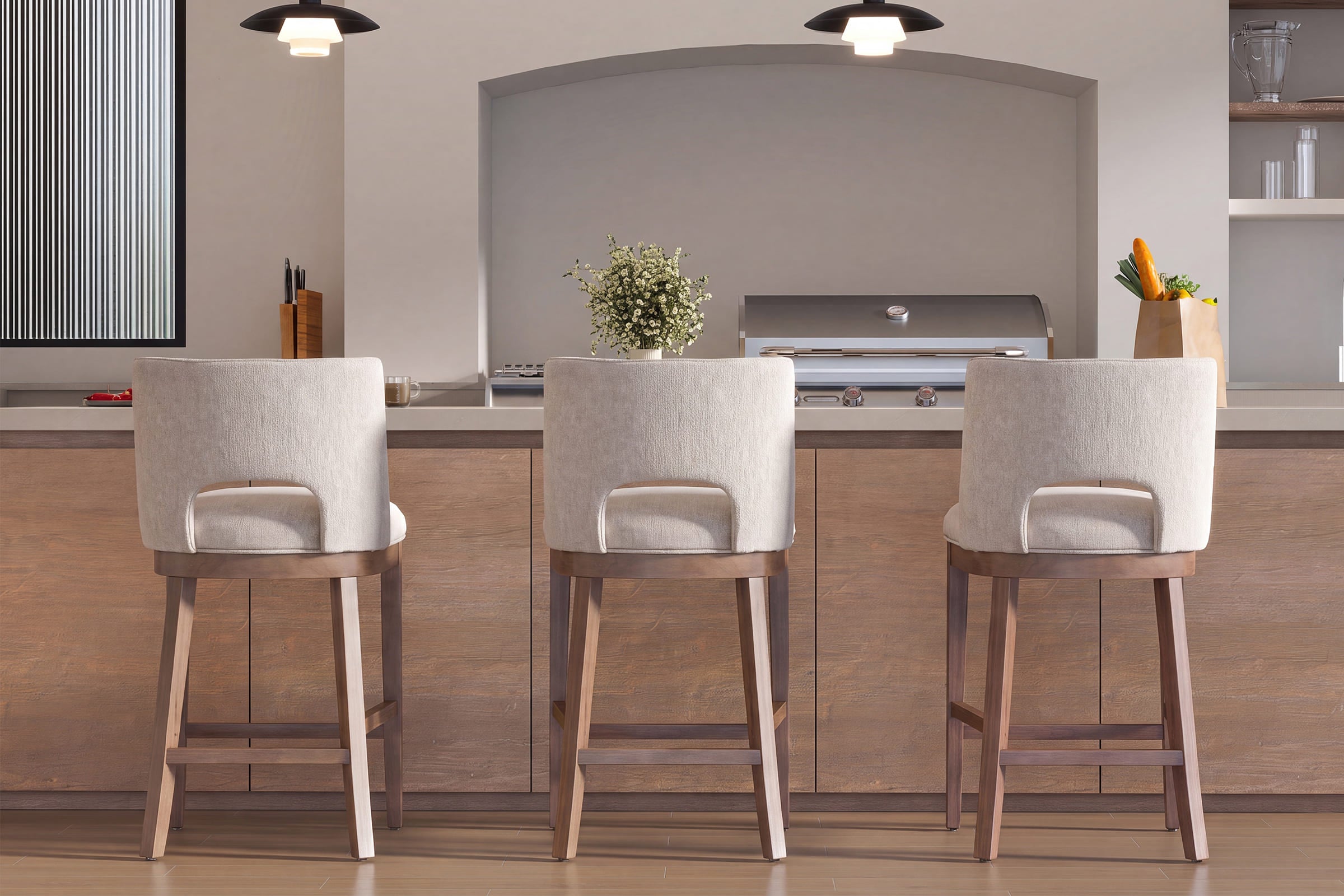
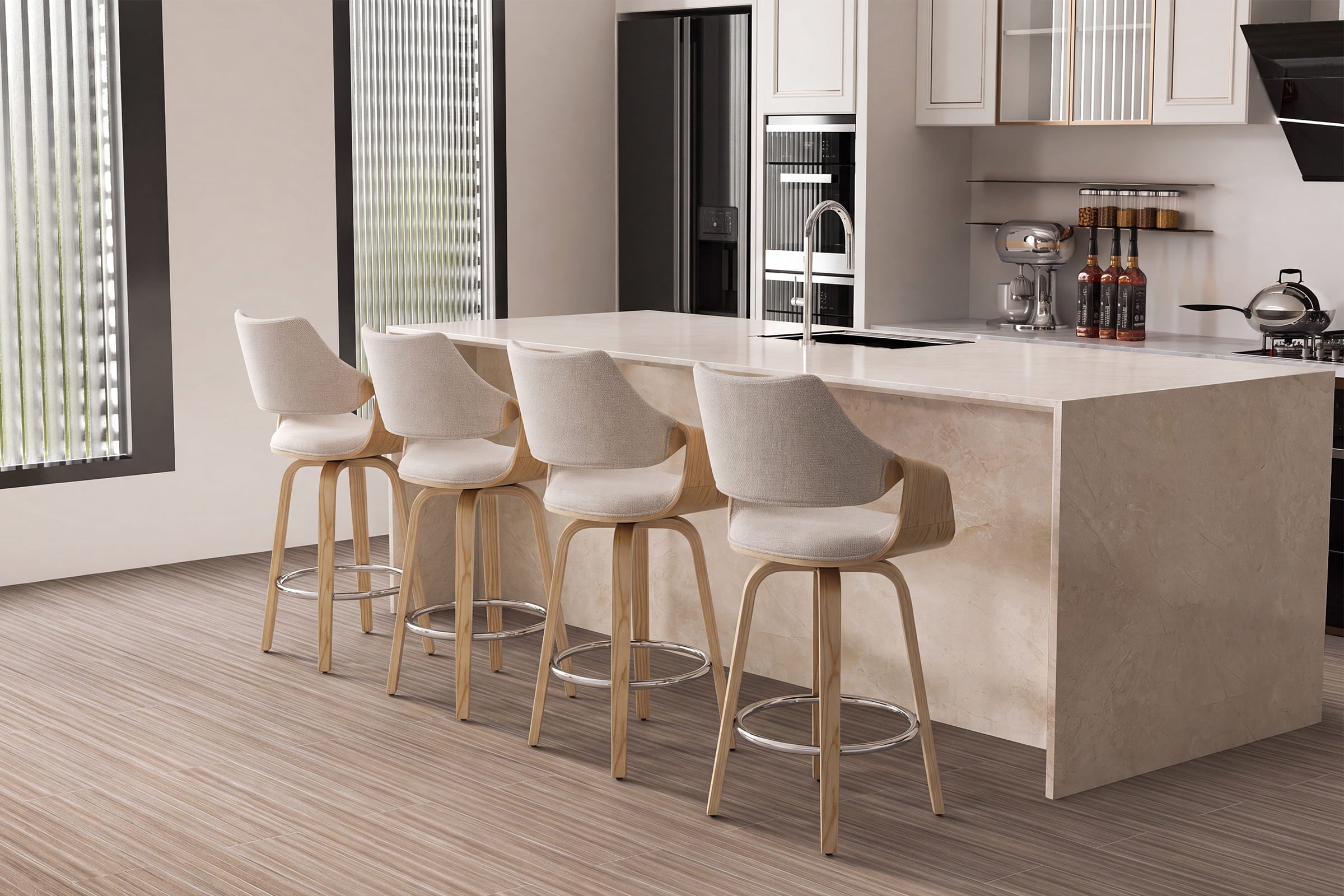
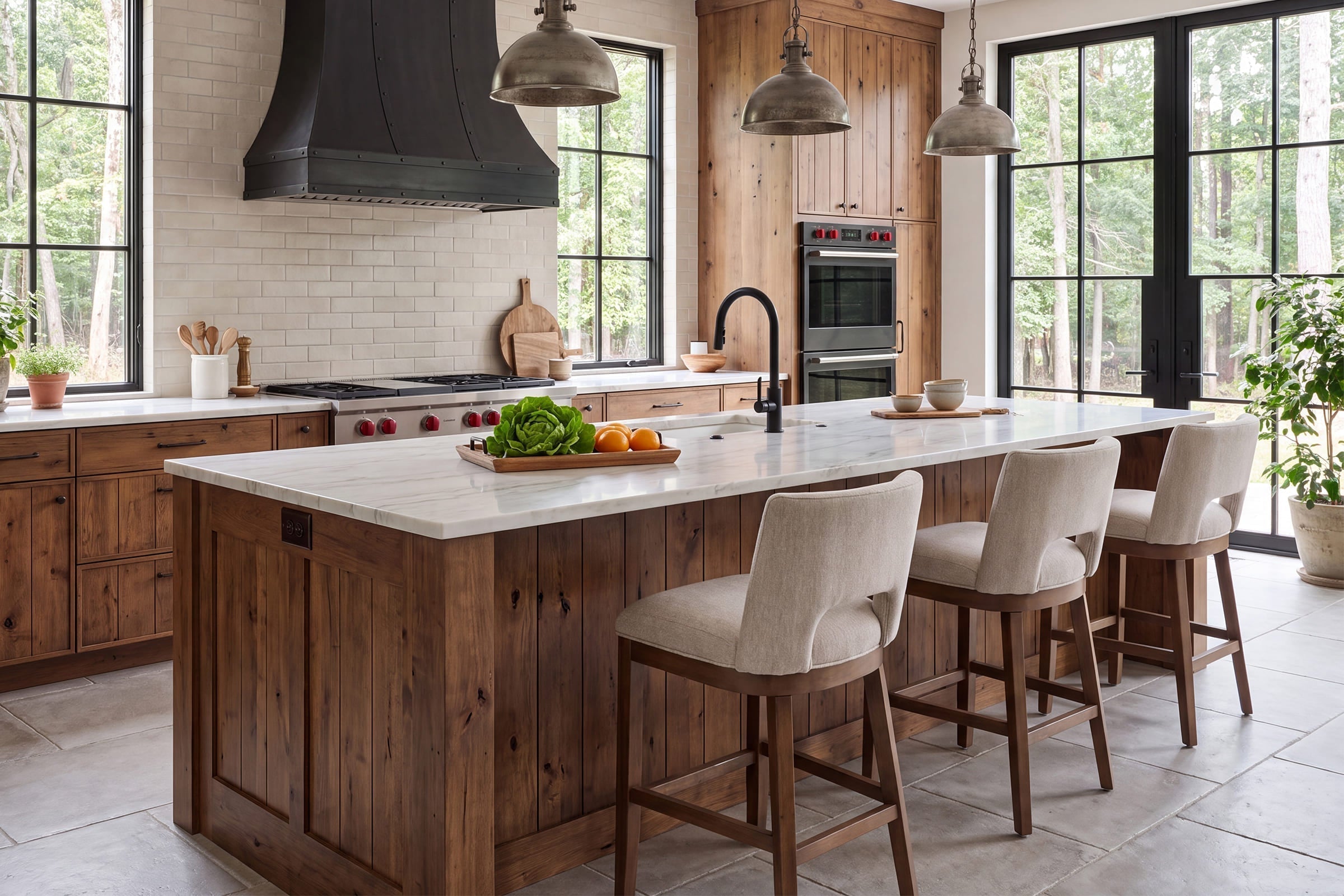
Chairus fits best if you want to compare multiple kitchen-focused silhouettes without leaving the same collection. Instead of offering one look only, the brand covers compact fixed seats, cushioned swivels, backless designs, woven styles, low-back stools, and barrel-back options in the same broad category. That makes it easier to match comfort level to kitchen layout rather than forcing one aesthetic.
Example product angles to feature
Different homes need different stool shapes, even at the same counter height.