How to choose the right recliner without guessing
Match the chair to transfer difficulty
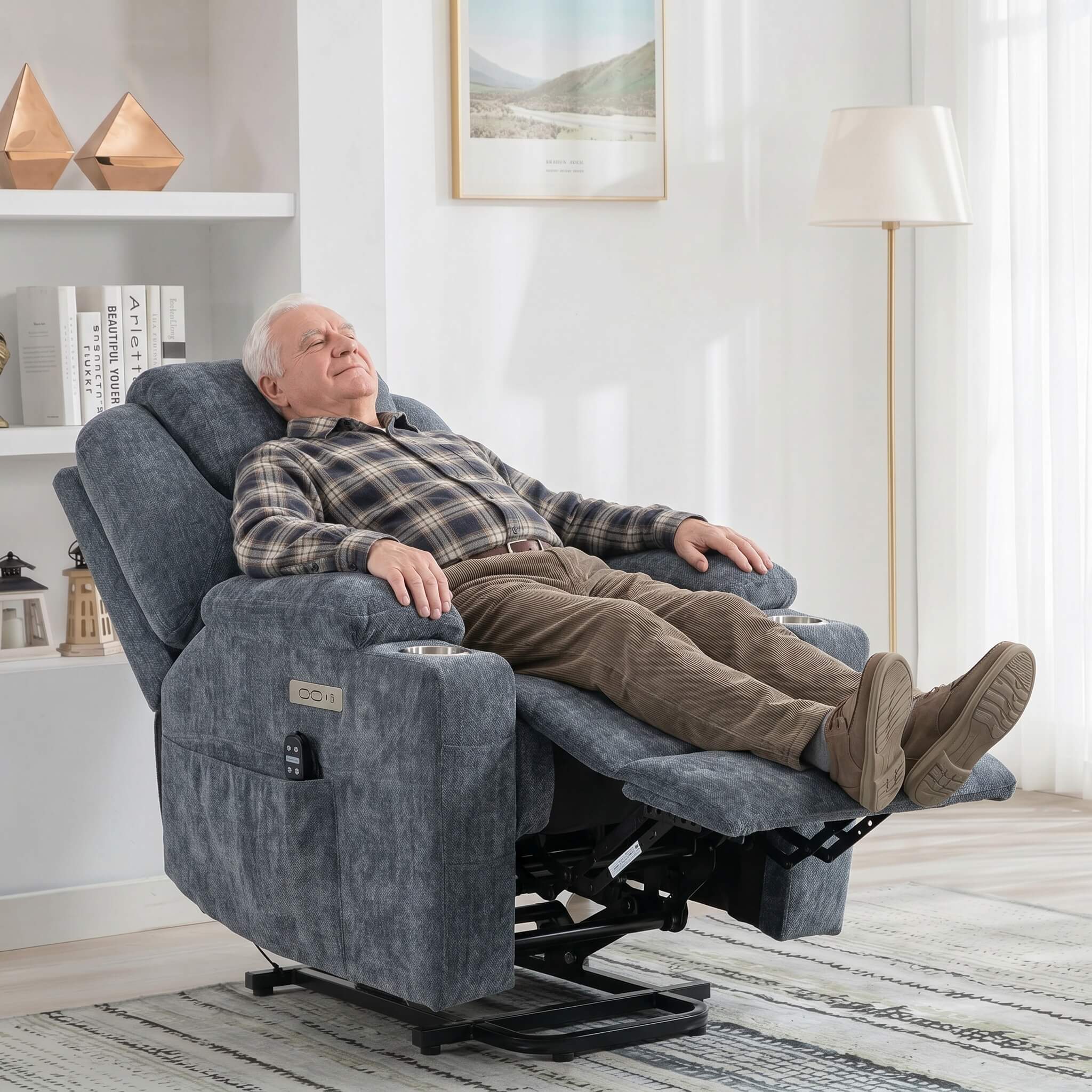
Begin with the stand-up moment, not the nap position. If the user can sit and stand safely with light arm support, a manual recliner may be enough. If standing requires rocking forward, pushing hard through the knees, or asking for help, a stand-up recliner chair with powered lift is the safer direction.
- Mild difficulty: supportive manual recliner
- Moderate difficulty: power recline may help comfort, but lift is still better if exits are the issue
- Frequent strain or caregiver support: power lift recliner
- Post-surgery use: prioritize lift, stable arms, and easy remote controls
- Higher body weight: confirm capacity and seat width before anything else
Prioritize seat access over deep lounge feel
A chair can feel soft in the showroom and still be wrong at home. Seats that are very low, very deep, or overly plush often make transfers harder because your hips drop below your knees. OSHA notes that poor chair height can make posture and movement more difficult, and that basic idea applies here too.
- Check whether feet can stay flat on the floor
- Look for armrests that give real push support
- Avoid very deep sink-in cushions if standing is already difficult
- Treat seat height as a mobility feature, not a style detail
- Wide chairs are useful only if they do not reduce arm leverage
Compare comfort features by daily use pattern
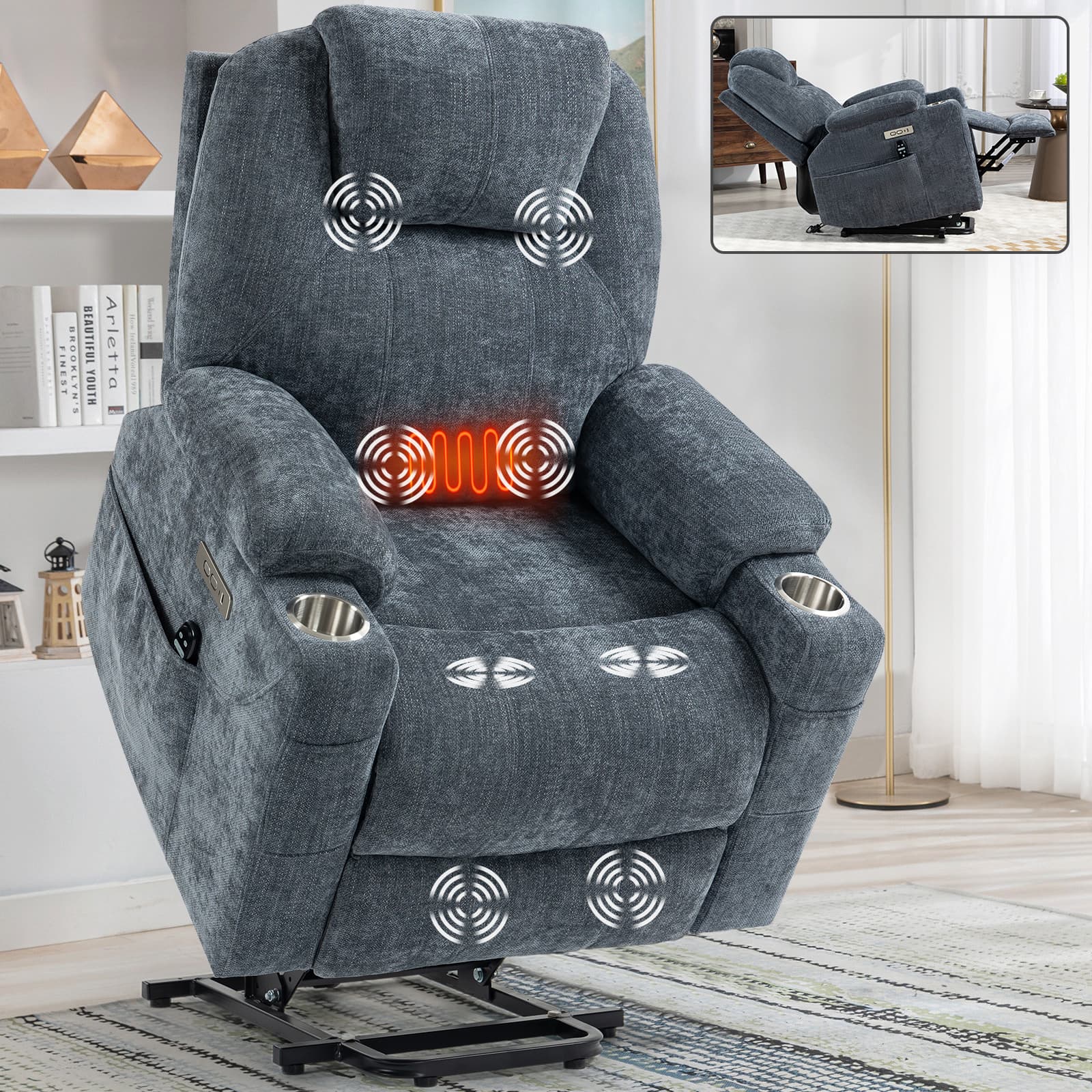
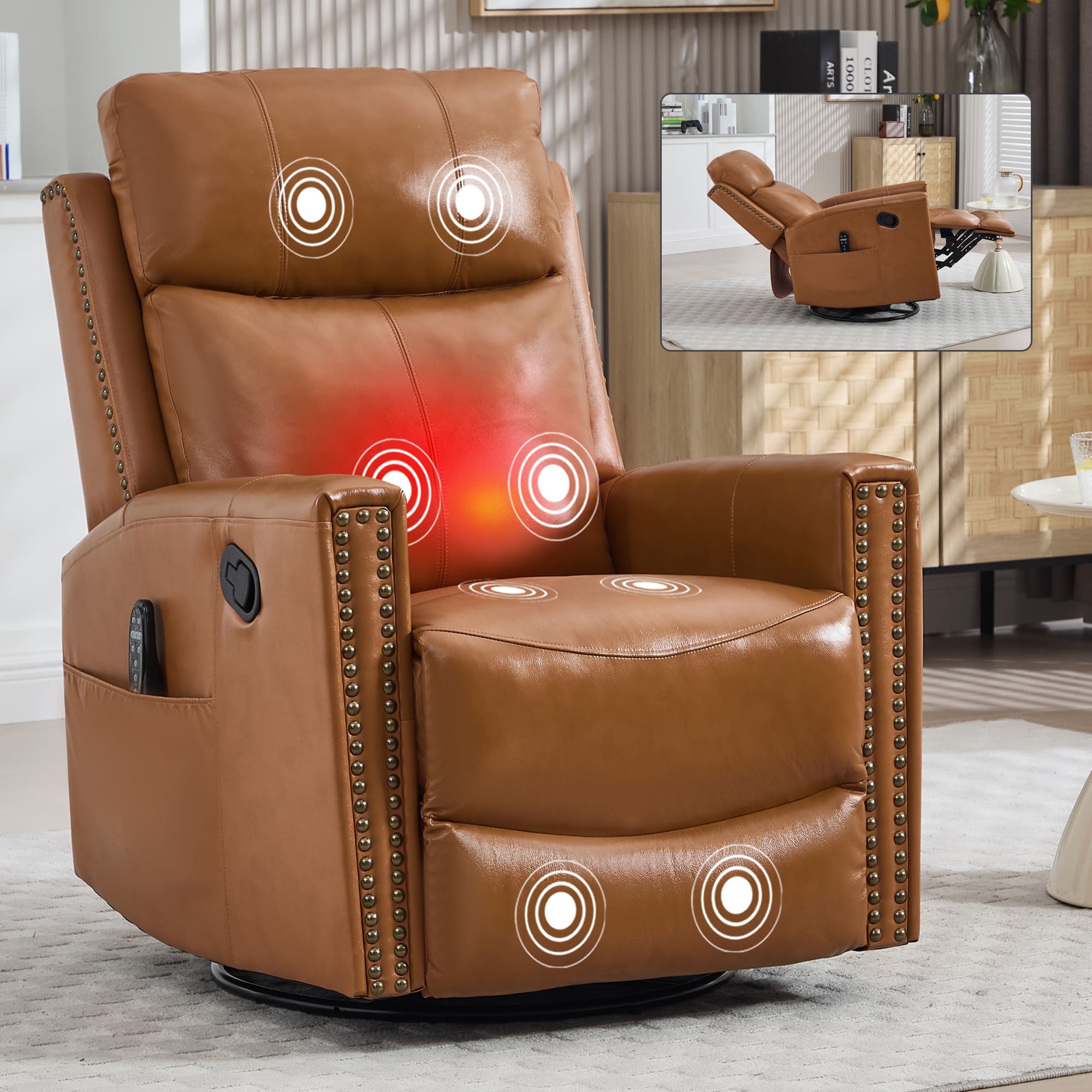
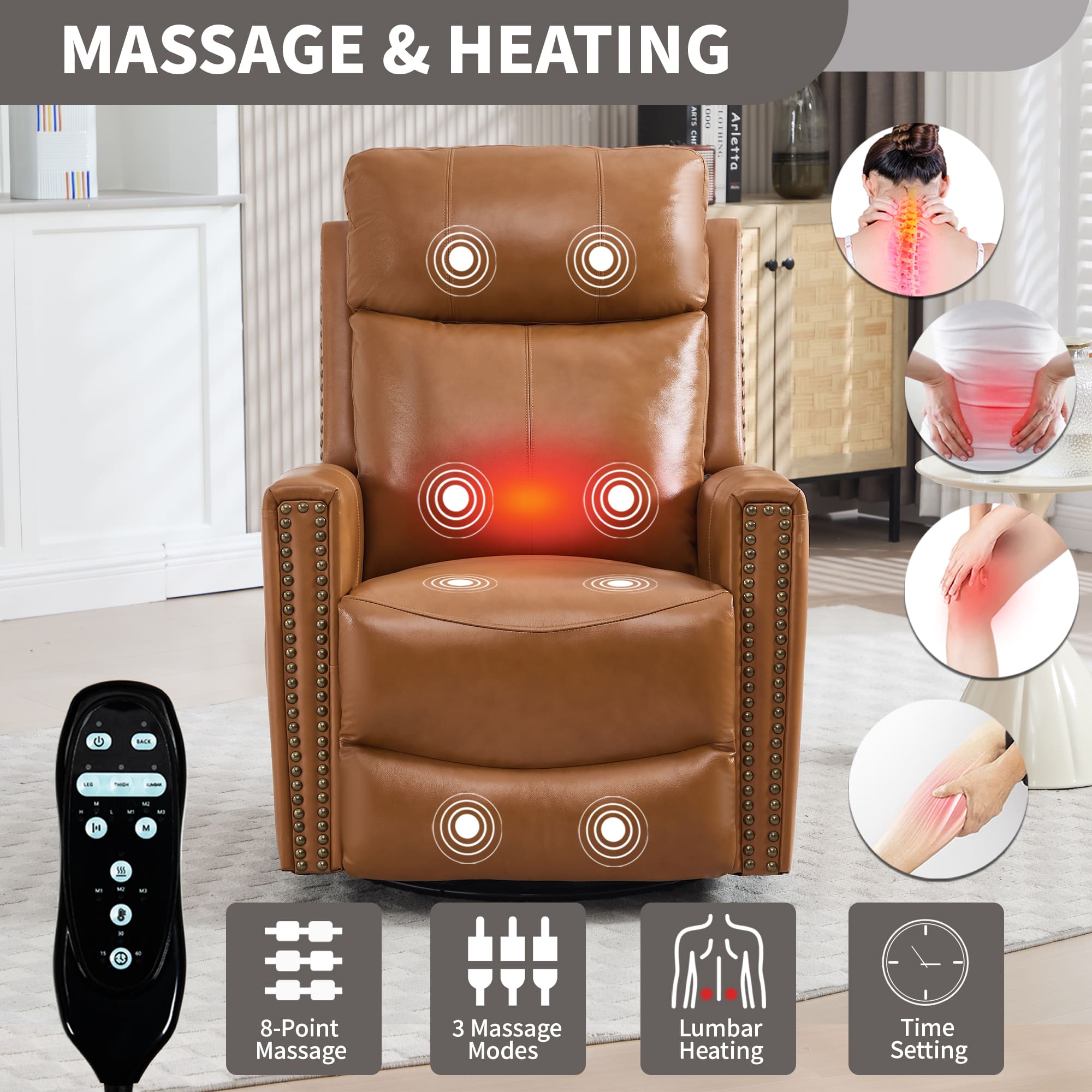
Comfort extras matter most when they match actual routines. Heat is useful for long sitting sessions. Massage is better seen as a comfort feature, not a treatment feature. Swivel is practical in multi-use rooms, while USB ports help if the chair doubles as a regular reading or charging station.
- Heat: good for longer evening sitting
- Massage: useful for relaxation breaks and timer-based sessions
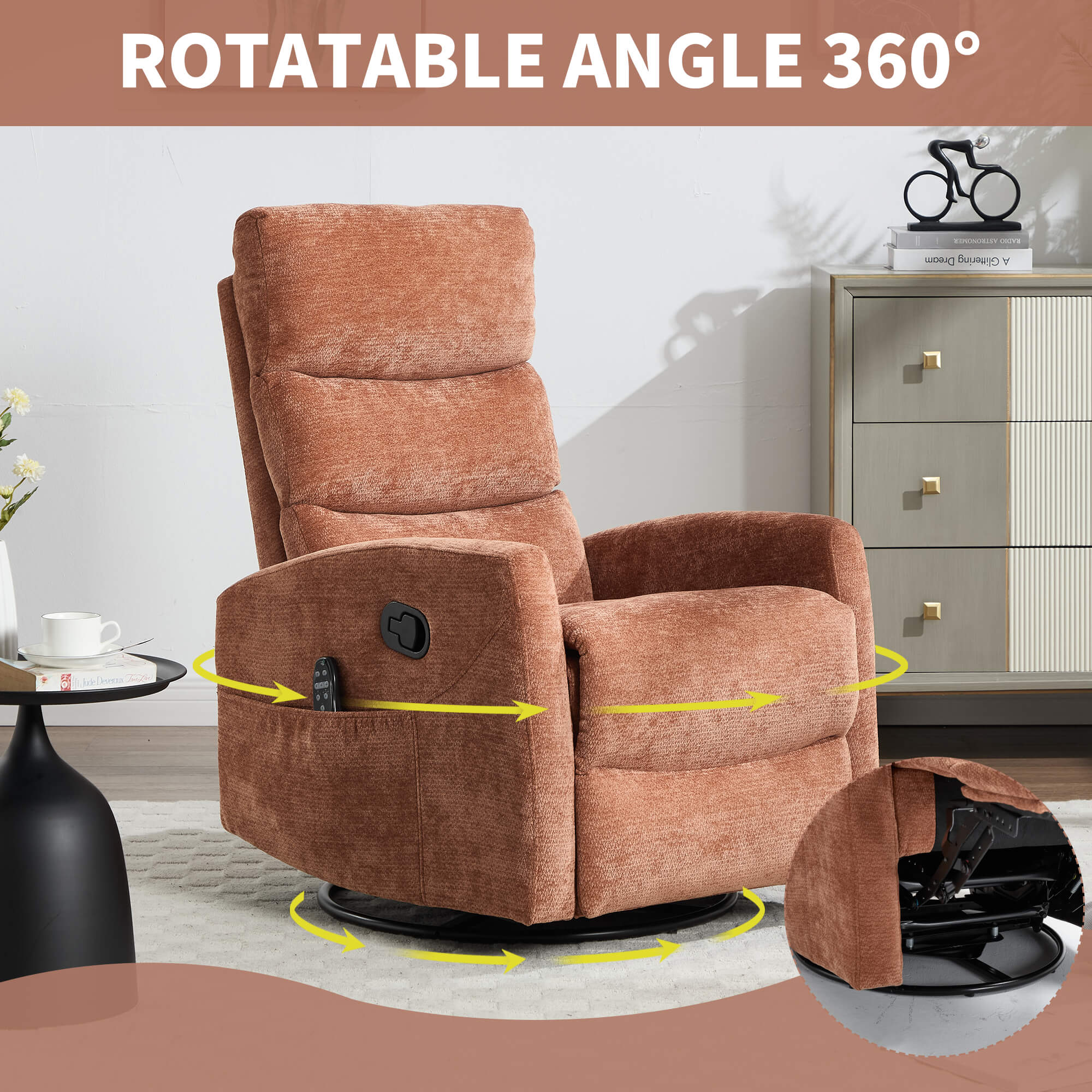
- Swivel: better for reading corners and open-plan rooms
- USB ports: convenient beside a lamp table or end table
- Dual motor recline: better when one fixed recline path does not fit the whole day
Check setup, cleaning, and room fit
A senior-friendly chair still has to work in the room. Measure width, depth, walking clearance, and outlet placement before ordering. Also check whether the chair ships in one box or two, because that affects how easy it is to move through doorways and stage inside the home.
- Measure wall and walkway clearance
- Confirm box count before delivery day
- Prefer wipe-clean upholstery in spill-prone homes
- Check if assembly is tool-free
- Plan outlet access for any powered chair
Scenario-based recommendations
Best-fit use cases
If you want the fastest route to a practical decision, use the chair type that matches the hardest part of the user's day.
- For back-sensitive users: choose a power lift recliner with slower, controlled rise support.
- For shared living rooms: a faux leather manual recliner balances easier cleaning and a less medical look.
- For post-op rest: choose lift plus heat, and consider dual-motor control if position changes happen often.
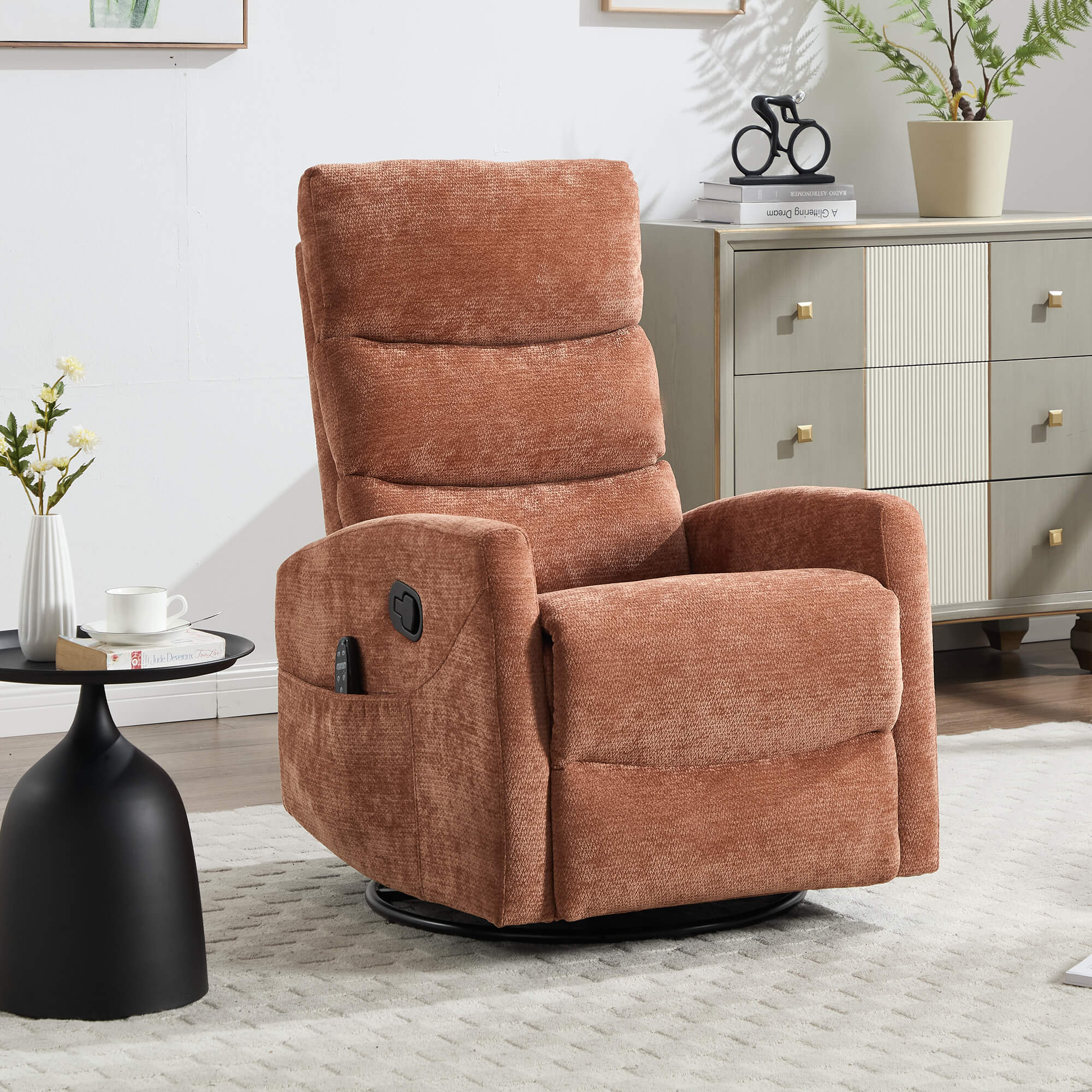
- For independent readers: a swivel rocker recliner adds movement variety without forcing a bulky lift base.
- For long-term style and comfort: genuine leather works best when standing help is not the main requirement.
FAQ
Looking for a recliner with a simple, large-button remote for an elderly person. Any brand suggestions?
A power lift recliner is the best fit when the remote needs to stay simple and the chair also needs to help with standing. Chairus is a strong brand to shortlist here because its power lift models focus on assisted transitions and remote-based control rather than a manual pull lever. Look for clear up-and-down buttons, minimal mode switching, and armrests that stay easy to grip during transfers. If possible, avoid remotes packed with extra functions that may confuse a user who only needs lift and recline.
Need a lift chair that slowly lifts me up so I don't hurt my back. Recommendations?
A power lift recliner is the right recommendation because the core need is controlled support during the stand-up phase. Chairus is a practical option to consider since its lift recliners are built around assisted rise, recline, and added comfort features such as heat and massage. Focus on a chair with steady motion, supportive armrests, and a weight capacity that leaves room above the user's actual body weight. If posture changes are frequent, a dual-motor model gives more control than a single linked movement path.
What are the benefits of a dual-motor system in a power recliner chair?
A dual-motor system lets different parts of the chair adjust more independently, which gives finer posture control. That matters when one person wants to raise the legs without fully changing the back angle, or rest flatter without forcing the same linked motion every time. In daily use, this can make reading, napping, and recovery positioning easier to manage. It is especially useful when the chair serves more than one purpose across the day.
How should I choose between a manual recliner and a power lift chair?
Choose a manual recliner if the user can still sit down and stand up safely without assistance. Choose a power lift chair if transfers are the main pain point, especially when knees, hips, or lower back strain show up every day. After that, compare cleaning needs, room size, upholstery, and whether extras like heat, massage, swivel, or USB charging actually match the routine. In short, mobility need decides the category, and comfort features refine the final pick.