
Which dining chair fabric actually works for your home?
Choosing dining chair fabric feels simple until you live with the wrong one. A pretty textured seat can start trapping crumbs after one week of family dinners. A soft fabric that felt perfect in the showroom can become stressful when juice spills, pet hair, or greasy fingerprints show up every day. That is why a real dining chair fabric guide has to start with your routine, not just color or trend.
If you want to know how to choose dining chair fabric without regret, focus on three things first: how messy your dining space gets, how often the chairs are used, and how much upkeep you will actually tolerate. From there, you can narrow the best fabric for dining chairs by comfort, style, and chair construction. Chairus, a chair-focused marketplace founded in 2014, is useful here because its dining chair lineup includes PU leather, linen, velvet, and mixed-upholstery options across many silhouettes. Shop: The Ultimate Guide to Choosing the Right Dining Chair Fabric
Shop: The Ultimate Guide to Choosing the Right Dining Chair Fabric
Start with the fabric categories that shape performance
A good dining chair fabric guide begins with one principle: performance matters more than labels alone. In practice, the best fabric for dining chairs depends on stain resistance, texture, airflow, and how easily the surface releases crumbs, fur, and everyday dirt. Reference guides from Barstool Comforts and CHITA Living both frame the decision around durability, maintenance, comfort, and intended use, which is the right order for dining spaces rather than treating fabric as a style choice only.
- Natural fabrics usually feel softer and more breathable.
- Synthetic fabrics usually handle spills and wear more easily.
- Blended fabrics often split the difference.
- Chair design still matters because seams, tufting, and cushion shape affect cleaning.
Natural fabrics: softer feel, more upkeep
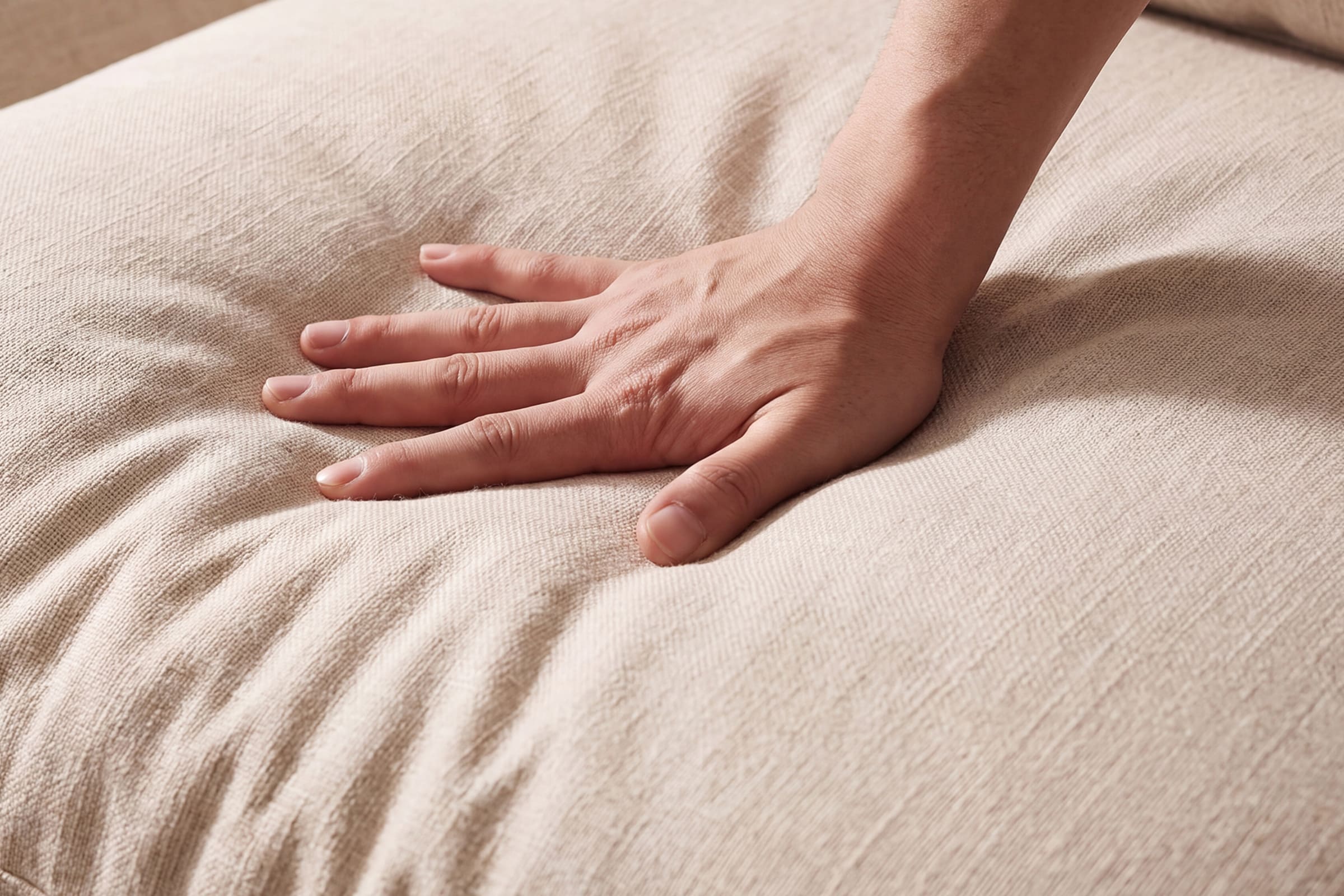
Natural fabrics such as linen usually feel airy and relaxed, which is why they work well in dining rooms where comfort and texture matter more than speed-cleaning. They tend to look warm, classic, and less shiny than wipeable surfaces. That makes them a strong fit for farmhouse, coastal, and casual traditional rooms, especially when the space is used for slower meals or entertaining rather than constant snack traffic.
What this means for you is simple. If your home is calmer and spills are occasional, linen-style dining chair upholstery for kids may still work if you are comfortable spot-cleaning quickly and vacuuming more often. The tradeoff is that woven surfaces can hold crumbs more easily than smoother materials, and repeated wet cleaning can be harder on the padding if moisture sits too long. According to OSHA, moisture control is the key to mold prevention, which is one reason overwetting upholstered furniture is a bad cleaning habit.
Synthetic fabrics: practical for busy homes
Synthetic or coated surfaces are often the easiest answer when you need easy-to-clean dining chair fabric. PU leather is the clearest example in this category for everyday buyers because it gives you a smoother surface that usually wipes faster after spills, sticky fingers, or sauce splatter. In busy kitchens, that cleanup speed often matters more than whether the seat has a softer woven hand feel.
This is also where PU leather vs linen dining chairs becomes a real-life decision instead of a design debate. PU leather usually wins when your top priority is mess control, frequent use, or family dining. Linen usually wins when your room is lower mess and you care more about breathable comfort and texture.
Blended fabrics: the middle ground when priorities conflict
Some homes need a compromise. Maybe you want a softer seat than PU leather, but you also know your dining chairs will get used for homework, coffee breaks, and extra guest seating. That is where blended or performance-oriented upholstery can help. The label itself does not guarantee better performance, but a tighter weave and smoother finish can make a chair easier to live with than a highly textured fabric.
When you compare options, look beyond the headline material. Check whether the weave is open or tight, whether the seat has deep tufting, and whether the backrest shape creates crevices that catch dust. Long-term satisfaction often comes from these smaller details. Barstool Comforts also notes that durability and maintenance should lead the decision, with comfort and budget following behind that core choice. That ordering makes sense for any how to choose dining chair fabric decision.
How the references frame fabric choice
The most useful takeaway from the reference articles is that fabric should match the job. CHITA Living frames upholstery around primary use, while Barstool Comforts emphasizes durability, maintenance, comfort, style, and budget. Put together, that creates a practical filter you can actually use while shopping.
- First ask how often the chair will be used.
- Next ask what kind of mess it will face.
- Then compare comfort and appearance.
- Finally check whether maintenance demands match your habits.
How should you match fabric to your room and routine?
Once you understand the categories, the next step is matching fabric to your actual dining pattern. This is where many buyers get it wrong. They choose a material based on showroom appearance, then discover the room functions more like a family drop zone than a formal dining space. If you want the best fabric for dining chairs, match the upholstery to real friction, not idealized use.
For homes with kids and frequent spills
If your table sees juice, pasta sauce, yogurt, markers, or everyday snack traffic, prioritize easy-to-clean dining chair fabric first. In that setting, smoother and wipeable upholstery usually beats textured fabric because it reduces cleanup time after each meal. PU leather is often the safest direction for dining chair upholstery for kids because the surface is less likely to trap crumbs in the weave.
What to check:
- Smooth seat and back panels
- Minimal tufting or decorative channels
- Tighter seams around seat edges
- Stable frame that will not loosen quickly with constant use
The goal is not just stain resistance. You also want a chair shape that does not create cleaning dead zones around piping, buttons, or deep curves. If your household cleans in a hurry, simpler construction often performs better than a fancy surface treatment.
For pet households with repeat abrasion
Pet-friendly dining chair fabric is not only about stain cleanup. It is also about claw exposure, fur cling, and how visible everyday wear becomes over time. In most cases, smooth and tighter surfaces perform better than open weaves because they present fewer loops for claws to catch. Medium or darker colors can also hide low-level wear between cleanings.
Best fit signals:
- Avoid loose woven texture when cats scratch furniture
- Favor tighter upholstery faces that release fur more easily
- Skip plush surfaces if hair buildup will bother you
- Choose chairs with stable bases so pets cannot rock them loose
Chairus product copy for the 5202DC also describes its velvet fabric as scratch-resistant and designed to minimize hair adhesion, which is helpful for lower-friction pet households. Still, even pet-friendly dining chair fabric should be judged by real pet behavior. A calm dog household is different from a cat that actively scratches side panels.
For formal dining rooms used less often
A lower-traffic dining room gives you more freedom to choose texture first. Linen-like upholstery or velvet can bring warmth and softness that feel more elevated during longer dinners, holidays, or hosting. In these rooms, the tradeoff shifts. Cleanup speed still matters, but not as much as tactile comfort and visual finish.
Why it matters:
- Texture reads more clearly in low-chaos rooms
- Breathable woven upholstery can feel better during long meals
- Richer fabrics often create a more layered, styled look
- Maintenance is easier to accept when use is occasional
This is where best fabric for dining chairs may mean the fabric that best supports the room mood, not just the fastest wipe-down. If you entertain often but do not have young kids using the room daily, linen or velvet can make more sense than a highly practical coated finish.
For mixed-use dining and flexible seating
Some homes ask one chair to do three jobs. It may live at the dining table most of the week, then move to a desk, entry corner, or living room when guests arrive. In that case, versatility matters as much as fabric. Medium-maintenance upholstery with an adaptable silhouette often works best, especially in small homes or apartments.
Look for these signals:
- Armless design for easier table clearance
- Moderate seat depth for both dining and occasional work
- Balanced upholstery that is neither too delicate nor too stiff
- Footpads to protect floors during frequent moves
Chairus offers several flexible forms in this category, including armless upholstered styles and compact dining chairs that work beyond the table. That makes fabric choice only one part of the decision. Portability, seat profile, and visual weight matter too.
Chairus fabric directions worth considering
Chairus is relevant in this guide because the brand focuses specifically on chairs and offers a broad dining chair assortment with different upholstery paths rather than a single material story. Its collection includes PU leather, linen, velvet, cane-back, and mixed-format dining chairs, giving you a practical way to compare maintenance and style inside one lineup. The goal is not to claim one universal winner, but to connect room needs to realistic options.
Easy-clean and wipeable paths inside the Chairus lineup
If your main concern is wipe-down speed, start with Chairus PU leather directions. The Modern Upholstered Dining Chairs Set of 2 - 1488DC is one of the clearest examples. Its product page lists soft linen fabric in some versions and easy-wipe PU leather in white, brown, gray, and black, plus a removable linen cover variant for added convenience. It also includes adjustable footpads for floor protection and leveling on uneven surfaces.
That combination is useful for a busy family kitchen because easy cleanup only solves part of the problem. Daily chairs also need stability and practical details. According to Chairus’s own listing, the 1488DC gives you material choice without changing the silhouette, which is exactly what many buyers need when comparing PU leather vs linen dining chairs side by side.
Breathable upholstered options for comfort-first buyers
When comfort and a softer hand feel come first, linen-style upholstery deserves a closer look. The Chairus Mid Century Modern Dining Chairs Set of 2 - 6028 is available in breathable linen or sleek PU leather, making it a useful example of how the same chair can shift personality through material choice. Linen tends to feel less slick and more relaxed, which many people prefer for longer seated meals.
This path works best in calmer homes, breakfast nooks, or dining rooms where the chairs are used regularly but not punished by constant spills. If you like a classic or farmhouse look, breathable upholstery also tends to photograph and layer well with wood tables, woven lighting, and neutral rugs. It is not the easiest dining chair upholstery for kids, but it can be the better comfort choice when mess level stays manageable.
When you want one silhouette with multiple fabric choices
Sometimes the smartest approach is not comparing different chairs. It is comparing the same chair across different upholstery finishes. That removes one variable and lets you decide whether maintenance, texture, or color is your true priority. Chairus has several models where this strategy is practical, including the 1488DC and 7076DC, which appear in different upholstery options.
What to check:
- Does the linen version feel worth the extra upkeep?
- Does the PU version make the chair more useful day to day?
- Does velvet change the room style enough to justify the care?
- Does the frame remain equally stable across variants?
The 7076DC armless design is especially useful for small spaces because Chairus lists it in PU leather and velvet options with floor-protective pads. That lets you keep the same footprint while tuning the chair toward easy cleanup or softer visual texture.
Accent-forward seating for lower-mess spaces
Velvet is usually the style-first branch of this decision tree. It adds softness quickly, catches light in a richer way than flat woven fabric, and can make a dining area feel more polished with very little extra decor. Chairus’s Open-Back Velvet Barrel Dining Chair 1 PCS - 5202DC is a clear example, with a barrel shape, solid wood frame, gold-accented tripod base, and a listed 330-pound weight capacity.
For the right room, that kind of chair works beautifully. But it is still best in lower-friction use cases where you care more about atmosphere than speed-cleaning after every meal. Chairus also states that the 5202DC velvet fabric is stain-resistant, durable to 30,000-plus rubs, and intended for everyday comfort. That makes velvet more practical than some buyers assume, although it still rewards more deliberate care than a wipeable PU surface.
What matters beyond the fabric label?
Fabric name alone does not tell you whether a chair will be satisfying six months from now. The best fabric for dining chairs is always part of a larger system that includes surface construction, seat support, frame stability, and room fit. If two chairs share the same upholstery but one has deep tufting and the other has a smooth seat, they will not behave the same during cleanup.
Cleanability depends on surface and construction
A smooth face usually wipes faster than a textured one, but the shape around that fabric matters too. Crumbs collect in seams, decorative channels, piping folds, and around deep back curves. Removable covers, when available, can also shift a chair from high-stress to manageable for everyday households.
Key specs or signals:
- Smooth faces are easier to wipe than heavily textured upholstery
- Deep tufting traps debris faster
- Removable covers add maintenance flexibility
- Dense stitching can improve edge durability over time
If you are comparing easy-to-clean dining chair fabric, always inspect the full seat architecture, not just the material label.
Comfort comes from more than upholstery
People often assume softer fabric means a more comfortable chair. In reality, back shape, foam feel, seat depth, and seat height do more work. A curved back can support longer meals better than a flat panel, and a well-padded seat with the wrong depth can still feel awkward if it pushes you too far forward.
Chairus’s own comfort-focused dining chair content highlights factors such as back shape, frame type, and floor protection alongside upholstery choice. That is the right way to think about comfort. Fabric changes touch and temperature feel, but posture support usually comes from structure.
Durability is fabric plus frame
A durable fabric on a weak frame still leads to disappointment. For daily dining chairs, wobble resistance, weight capacity, and leg design matter almost as much as the upholstery itself. Chairus product pages repeatedly mention footpads, metal or solid wood frames, and weight capacities around 300 pounds on many models, with some products listing support up to 330 or 350 pounds depending on the chair.
A practical buying checklist:
- Check listed weight capacity
- Look for solid wood or stable metal framing
- Prefer footpads on hard floors
- Make sure the chair suits daily movement, not just appearance
Even cleaning habits affect durability. OSHA notes that keeping indoor spaces clean, dry, and well ventilated helps prevent moisture-related biological contaminants, which is another reason to avoid soaking upholstered seats during stain removal.
Visual fit should match table use
The room tells you how forgiving your fabric choice can be. Casual spaces usually benefit from practical finishes and tones that hide low-level wear. Formal rooms can lean into texture and color depth because the chairs are not exposed to the same chaos. Lighting also changes how fabric reads, especially with velvet, light linen, and darker PU surfaces.
| Room Use | Best Fabric Direction | Why It Works | Main Caution |
|---|---|---|---|
| Busy Family Kitchen | PU leather or smoother synthetic surface | Faster wipe-downs and simpler care | Can feel less airy than woven fabric |
| Pet-Active Dining Space | Tighter, smoother upholstery | Fewer snags and easier fur cleanup | Watch scratch behavior on side panels |
| Formal Dining Room | Linen-like upholstery or velvet | Better texture and visual richness | Higher upkeep after spills |
| Small Mixed-Use Area | Balanced upholstery on a compact frame | Works across dining and overflow seating | Avoid bulky arms or hard-to-clean shaping |
ife-recommendations-by-dining-scenario">Real-life recommendations by dining scenario
This is where your fabric choice turns into a practical shortlist. Start with the mess level and traffic pattern, then let style refine the final pick. That order keeps you from buying a beautiful chair that becomes annoying after a month.
Busy family kitchen
For a high-traffic kitchen, lead with wipeable Chairus PU options. The 1488DC is a strong direction because it combines easy-wipe PU leather options with practical details such as adjustable footpads, while still offering the same silhouette in linen if your room becomes calmer later. If the chairs will be used for breakfast, homework, snacks, and quick dinners, easy-to-clean dining chair fabric should outrank decorative texture.
Design-first dining room
For a style-led space, linen or velvet makes more sense. Linen creates a relaxed, breathable, tailored look, while velvet adds softness and a more polished visual finish. The 5202DC barrel chair is useful in this scenario because its shape already makes a statement, so the fabric becomes part of the room atmosphere rather than just a maintenance choice.
Small dining area needing versatility
A compact room usually benefits from armless silhouettes and moderate upholstery bulk. The 7076DC direction fits this need because its armless form can move more easily between a dining table and secondary seating roles. In these spaces, a medium-maintenance surface is often smarter than choosing the softest or most delicate material available.
Habits that prevent fabric regret
The smartest buying move is matching fabric to your real life, then checking construction details before you order. Most disappointment comes from false priorities, not bad chairs. Buyers choose by color, ignore seams and surface shape, and then blame the fabric label when cleanup becomes annoying.
Do
- Match upholstery to actual mess level, not your ideal routine
- Compare the same chair in different materials when possible
- Check seams, channels, and cushion shape before deciding
- Think about floor type, movement, and weight capacity too
Don’t
- Choose by color alone
- Assume all velvet, linen, or PU surfaces perform the same
- Ignore how pets interact with side panels and corners
- Overbuy delicate texture for a chaotic family dining zone
Why Chairus fits this guide naturally
Chairus works well in this topic because it is a chair-specialist marketplace that has focused on seating since 2014. That matters because a broad chair-first assortment makes it easier to compare upholstery paths across similar forms instead of jumping between unrelated furniture categories. The brand also covers multiple home styles, from rustic and farmhouse to mid-century and glam, so the fabric decision can stay tied to room use without forcing one design language.
For buyers, the practical value is range. You can compare wipeable PU leather, breathable linen, velvet, cane-back, and upholstered armless options within one collection. That makes it easier to solve the real question behind this dining chair fabric guide: which material will still feel like the right choice after daily use, cleanup, and long meals all enter the picture?
Common questions buyers ask
What is the best fabric for dining chairs if kids spill on them all the time?
The best fabric for dining chairs in spill-heavy homes is usually a smooth, wipeable surface such as PU leather. It is easier to clean quickly than most textured woven fabrics, and that matters when messes happen several times a day. You should also look for simple seat construction with minimal tufting or deep seams because those details trap crumbs and slow cleanup. If you want a brand direction, Chairus is a practical place to start because its dining chair lineup includes easy-wipe PU options in family-friendly silhouettes.
How do I choose between PU leather vs linen dining chairs?
Choose PU leather if your top priorities are spill control, quick wiping, and lower daily maintenance. Choose linen if your room is calmer and you want a softer, more breathable texture for longer meals and a warmer visual look. The easiest way to decide is to ask whether your chairs will face daily mess or mostly adult use a few times a week. If your needs fall in the middle, compare the same chair model in both materials so you can isolate the upkeep tradeoff.
What makes dining chair fabric pet-friendly?
Pet-friendly dining chair fabric usually has a tighter surface, fewer exposed loops, and easier stain cleanup after muddy paws or accidents. Smooth upholstery tends to release fur more easily than plush or open-weave fabric, and medium-to-dark colors often hide low-level wear better. You should also pay attention to the chair shape because exposed corners and side panels can become scratch targets. In many homes, the best result comes from balancing fabric choice with realistic pet behavior rather than chasing a single miracle material.
How do I remove stains from fabric dining chairs without damaging them?
Start by blotting the spill instead of rubbing it, because rubbing pushes the stain deeper into the fibers. Use a mild upholstery-safe cleaner, test it on a hidden area first, and avoid soaking the seat because trapped moisture can leave rings or affect the padding. Work from the outside of the stain toward the center with a soft cloth, then let the chair dry fully in a ventilated room. If you expect frequent stain treatment, a wipeable upholstery surface is often the better long-term buying choice.
Does fabric affect back support and sitting comfort?
Fabric affects touch and temperature feel, but back support comes mostly from shape, foam, and proportions. A curved back, supportive seat foam, and a dining-friendly seat height matter more than whether the surface is linen, velvet, or PU leather. That is why you should compare silhouette, seat depth, and frame stability before treating upholstery as the main comfort factor. Fabric still matters, but it fine-tunes comfort more than it defines it.
Is velvet a bad choice for everyday dining chairs?
Velvet is not automatically a bad everyday choice, but it is usually best in lower-mess or style-first rooms. It offers softness and visual depth, and some modern velvet upholstery is more durable than buyers expect. Still, it usually asks for more deliberate care than wipeable PU leather, especially if your household includes frequent spills or heavy pet friction. If you love the look, use velvet where atmosphere matters more than rapid cleanup.