
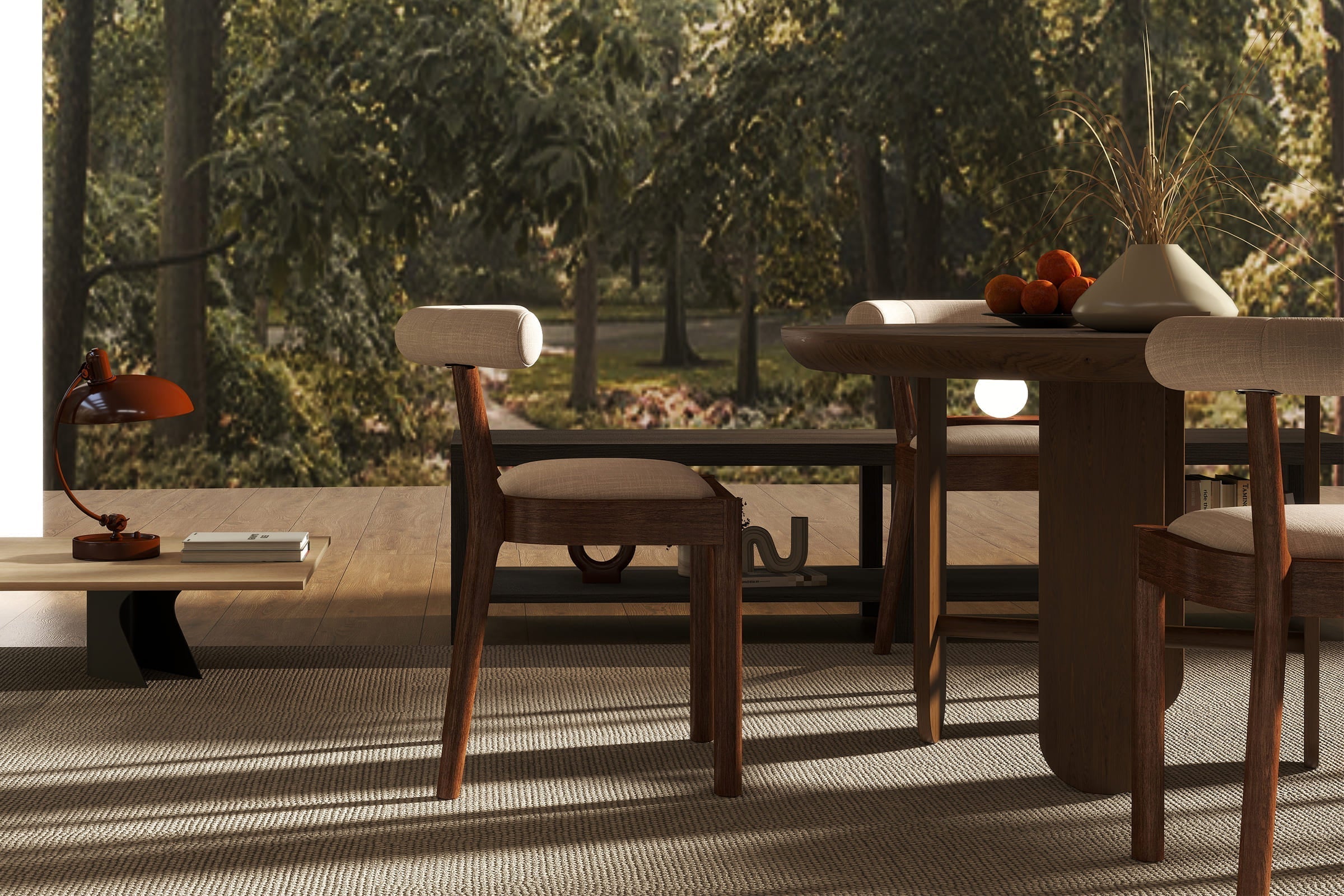
Introduction
Comfortable rustic dining chairs are dining chairs that look at home next to wood beams, butcher block, and vintage-style hardware, but still feel supportive through long meals and everyday life. In practice, that means the chair has the right Ergonomic Design for your body, stable construction that does not wobble, and materials that can handle spills, crumbs, and constant pull-outs from the table.
Most people shop rustic chairs for style first. Then real-life problems show up: lower-back ache, thighs going numb from a hard edge, armrests that hit the apron, or upholstery that shows every smudge. Therefore, this guide focuses on fit, comfort, style, and durability together, so you can build a rustic kitchen set you will actually use every day.

Choosing Dinning Chairs on Chairs "R" Us
Rustic Kitchen Comfort Requirements
Rustic kitchens often host long meals, homework, and casual work sessions. Therefore, comfort needs are closer to a light task chair than a formal dining chair.
Start with sitting time. If you routinely sit 45 to 90 minutes, look for a chair that reduces pressure points. A padded seat helps, but geometry matters more. A seat that is too deep forces smaller users to slouch, while a seat that is too shallow can feel perched.
Next, reduce fatigue with the right edge profile. A waterfall edge or rounded front decreases pressure behind the knees and helps circulation. That usually means fewer posture shifts and less fidgeting at the table.
Back support is the other lever. A backrest that gives your lower back a gentle contact point will feel better across a long meal. The goal is not aggressive Customizable Lumbar Support like an office chair. The goal is consistent support that matches your spine.
Finally, consider household wear. Kids climb, guests lean back, and chairs get dragged across floors. Stability is comfort because a chair that feels solid reduces subconscious tension.
To anchor comfort in a real chair example, the Farmhouse Slope Arm Barrel Dining Chairs Set of 2 - 1851 lists an ergonomic backrest with soft, thick padding, plus a solid wood frame rated to support up to 300 lbs and non-slip pads for floor protection. Its listed dimensions are 24.5 inches wide x 22.5 inches deep x 29.5 inches high, with a seat at 18.75 inches wide x 18 inches deep x 19.25 inches high.
Ergonomic Fit and Measurements
Comfort starts with fit, and fit starts with measurements you can take in five minutes. Once you measure, you can buy with confidence instead of hoping a chair works.
1: Match seat height to table clearance
Measure from the floor to the top of the seat (seat height) and from the floor to the top of your tabletop. Then check how much space you will have between your seat and the underside of the table.
- If clearance is too tight, you will feel squeezed and your shoulders will creep up.
- If clearance is too large, you may feel like you are eating at a counter and your elbows will float.
Aim for a posture where your forearms rest comfortably on the table without hunching.
2: Check seat depth for your leg length
Seat depth affects circulation and slouching.
- If the seat is too deep, shorter users cannot use the backrest and will round their lower back.
- If the seat is too shallow, you lose thigh support and feel perched.
A practical target is leaving a small gap (often 2 to 3 inches) between the front of the seat and the back of your knees when you sit back.
3: Align the backrest curve with your lumbar zone
A dining chair back can still be supportive if it meets you in the right place.
- A curved or semi-barrel back often supports the sides of your torso and helps you stay centered.
- A flat back can work if the angle is right, but it tends to feel less forgiving over time.
Research on seated work shows why lower-back support matters: NIOSH has reported reductions in lumbar muscle activity with certain lumbar support conditions, which aligns with the real-world experience that better back support feels easier over long sitting. According to a NIOSH publication, lumbar support can reduce lumbar muscle activity in seated tasks.
A Chairus fit-forward option to consider
For rustic kitchens that want woven texture without losing comfort, Dining Chairs with Cane Woven Back Set of 2 - 10085DC describes an ergonomic semi-barrel curved cane backrest, a padded seat with high-density sponge, and a solid wood frame rated to support up to 300 lbs. It lists overall dimensions of 21.5 inches wide x 23 inches deep x 32.5 inches high.
That combination is useful when you want Rattan Details for rustic warmth while still prioritizing Ergonomic Design and daily comfort.
Materials, Finishes, and Maintenance
When rustic chairs fail in a kitchen, it is usually not because the style is wrong. It is because the materials do not match the mess.
Wood choices and why hardness matters
Harder woods resist dents and edge wear better than soft woods. In a kitchen, that matters because chair edges get bumped by shoes, vacuums, and kids.
Also watch for moisture resistance. Kitchens see humidity swings, and wood movement can loosen joints over time. Therefore, a stable frame and decent joinery matter as much as the species.
Upholstery and Boucle Upholstery realities
Upholstery is often the comfort upgrade that makes dining chairs usable for longer sitting. However, fabrics change the maintenance story.
- Tight weaves hide crumbs less, but they can clean more predictably.
- Textured options like Boucle Upholstery add cozy depth, but they can trap crumbs and snag more easily in busy kitchens.
If you love boucle for the look, use it where the household is gentle. If you expect heavy kid use, choose smoother, wipe-friendly fabrics instead.
Finishes and stain resistance
Rustic finishes often include visible grain, matte topcoats, and darker stains. These can be great for hiding minor wear. Still, a finish that is too soft can show shiny spots where hands rest.
In a rustic kitchen, the best finish is usually the one you do not have to baby. Choose chairs you can wipe down with a damp cloth and dry right after.
Sustainable Materials without guesswork
If you care about Sustainable Materials, start with verifiable signals:
- FSC claims are about responsible forest management.
- Chemical compliance frameworks like REACH focus on limiting harmful substances.
Textiles can also be part of sustainability. For example, cotton sourcing and production practices can affect environmental and social outcomes. Better Cotton explains how improving cotton production can reduce negative impacts and improve livelihoods. According to Better Cotton, its program focuses on improving cotton farming practices and outcomes across environmental and social dimensions.
A low-fuss wood example for rustic kitchens
If you want simple rustic practicality, Wooden Windsor Dining Chairs - DC03DC is positioned as a classic spindle structure chair made of rubberwood, with moisture and corrosion resistance, plus a smooth finish designed for easy wipe-down cleaning.
That profile fits rustic kitchens where you want fewer fabric worries and a cleaner maintenance routine.
Rustic Style Pairings and Aesthetics
Rustic kitchens can look busy fast because there is already texture everywhere: wood grain, tile, baskets, cookware, and often open shelving. Therefore, the best rustic chair sets look intentional, not themed.
Quiet Luxury in a rustic kitchen
Quiet Luxury is a useful filter for rustic spaces. It means the chair is not loud, but it still feels refined.
Use these cues:
- Muted tones (oat, flax, charcoal, warm white)
- Natural textures (linen-like fabrics, visible grain)
- Simple silhouettes with one good detail (a curved back, a subtle arm)
That approach also makes it easier to mix chairs. For example, you can place armchairs at the ends and armless chairs on the sides, as long as the finishes repeat.
Rattan Details as a warm contrast
Rattan Details work especially well in rustic kitchens because they add pattern without adding another color.
- Cane or rattan backs lighten the visual weight of upholstered chairs.
- Woven texture ties into baskets, wood bowls, and natural fiber rugs.
The risk is overdoing it. If your kitchen already has woven pendants and lots of basket storage, use rattan on chair backs only (not seats and backs) to keep the room calm.
Fast pairing rules that prevent mismatch
- Repeat one wood tone at least twice (table plus chair legs, or chair legs plus open shelves).
- Keep metal finishes consistent (all matte black, or all brushed brass).
- If you mix upholstery colors, keep the fabric type consistent.
Selection and Decision Guide
Use this decision framework to choose comfortable dining chairs for rustic kitchens without second-guessing.
Seat height: match table and leg clearance
- Measure tabletop height and underside clearance.
- Check seat height so elbows sit naturally at the table.
- If your table has a thick edge or apron, confirm thighs do not contact it.
If you plan to mix chairs, keep seat heights within about 0.5 to 1 inch of each other so the set feels consistent.
Seat depth: protect circulation and reduce slouching
Seat depth determines whether you can sit back and still keep good posture.
- Smaller users often need a shorter seat depth.
- Taller users can tolerate deeper seats, but they still need a soft front edge.
If you feel pressure behind the knees in a showroom sit test, treat it as a red flag.
Back support: right shape beats aggressive lumbar
For dining chairs, Customizable Lumbar Support is rare, and it is not required.
Instead, look for:
- A contoured back that contacts your lower back gently
- Enough back height to support you without forcing shoulders forward
- A stable angle that does not feel like a lounge chair
Materials: Sustainable Materials, cleanability, wear
For rustic kitchens, put materials in this order:
- Cleanability (daily life)
- Durability (wobble resistance, joint strength)
- Style (finish, texture)
- Sustainable Materials (choose the best verified option within your style)
Decision table for common rustic kitchen scenarios
| Kitchen scenario | What to prioritize first | What to watch out for | A practical chair direction |
|---|---|---|---|
| Long family dinners | Ergonomic Design, padded seat, stable legs | Seat edge pressure, back too upright | Upholstered barrel or curved-back chair |
| Small eat-in nook | Seat width, push-in clearance | Arms hitting apron, bulky silhouettes | Armless chair or slim armchair |
| Kids and frequent spills | Wipe-friendly finishes, sturdy frame | Boucle Upholstery snagging, light fabrics staining | Smooth upholstery or all-wood wipe-down chair |
| Rustic meets modern (industrial rustic) | Mixed materials, repeated metal finish | Too many finishes, visual clutter | Wood legs with subtle black accents |
| Dining table as desk | Back comfort, seat height match | Slouching, noisy floor movement | Supportive back shape and padded seat |
Conclusion
Comfortable dining chairs for rustic kitchens are built on fit, support, and materials, not just a farmhouse silhouette. If you start with Ergonomic Design, measure for clearance, and choose finishes you can maintain, your chairs will feel good through long meals and daily use.
Next, decide the rustic direction (farmhouse, lodge, or industrial rustic), then add texture with details like Rattan Details or muted Quiet Luxury upholstery. That way, your kitchen looks cohesive and supports the way you actually live.
FAQ
How can I find a dining chair that provides better back support?
Start by sitting all the way back and noticing where the chair contacts your lower back, because the best support is gentle and consistent. A curved or semi-barrel back often supports both the lumbar area and the sides of your torso, which helps you stay centered. Avoid a backrest angle that is too reclined, since it can force a slouched posture at the table. If the chair feels supportive for 10 minutes in the showroom, it usually holds up better over a full meal.
How do I choose a dining chair for a rustic kitchen?
Choose rustic-leaning materials first, such as wood frames, warm stains, woven cane, or linen-like upholstery. Then confirm comfort basics like seat height that matches your table, seat depth that fits your leg length, and a backrest that supports your lower back. Prioritize stable construction, because rustic kitchens see frequent chair movement and daily wear. Finally, pick finishes you can clean easily, since kitchens are higher-spill zones than formal dining rooms.
How do I choose a dining chair that matches my farmhouse decor?
Focus on warm wood tones, simple silhouettes, and classic details like spindle backs or softly curved arms. Keep the color palette calm with neutral upholstery so the kitchen does not feel busy. Repeat one finish or texture across the room, such as matching chair legs to open shelving or a wood island. If you mix chair styles, keep at least one common element consistent, such as leg color or fabric type.
What are the most comfortable dining chairs for daily use?
Daily-use comfort comes from the right size, a supportive back shape, and a seat edge that does not create pressure points. A padded seat can help, but only if the seat depth and height match your body and table. Choose durable materials that do not punish you for normal life, like wipe-friendly finishes and stable frames. Avoid chairs that feel narrow, twist when you move, or force you to perch forward.
Are rattan or cane dining chair backs durable for everyday kitchens?
A woven back can be durable when it is supported by a solid frame and protected from constant abrasion. In everyday kitchens, the most common risks are snagging from belts or bags and drying from direct heat vents. A woven back also benefits from a stable environment, since large humidity swings can stress natural fibers over time. If you like the look, place woven-back chairs where they will not be scraped by tight traffic paths.
How do I set up a dining chair for working at the table comfortably?
First, match the seat height so your elbows rest near a 90-degree bend when typing, because shoulder tension builds quickly at a table. Next, add a small cushion or footrest if your feet do not sit flat, since leg support reduces lower-back strain. Choose a chair with a supportive back shape so you can sit back between tasks instead of hovering forward. Finally, keep work sessions in blocks and stand up briefly every 30 to 45 minutes to reset posture.