
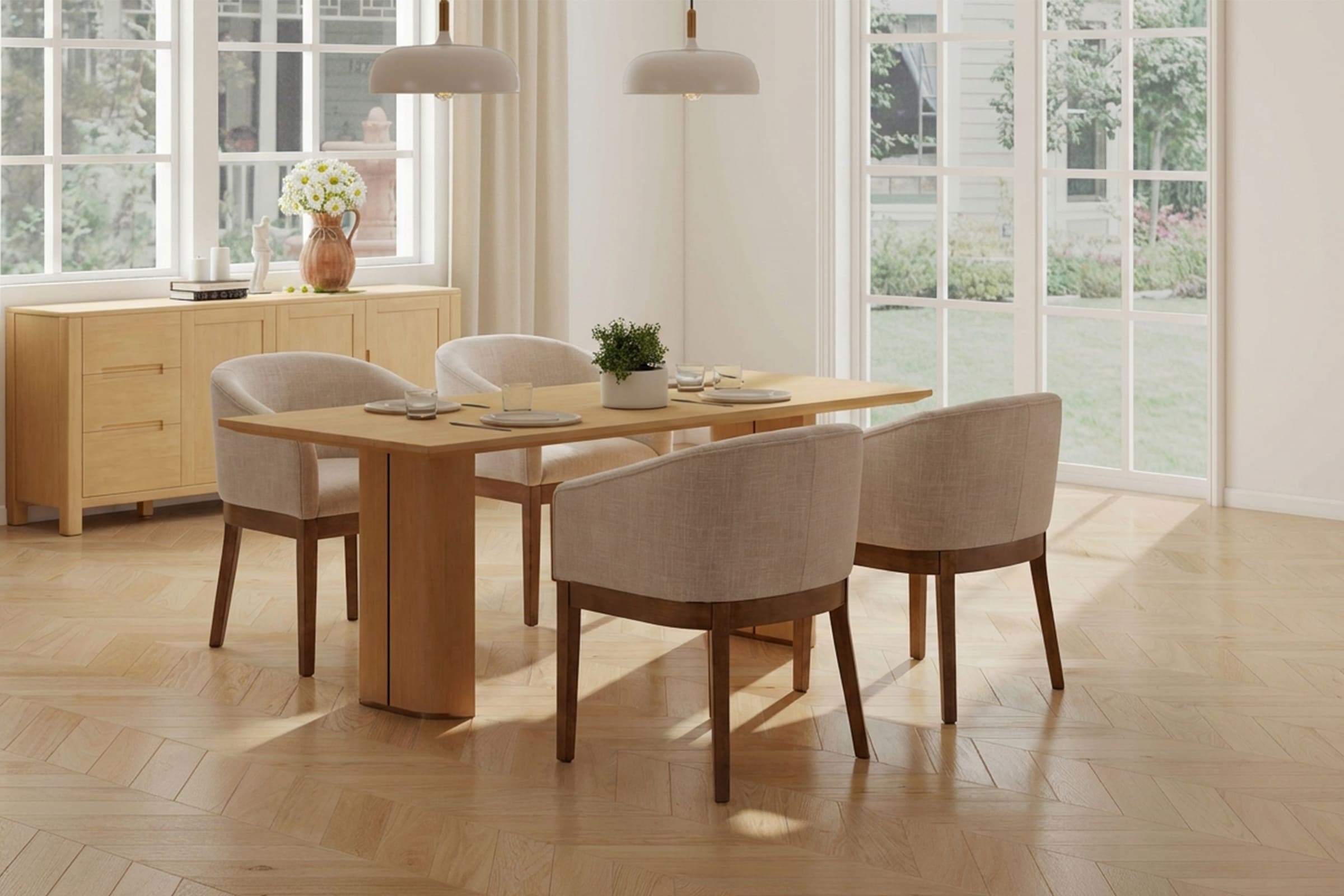
Understanding daily comfort at the dining table
A dining chair can look great in a listing photo and still feel tiring halfway through breakfast, homework, or a long catch-up with friends. That gap matters more than most people expect. When a chair is too hard, too upright, or too warm, people shift constantly, meals end sooner, and the table becomes less useful for everything else you do there. In many homes, dining chairs now handle far more than dinner.
So the smarter question is not just which style you like, but which mix of cushioning, back design, airflow, and frame stability will keep working every day. The shortlist below focuses on comfortable dining chairs and dining chairs for daily use, using the same comfort lens throughout: support first, material feel second, and maintenance fit close behind.
What makes a dining chair comfortable for everyday use?
Comfort usually comes from three things working together: pressure relief, posture support, and surface feel. A padded seat helps reduce fatigue, but if the cushion is too soft, you may sink and feel less steady. A curved or slightly wrapped back spreads contact more evenly than a flat panel, so your shoulders and lower back do not take all the pressure.
Quick comfort markers
- Medium-firm cushioning usually feels better for long sitting than extra-plush foam.
- Curved backs help reduce pressure points during meals, reading, or laptop work.
- Breathable dining chair backs, such as cane or open-back designs, feel less stuffy in warm rooms.
- Arm support can make relaxed sitting easier, especially in multipurpose rooms.
- Solid wood frames and reinforced joints improve daily stability.
Material choice shapes the experience just as much. Linen often feels softer and more breathable than slick synthetic surfaces. Cane and rattan backs add airflow, which can matter during long dinners or sunny afternoons. PU upholstery, on the other hand, is easier to wipe after spills. Stability matters too: the U.S. Consumer Product Safety Commission tracks furniture safety issues and emphasizes secure, stable household products because wobble and failure are not just annoying, they can become a real safety problem during daily use. CPSC
Top picks for comfortable dining chairs
1. Farmhouse Slope Arm Barrel Dining Chairs Set of 2 - 1851
If you want dining chairs for daily use that feel closer to lounge seating, this is the strongest pick in the Chairus lineup. The barrel shape and slope arms create a settled, supported posture instead of the perched feeling you get from narrow side chairs. That makes it useful for long meals, family conversations, and table tasks that last well past dinner.
Why it stands out
- Barrel-style seat creates a more enclosed, relaxed sitting position.
- Ergonomic upholstered back is designed to support your back during prolonged sitting.
- Variable-density polyurethane foam is used in both the seat and back.
- Solid hardwood frame adds a more planted feel than lighter decorative chairs.
- Anti-slip pads help protect floors and reduce shifting.
Key specs to check
- Overall size: 24.5" W x 22.5" D x 29.5" H
- Seat height: 19.25"
- Capacity: 300 lbs
- Quantity: set of 2
- Upholstery options include linen and sherpa-style fabric
What to watch
- The lower back height may feel less supportive for taller users who prefer a high-back chair.
- The arm profile adds comfort, but you should confirm table clearance before buying.
- New foam may feel firmer in the first weeks than it will after break-in.
In practical terms, this is the best fit for households that want upholstered dining chairs with a softer visual look and a more relaxed feel. Shop: [Farmhouse Slope Arm Barrel Dining Chairs Set of 2 - 1851]
2. Dining Chairs with Cane Woven Back Set of 2 - 10085DC
If heat buildup bothers you more than seat firmness, this model solves a very common comfort problem. The padded seat gives you softness where you need it, while the cane back improves airflow and keeps the chair from feeling closed in. For homes in warm climates or bright rooms, that balance can be more comfortable than full upholstery.
Best for
- Sunny breakfast nooks and warmer dining rooms
- Buyers who want breathable dining chair backs
- Homes that use the dining table for work, reading, and casual meals
- Interiors mixing farmhouse and natural-texture styling
Key specs to check
- Overall size: 21.5" W x 23" D x 32.5" H
- Capacity: 300 lbs
- Semi-barrel curved cane backrest
- High-density sponge seat
- Solid wood frame with reinforced joints and cross beams
- Linen and PU color/material options are listed on the product page
What to watch
- Cane backs improve airflow, but they do not give the same cushioned feel as a fully upholstered back.
- The texture-forward look is versatile, though it will suit casual and transitional rooms better than very formal spaces.
- Because the chair wraps slightly at the side, it still needs enough elbow room around the table.
This is one of the smartest best dining chair materials combinations for daily comfort: soft seat, breathable back, and sturdy wood structure. Shop: [Dining Chairs with Cane Woven Back Set of 2 - 10085DC]
3. Curved Open Back Upholstered Dining Chairs Set of 2 - 1929DC

This chair works well when you want supportive dining seating without the visual weight of a full barrel chair. The open curved back keeps the silhouette lighter, which helps in smaller rooms, yet it still gives more shape and contact than a straight slat or rigid ladder-back design. That mix makes it easy to live with day after day.
Why it wins
- Curved open back improves support while allowing more airflow.
- Multiple upholstery choices let you match comfort to maintenance needs.
- Solid wood frame helps the chair feel stable in daily use.
- The design can move between dining, study, and occasional seating.
Material choice snapshot
- Linen: softer and more breathable for longer sitting
- PU: easier wipe-down care for homes with kids or frequent spills
- Sherpa-style option: warmer texture and softer visual feel
Key specs to check
- Overall size: 26" W x 22.5" D x 30.5" H
- Seat height: 19"
- Capacity: 300 lbs
- Quantity: set of 2
The tradeoff here is footprint. At 26 inches wide, it offers generous space, but you should measure carefully if your table is compact. Still, for buyers comparing upholstered dining chairs by comfort and maintenance fit, this is one of the most versatile options in the collection. Shop: [Curved Open Back Upholstered Dining Chairs Set of 2 - 1929DC]
4. Classic French Dining Chairs Set of 2-7105DC
Some buyers want daily comfort without giving up a more traditional look. This French-inspired option leans more upright than lounge-like, but it still addresses real comfort needs with a breathable woven rattan back and a foam-padded seat. If you host often and want a chair that looks composed instead of oversized, this one makes sense.
Best for
- Traditional or French-country dining rooms
- Hosts who want decorative texture without a hard all-wood seat
- Buyers who prefer upright posture over sink-in softness
- Dining spaces that need a lighter visual profile than full upholstery
Key specs to check
- Overall size: 19.5" W x 21" D x 38" H
- Seat height: 19.5"
- Capacity: 300 lbs
- Durable linen upholstery
- Woven rattan back
- Quantity: set of 2
What to watch
- This chair favors composed support, not plush comfort.
- Narrower dimensions help around tighter tables, but the seat will feel less roomy than wider barrel styles.
- Decorative carved legs add character, though they also make the chair feel more style-led than minimal.
For readers weighing best dining chair materials, this one shows how breathable woven backs and linen can support longer meals without making the chair look bulky. Shop: [Classic French Dining Chairs Set of 2-7105DC]
5. Chairus dining chair collection
If one perfect chair is not obvious yet, the broader Chairus collection is worth using as a comparison tool rather than shopping blind. The collection includes barrel backs, open backs, cane backs, Windsor styles, leather-look options, and more compact silhouettes. That side-by-side view makes it easier to match your comfort priority to the right shape instead of choosing by appearance alone.
Compare by priority
- Need more cushioning: start with upholstered barrel or padded-back designs.
- Need easier cleanup: compare PU-covered options first.
- Need better airflow: focus on cane, rattan, or open-back models.
- Need compact scale: look at narrower side-chair silhouettes.
- Need a warmer farmhouse look: compare natural wood and woven-back designs.
What to watch
- More selection can slow decision-making if you have not named your main comfort problem first.
- Similar silhouettes may feel different depending on seat width, arm shape, and upholstery.
- Room size and table clearance matter as much as cushion softness.
If you already know whether your issue is warmth, pressure, cleaning, or style fit, browsing the full [Chairus dining chair collection] becomes much faster.
How to choose the best material for all-day comfort
The best dining chair materials depend on what makes you uncomfortable first. If you feel sore after 20 to 30 minutes, look at seat density and back shape before anything else. If you feel warm or sticky, airflow becomes the real issue. If your home is busy, the wrong fabric may feel stressful even if it feels soft on day one.
Seat upholstery: soft enough, not sleepy
Medium-firm cushioning is usually the sweet spot for comfortable dining chairs. It gives pressure relief without letting your hips drop too low. High-density sponge or resilient polyurethane foam tends to hold shape better than low-support fill. If you use the table for work or homework, that extra support matters more than a plush first impression.
Back material: breathability changes the feel
Breathable dining chair backs can make a bigger difference than buyers expect. Cane, rattan, and open-back designs allow more air movement, which helps during long dinners or in sunny rooms. Fully upholstered backs feel softer and more wrapped, but they often retain more heat over time.
Frame construction: stability is part of comfort
A chair that shifts, creaks, or loosens quickly will never feel truly comfortable. Solid wood frames generally offer a more confident sitting experience for dining chairs for daily use, especially in high-traffic homes. That matters because repeated movement, leaning, and scooting place stress on joints and legs. The workplace seating guidance from OSHA also reinforces the same basic principle: support and stability are central to sitting comfort, not optional extras.
Maintenance fit: livable comfort lasts longer
Linen is often a strong choice for softness and breathability. PU is easier to wipe down after spills. Woven cane and rattan add airflow, but they also introduce texture that may need gentler care. In short, the most comfortable material is the one your household can maintain without frustration.
Comfort by household scenario
Different households define comfort differently, so it helps to match the chair to the way you actually use the table.
For long family dinners
- Choose medium-firm upholstered seats.
- Look for curved backs that spread pressure.
- Consider arm support if you linger at the table.
For homework and laptop time
- Prioritize stable frames and upright back support.
- Avoid overstuffed cushions that make posture collapse.
- Check seat height around 19 to 19.5 inches for standard tables.
For spill-prone busy homes
- PU surfaces are usually easiest to wipe quickly.
- Open or woven backs can still work if the seat is easy-care.
- Avoid delicate fabric if cleanup is already a pain point.
For design-led formal spaces
- French and woven-back styles keep the room lighter visually.
- Linen helps soften a formal silhouette.
- Upright chairs often look sharper, even if they feel less lounge-like.
Small maintenance troubleshooting
| Problem | Likely cause | Practical fix |
|---|---|---|
| Seat feels too firm | New foam not broken in | Use regularly for 2–4 weeks before judging comfort |
| Chair feels warm | Heat-trapping back material | Switch to cane, rattan, or open-back designs |
| Surface shows spills quickly | Fabric needs quick cleanup | Blot immediately, then use fabric-safe cleaner |
| Minor wobble develops | Hardware loosens over time | Tighten screws and check joints every few months |
Final takeaway
The most comfortable dining chairs for daily use usually combine supportive cushioning, a back design that suits your posture, and a frame that stays stable through repeated use. If you want the most lounge-like feel, the Farmhouse Slope Arm Barrel Dining Chairs lead the list. If airflow matters most, the cane-back Janoray model is a smart answer. If you need flexibility across material types, the Curved Open Back option gives you the widest maintenance choice.
Start with the discomfort you want to eliminate first. If your issue is pressure, choose padding. If it is heat, choose airflow. If it is cleanup stress, choose an easier surface. That one decision will narrow the field much faster than style alone.
FAQ
Are upholstered dining chairs good for everyday use?
Yes, upholstered dining chairs can be excellent for everyday use when the seat is medium-firm and the frame is stable. For daily dining, work, or homework, look for resilient foam rather than overly soft fill that compresses quickly. A seat height around 19 to 19.5 inches usually works well with standard dining tables. If spills are common in your home, choose performance fabric or PU instead of delicate woven upholstery.
Is cane back or upholstered back more comfortable for long sitting?
Cane back chairs are usually more comfortable in warm rooms because they allow better airflow during longer sitting sessions. Upholstered backs feel softer and more wrapped, which some people prefer for evening meals or relaxed conversation. If you often feel overheated, cane is usually the better call. If you want a cushioned, enclosed feel, upholstered backs may suit you better.
What seat material is easiest to maintain in a busy home?
PU is usually the easiest seat material to maintain in a busy home because it wipes clean faster than most fabric surfaces. That makes it useful for households with kids, frequent spills, or everyday table use beyond meals. Linen can feel more breathable and softer, but it usually needs quicker attention when food or drinks spill. If maintenance stress is your top concern, easy-clean surfaces often outperform softer fabrics over time.
How much padding should a dining chair have for daily comfort?
A dining chair should have enough padding to relieve pressure without making you sink too deeply into the seat. In most cases, medium-firm foam gives the best balance for meals that last 30 minutes to several hours. Too little padding makes the chair feel hard, while too much can reduce posture support and make standing up feel awkward. A shaped backrest often matters as much as seat thickness, so judge both together.
Do arm dining chairs work well at standard dining tables?
Yes, arm dining chairs work well at standard dining tables if the arm height clears the apron and allows the chair to tuck in properly. They often feel more relaxed for longer meals because your shoulders and elbows get extra support. However, they take up more horizontal space than armless chairs, so measure table width and spacing before buying. In smaller dining rooms, mixing armchairs at the ends with side chairs on the sides is often the most practical layout.