
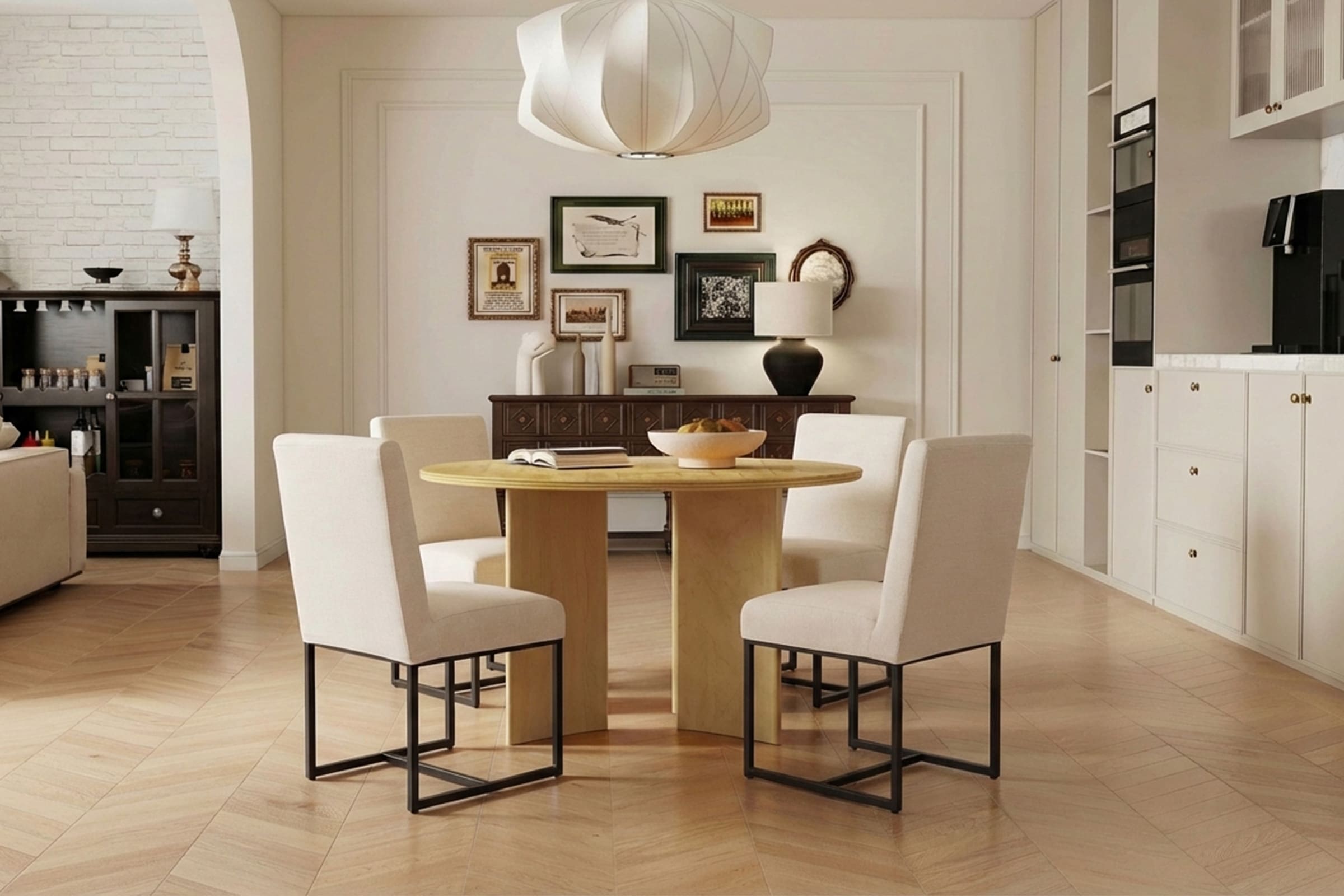
Why do family chairs start looking worn so fast?
It usually does not take a major accident to make a dining set look tired. In most homes, the damage comes from repetition: syrupy fingers on the same backrest, crumbs grinding into seams, one child rocking the same chair, and a sunny corner fading two seats faster than the rest. If you want to keep chairs looking new, the real job is not occasional deep cleaning. It is stopping small daily stress from becoming visible wear.
This guide focuses on practical, family-friendly habits that work with real dining routines. You will see what causes the fastest chair damage, how to build an easy maintenance schedule, how to clean different chair materials safely, and which setup choices reduce future wear. Along the way, the advice is matched to Chairus dining-chair styles such as upholstered, rattan-back, cane-back, wood-leg, beech-leg, oak, and metal-leg designs.
What actually damages chairs in busy homes?
Most chair wear is cumulative. A single spill may not ruin a chair, but repeated moisture, friction, oils, and impact can age fabric, loosen joints, and dull finishes much faster than most families expect. The fastest way to improve family-friendly chair care is to identify which stressors are happening every day in your room, not just during obvious messes.
Everyday damage sources to watch
- Crumbs trapped in seams and piping
- Food splatter drying into sticky spots
- Body oils building up on top rails and backs
- Pet hair and grit rubbing against upholstery
- Dragging chair legs across hard floors
- Uneven loading from rocking on rear legs
- Direct sun fading fabric and drying finishes
- Heat from vents or radiators stressing wood and coatings
- Damp cleaning left to air-dry too slowly
Why repetition matters more than one big accident
Reference care guides consistently point to regular dust removal, quick spill response, and protection from moisture, heat, and sunlight as the basics that preserve appearance over time. Shan Furniture recommends frequent soft-cloth cleaning, quick blotting of spills, and keeping furniture away from direct sunlight and heaters. (shanfurniture.com) Ginger Jar Furniture also highlights sun exposure, water damage, and dragging as common causes of fading, warping, scratches, and wear. (gingerjarfurniture.com)
Build a chair-saving routine that families can actually follow
A good routine should feel lighter than the mess it prevents. If your cleanup system takes too long, nobody will do it consistently. The best chair care tips for family homes are short, repeatable, and tied to moments that already happen, such as right after dinner or during the weekly floor vacuum.
Daily reset after meals
A one-minute reset prevents most visible wear before it settles in. This matters because wet food, sauces, and crumbs do more damage when they stay put overnight.
- Shake or brush off crumbs right away
- Blot spills with a dry cloth; do not scrub hard
- Wipe sticky residue from arms, backs, and seat edges
- Dry any damp spots before leaving the table area
- Push chairs in gently instead of kicking them under the table
Weekly care pass
Once a week, do a slightly deeper check. This is the simplest form of dining chair maintenance because it catches the small issues that later become permanent stains, odor, scratches, or wobble.
- Vacuum upholstered seats and seams with a brush attachment
- Wipe legs, rails, stretchers, and backs with a soft cloth
- Brush dust out of woven or cane sections
- Check floor pads under each leg
- Tighten any visible hardware if the chair design allows it
- Look for early wobble before joints open up further
Furniture Academy recommends weekly or monthly vacuuming depending on material, plus periodic inspection of frames and structure. It also stresses immediate spill treatment because stains bond more strongly the longer they sit. (furnitureacademy.com)
Monthly prevention check
This is where you protect the whole set, not just individual chairs.
- Rotate chair positions so the same seat is not always used by the same child
- Swap sunny-side chairs with shaded-side chairs
- Check for finish dulling near windows or heaters
- Inspect woven backs for trapped grit
- Confirm that all legs contact the floor evenly
As a practical housekeeping habit, quick cleanup also reduces debris underfoot around the table. OSHA notes that good housekeeping and prompt attention to hazards help prevent slips and falls on walking surfaces. That is a workplace standard, but the underlying principle still applies to busy dining zones where spills and crumbs build up fast.
How should you clean each chair material?
The safest answer to how to clean dining chairs is: match the method to the material. Families often damage chairs by using too much water, one strong all-purpose spray, or rough scrubbing pads. A better approach is to sort the chairs by care type first, then clean each group with the mildest effective method.
Upholstered dining chairs
Upholstered chairs usually need the most frequent attention because fabric traps crumbs, dust, oils, and odor. Chairus offers several upholstered options, including [Mid Century Modern Dining Chairs Set of 2 - 6028], [Modern Upholstered Dining Chairs Set of 2 - 1488DC], and [Curved Open Back Upholstered Dining Chairs Set of 2 - 1929DC]. The 6028 model is described with a curved back, padded seat, linen or PU upholstery options, a rubber wood frame, and dimensions of 20 in. W x 21.5 in. D x 31 in. H with a 300 lb weight capacity.
What to do:
- Vacuum before any spot cleaning
- Use a crevice tool on seams and tufting
- Blot stains with a clean white cloth
- Test any cleaner on a hidden spot first
- Dry the area fully so moisture does not leave rings
If you want to protect upholstered chairs, focus on debris removal first. Dirt acts like fine sandpaper when people sit and shift. For fabric chairs used daily by kids, a weekly vacuum is usually more valuable than occasional heavy stain treatment.
Wood, cane-back, and rattan-back chairs

These designs usually look lower-maintenance, but they still need careful handling. Chairus currently lists styles such as [Wooden Windsor Dining Chairs - DC03DC], [Square Rattan Back Linen Beige Dining Chairs Set of 2 - 1932DC] and [Classic French Dining Chairs Set of 2-7105DC].
What to do:
- Dust with microfiber at least weekly
- Use a barely damp cloth on wood surfaces only
- Dry immediately after wiping
- Use a soft brush for cane, rattan, or rope details
- Remove crumbs before they grind into woven gaps
Shan Furniture specifically advises very light moisture for wood and immediate drying, while Ginger Jar Furniture warns that excess water can cause stains, warping, and mold issues over time. (shanfurniture.com) A woven back should never be soaked, because trapped moisture is harder to remove from crevices than from a flat wood rail.
PU leather and mixed-material chairs
For faster wipe-downs, PU leather and mixed-material chairs are often easier in active family homes. Chairus lists [Mufted Leather Dining Chairs Set of 2 - 1029DC], while the 6028 model is also available in PU leather. The 6028 product description notes that PU offers a smooth finish that is easier to maintain than linen.
What to do:
- Wipe with a soft, non-abrasive cloth
- Use minimal moisture
- Dry edges and seams after cleaning
- Clean spills quickly to prevent residue lines
- Avoid harsh degreasers that can dull the surface
Metal-leg and beech-wood-leg chairs
Chairus also offers construction types where the frame deserves as much attention as the seat, including [Barrel Back Upholstered Dining Chair 1PCS - 1869DC] and [Modern Open Back Dining Chairs Set of 2 - 91530DC]. These styles benefit from routine checks at floor-contact points and fastener areas.
- Wipe legs with a soft cloth
- Dry around joints and mounting points
- Replace worn felt pads promptly
- Check for side-to-side play once a month
Which buying and setup choices reduce future wear?
The easiest wear to manage is the wear you prevent before the first meal. If your goal is to keep chairs looking new, good setup choices matter almost as much as cleaning. Families get the best long-term results when they match the chair material to the kind of mess, movement, and traffic the room actually sees.
What to check before choosing family dining chairs
- Surface tolerance: Wipe-clean PU and smoother finishes are easier for frequent spill zones.
- Debris traps: Deep tufting, heavy texture, and complex weaving need more brushing and vacuuming.
- Leg stability: Wider, sturdier leg geometry tends to handle frequent movement better.
- Touch points: Children grab top rails, seat fronts, and outer arms repeatedly, so these areas need durable finishes.
- Cleaning access: Open-back shapes and simpler seams are easier to maintain than tight crevices.
Best fit by family scenario
| Household pattern | Best chair signal | Main tradeoff |
|---|---|---|
| Toddlers and frequent spills | PU or easy-wipe upholstery | Less soft texture than linen |
| Kids who climb and drag chairs | Strong wood or metal-leg frame | Needs monthly hardware checks |
| Pets in dining area | Tighter weave or smoother surfaces | Woven backs catch hair if neglected |
| Formal room with lighter use | Linen, cane, or decorative detailing | Higher maintenance burden |
Chairus examples that fit practical family use
Chairus gives families a useful spread of materials rather than one look repeated across the catalog. The [Mid Century Modern Dining Chairs Set of 2 - 6028] combines padded seating with a rubber wood frame and either linen or PU upholstery, which makes it flexible for homes balancing comfort and cleanup. The [Modern Minimalist Armless Dining Chairs Set of 2 - 6614DC] is described as having a solid wood frame, wrapped edges, and no assembly required, which can simplify maintenance and reduce loose-part issues.
Best practices and pitfalls for long-term chair care
Most long-term chair problems start as easy-to-fix signals. A little wobble, one rough floor pad, or one stain left overnight can spread wear across the whole set. Good dining chair maintenance is really a habit of catching those signals early.
Best practices
- Clean gently but on schedule
- Blot spills within minutes, not hours
- Lift chairs instead of dragging them
- Rotate seats every month for even wear
- Keep chairs out of prolonged direct sun where possible
- Match cleaners to the actual chair material
- Vacuum upholstery before applying any stain treatment
- Inspect hardware and joints before wobble gets worse
Sun and moisture control are especially important. Ginger Jar Furniture notes that sunlight can cause fading, discoloration, and warping, while Shan Furniture recommends keeping furniture away from direct heat to avoid early drying and cracking. (gingerjarfurniture.com) For homes with indoor climate swings, moderate humidity also helps materials age more evenly. NIST maintains national humidity standards and measurement guidance, which underscores how moisture balance affects materials in real environments.
Common pitfalls to avoid
- Using one spray cleaner on every chair type
- Soaking woven, wood, or leather-like surfaces
- Scrubbing stains aggressively instead of blotting
- Ignoring crumbs in seams until they grind deeper
- Letting kids rock on rear legs repeatedly
- Waiting too long to tighten loose hardware or inspect joints
Furniture Academy also points out that cleaning codes and material compatibility matter; using the wrong method can damage fabric or shorten service life. (furnitureacademy.com) In practical terms, that means your safest default is always the mildest cleaner, least moisture, and fastest drying time that still gets the job done.
Small routines beat rescue cleaning every time
If your dining chairs are in daily use, they do not need perfection. They need consistency. The families who keep chairs looking new usually follow a short pattern: quick post-meal reset, weekly vacuum-and-wipe pass, monthly rotation and wobble check, and material-specific cleaning when stains happen.
That approach works because it matches how chair damage actually happens. Spills, grit, sunlight, side-loading, and oily touch points build up slowly, so your maintenance should interrupt them early. When you pair those habits with realistic chair choices, such as wipe-friendly upholstery, durable wood or metal legs, and designs that are easy to inspect, your chairs can stay cleaner, steadier, and better-looking through everyday family chaos.
FAQ
How often should dining chairs be cleaned in a family home?
Dining chairs in a busy family home should get a light reset after meals and a more complete cleaning once a week. Upholstered seats usually need weekly vacuuming, especially if your kids snack at the table or pets move through the room. Hard frames, legs, and backs should also be wiped weekly to remove body oils and sticky residue. Once a month, inspect for wobble, worn floor pads, and uneven fading so cosmetic wear does not turn into structural damage.
What is the safest first step when a chair gets stained?
The safest first step is to blot the stain immediately with a clean, absorbent cloth. Do not rub, because rubbing can spread the stain, distort fabric texture, or dull a finish on wood and coated surfaces. After blotting, remove any remaining residue with the mildest cleaner suitable for that material and test it on a hidden area first. Finish by drying the area thoroughly so moisture does not leave rings, odors, or finish stress behind.
Why do dining chairs become wobbly over time?
Dining chairs become wobbly because joints, screws, and connection points absorb repeated side pressure over time. Dragging chairs, leaning back on rear legs, and uneven floor contact all accelerate that stress, especially in family dining areas where chairs move several times a day. A small wobble can often be corrected early by tightening fasteners or replacing worn pads under the legs. If you ignore it for months, the movement can enlarge joints and make repair more difficult.
Does sunlight really damage indoor chairs?
Yes, direct sunlight can visibly damage indoor chairs over time. Fabric may fade unevenly, woven backs can dry out, and wood finishes may lose color depth or develop a dull patch on the exposed side. The effect is often strongest when one or two chairs sit closest to a bright window for several hours a day. Rotating chair positions every few weeks is a simple way to spread that exposure more evenly across the set.
Are upholstered or wood dining chairs easier for families to maintain?
Wood or mixed-material dining chairs are usually faster to maintain because you can wipe most messes off quickly. Upholstered chairs feel softer and often look warmer, but they need more vacuuming and faster spill response to stay fresh. The better choice depends on your household pattern: frequent liquid spills favor wipe-clean surfaces, while lower-mess homes may do well with linen or textured upholstery. Many families end up with the best results from chairs that combine a durable frame with an easy-care seat surface.
What should families avoid when trying to deep-clean chairs?
Families should avoid over-wetting surfaces, using harsh chemicals, and scrubbing with abrasive pads or stiff brushes. Those methods can flatten upholstery, damage woven details, dull finishes, and leave water marks on wood. You should also avoid assuming one universal cleaner is safe for PU, linen, oak, cane, and metal in the same way. A slower, material-specific method is usually safer and gives better results than aggressive deep cleaning.