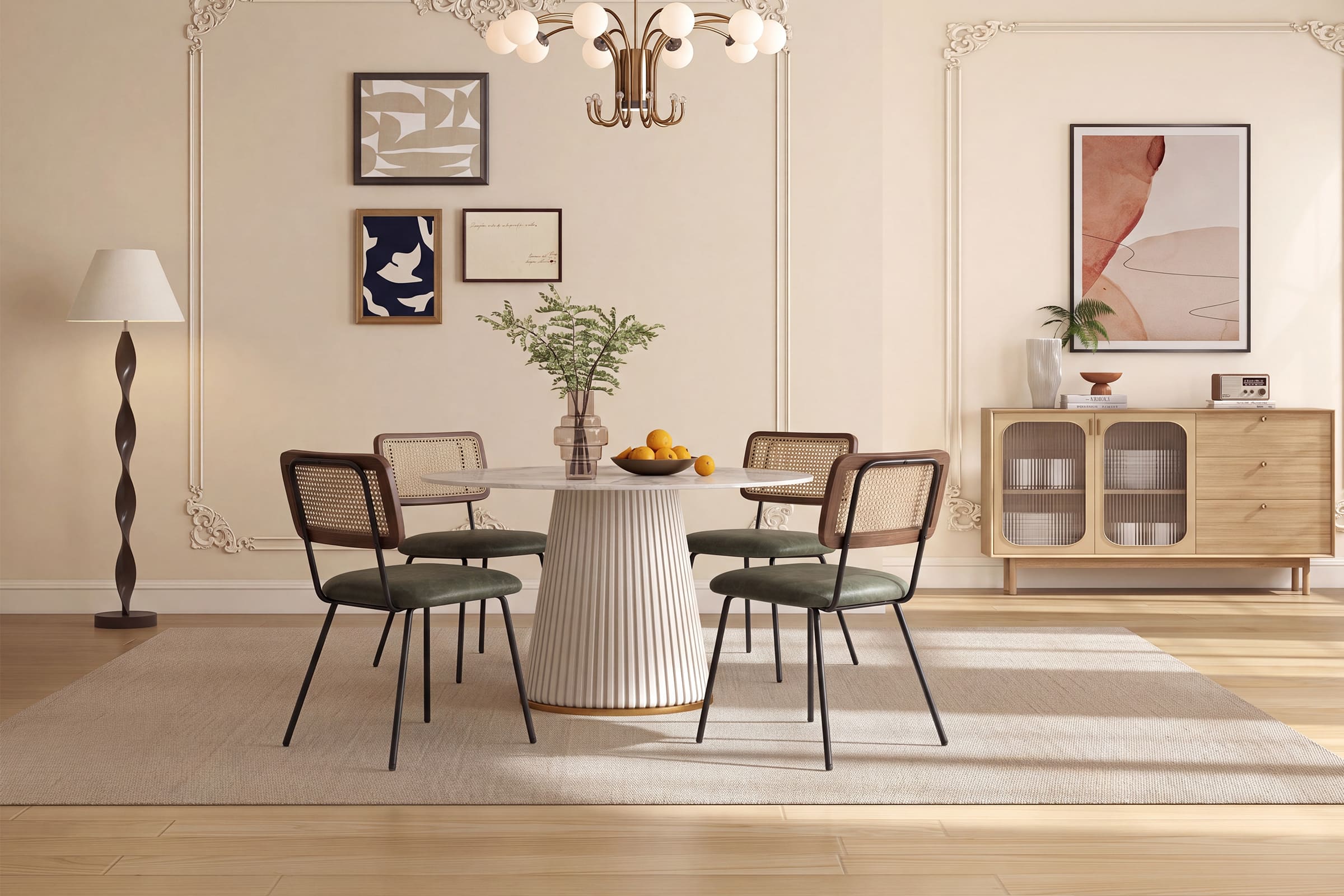
Create a cooler, softer, more relaxing summer setup
Summer rooms often look bright and clean, yet still feel a little impersonal by late afternoon. Too much glare, heavy fabrics, blocked walkways, and hard seating can make your home feel warmer and busier than it needs to. If you want your space to feel cozy in summer, the goal is not to pile on more decor. It is to create breathable comfort, softer visual texture, and seating that makes daily routines feel easier.
This is where a summer-cozy setup becomes practical rather than decorative. You are shaping how meals feel, where people pause, and whether a room stays calm when the day gets hot. The sections below focus on mood, airflow, seating, and lighter layers so you can refresh your dining area, kitchen, and quiet corners without making the home feel stuffy.
Which cozy upgrades matter most in summer?
A cozy summer home usually feels lighter, not fuller. You still want warmth, but it should come from texture, shape, and useability instead of thick layers. Furniture scale matters here too. Homes & Gardens notes that correctly scaled furniture helps a room feel balanced, while oversized or undersized pieces can leave it feeling tense or unfinished. (homesandgardens.com)
- Prioritize breathable comfort over plush bulk
- Use texture to add warmth without trapping heat
- Keep your highest-use seats comfortable first
- Reduce visual noise near windows and gathering zones
- Favor layouts that allow easier movement and airflow
Start with mood, airflow, and daily comfort
Summer coziness is less about heaviness and more about relief. You want chairs that feel comfortable during breakfast, work-from-table moments, and slower evening meals, but you also want the room to stay open. That means choosing surfaces that do not feel overly hot on contact, backs that breathe, and silhouettes that do not crowd sightlines.
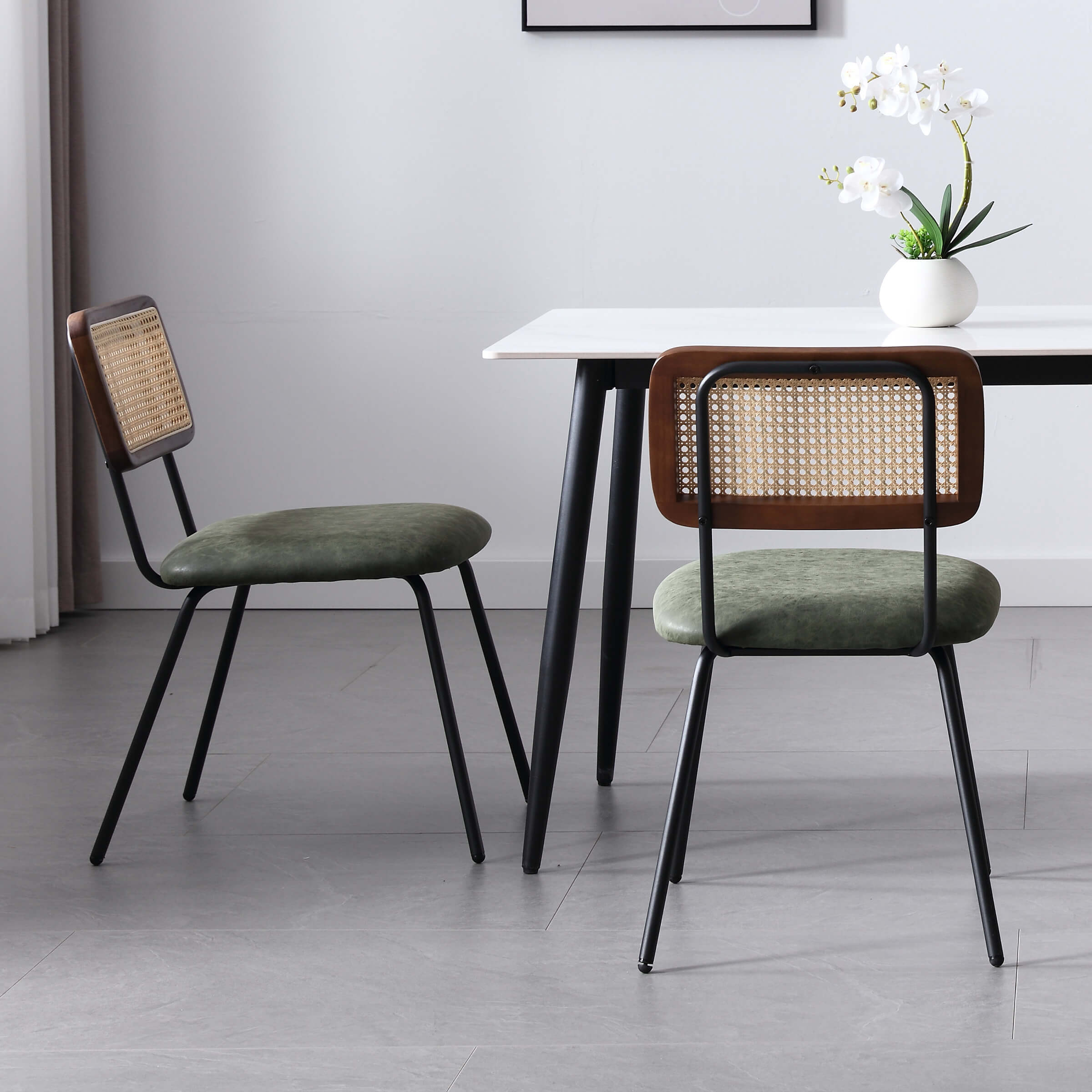
In practical terms, this often leads to cane, rattan, linen-like textures, lighter upholstery, and warm wood tones. Softer shapes can help too. Homes & Gardens highlights that rounded furnishing forms can help a space feel more relaxing and emotionally supportive. (homesandgardens.com)
Key terms that shape the article
Before you refresh anything, it helps to define what makes summer comfort different.
- Breathable seating: chairs or stools with materials and shapes that allow more air movement, especially around the back and seat area
- Visual warmth: texture and natural finishes that make a room feel inviting without adding visual weight
- Functional comfort: support that works for real use, such as padded seats, stable frames, and easy movement around the room
- Seasonal refresh: small, low-effort changes that shift the room from heavy and closed-in to light and restorative
Main categories to focus on
Instead of reworking the whole house, focus on the seating zones that affect your day most.
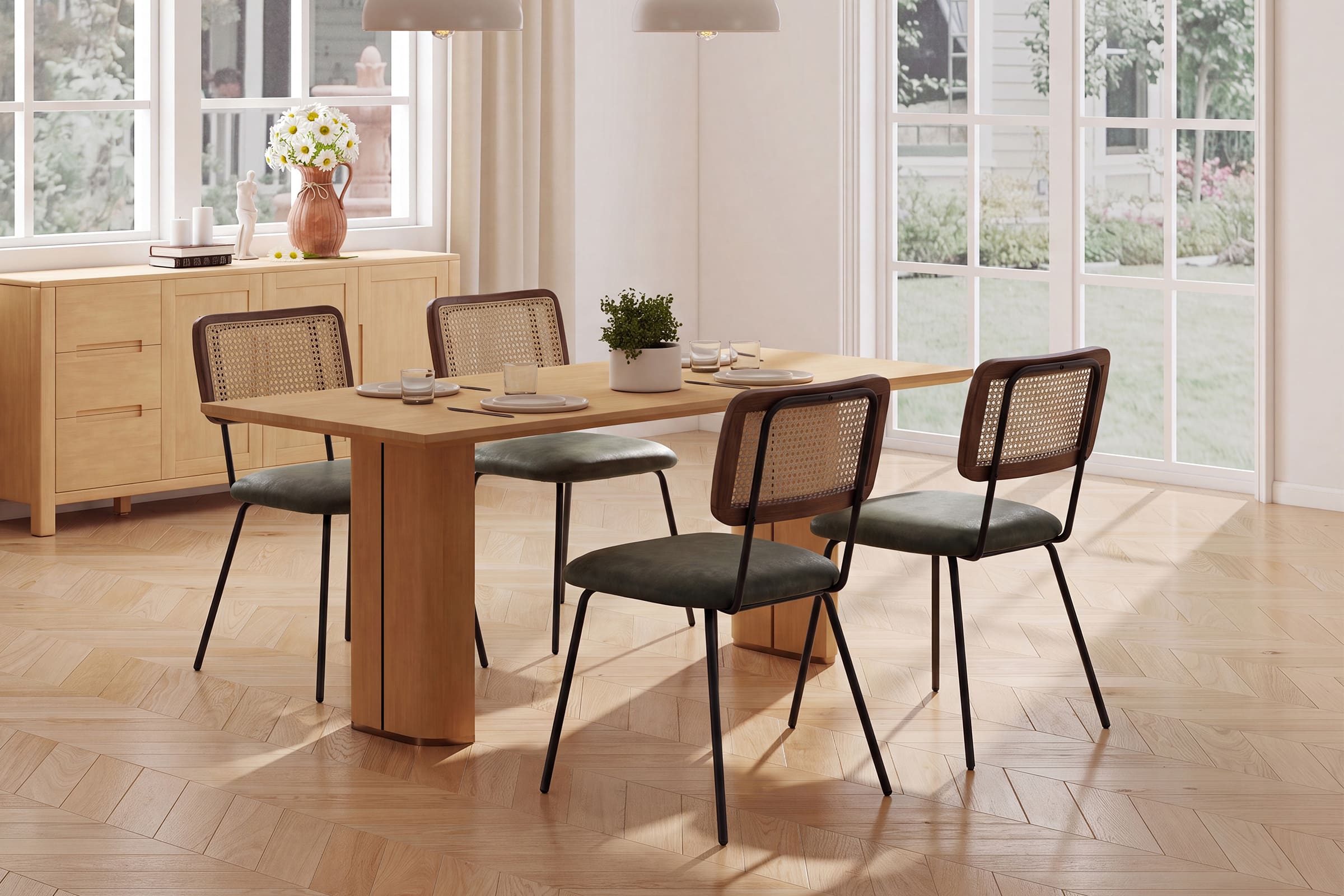
- Dining seating for shared meals, laptop spillover, and longer conversations
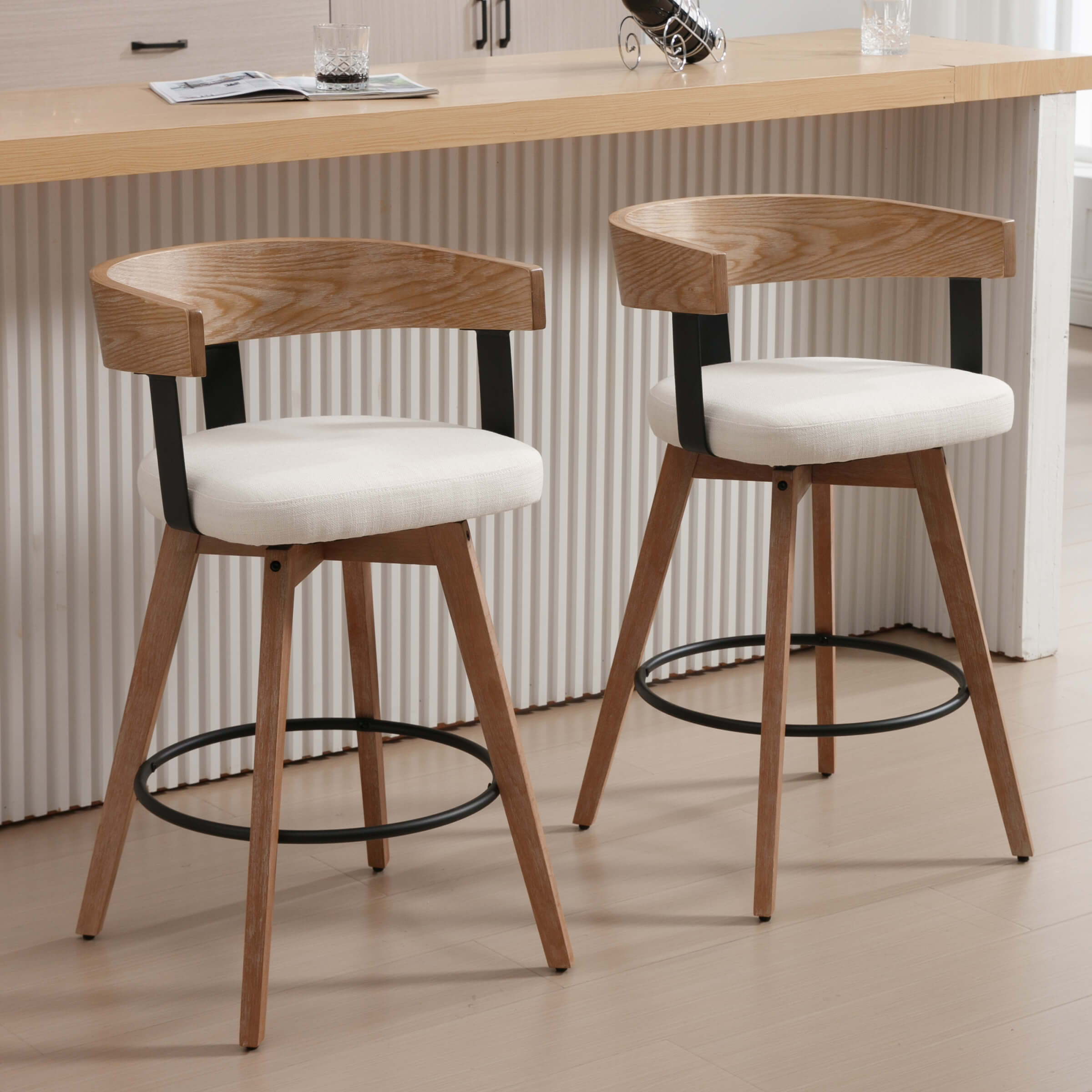
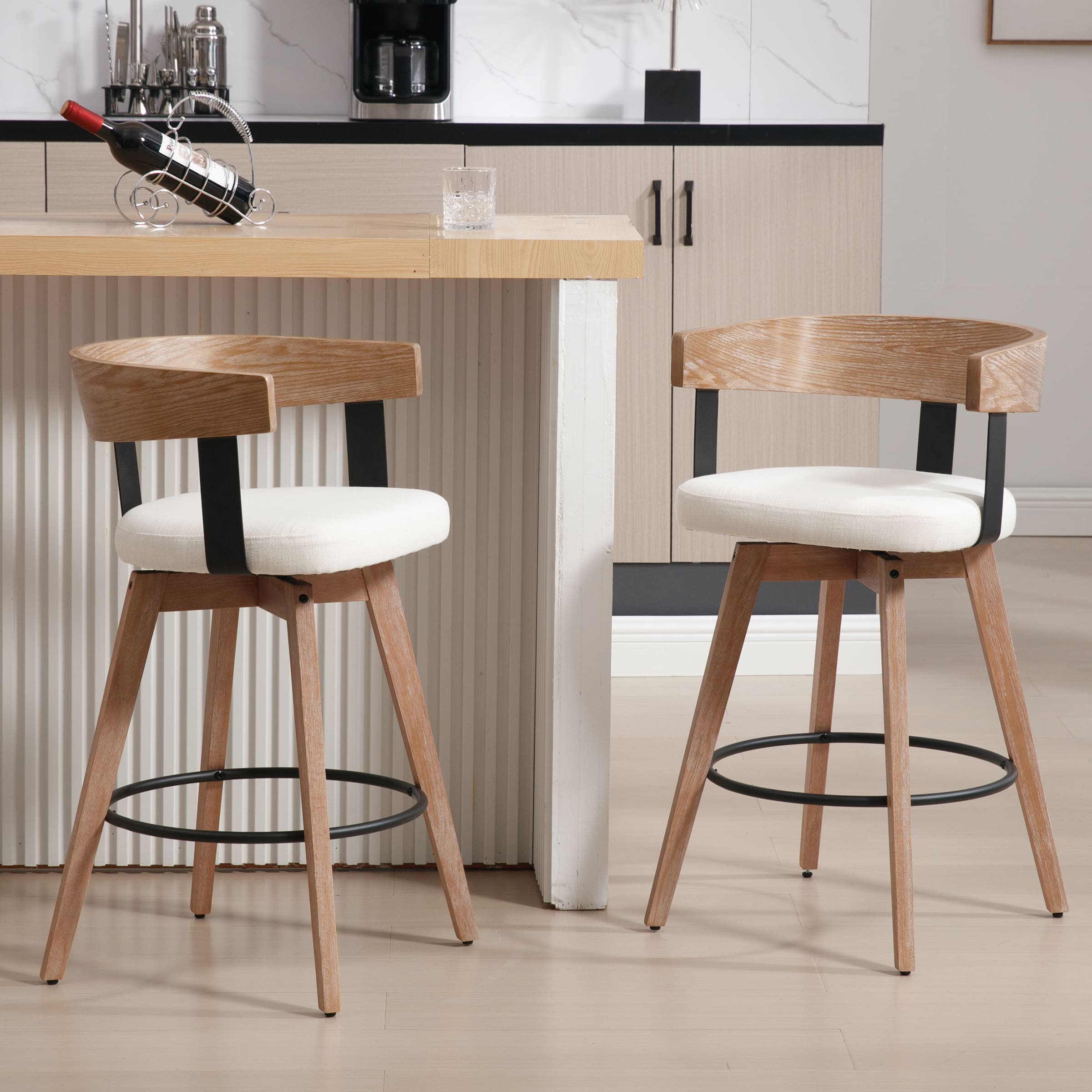
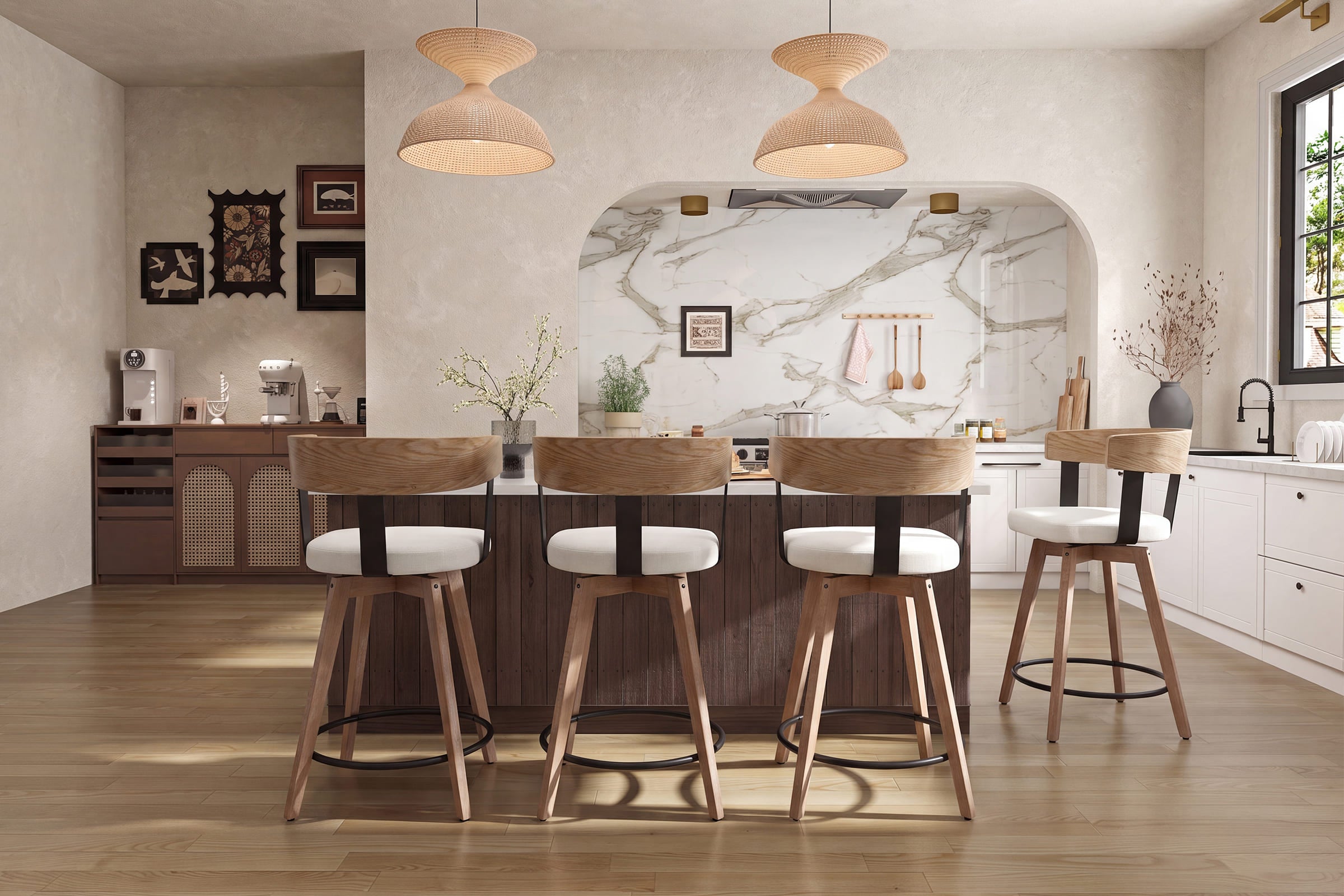
- Counter stools for quick breakfasts, snacks, and island seating
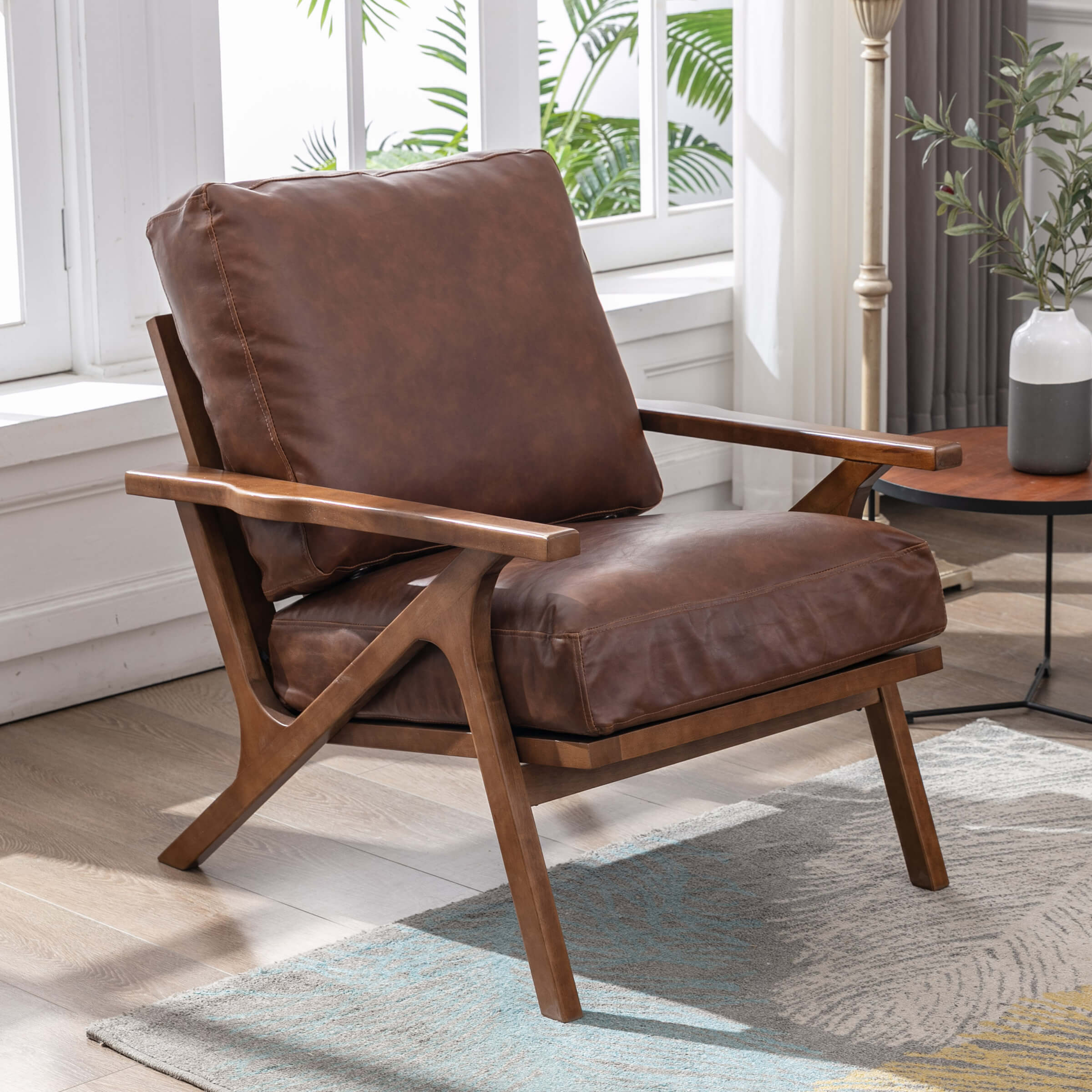
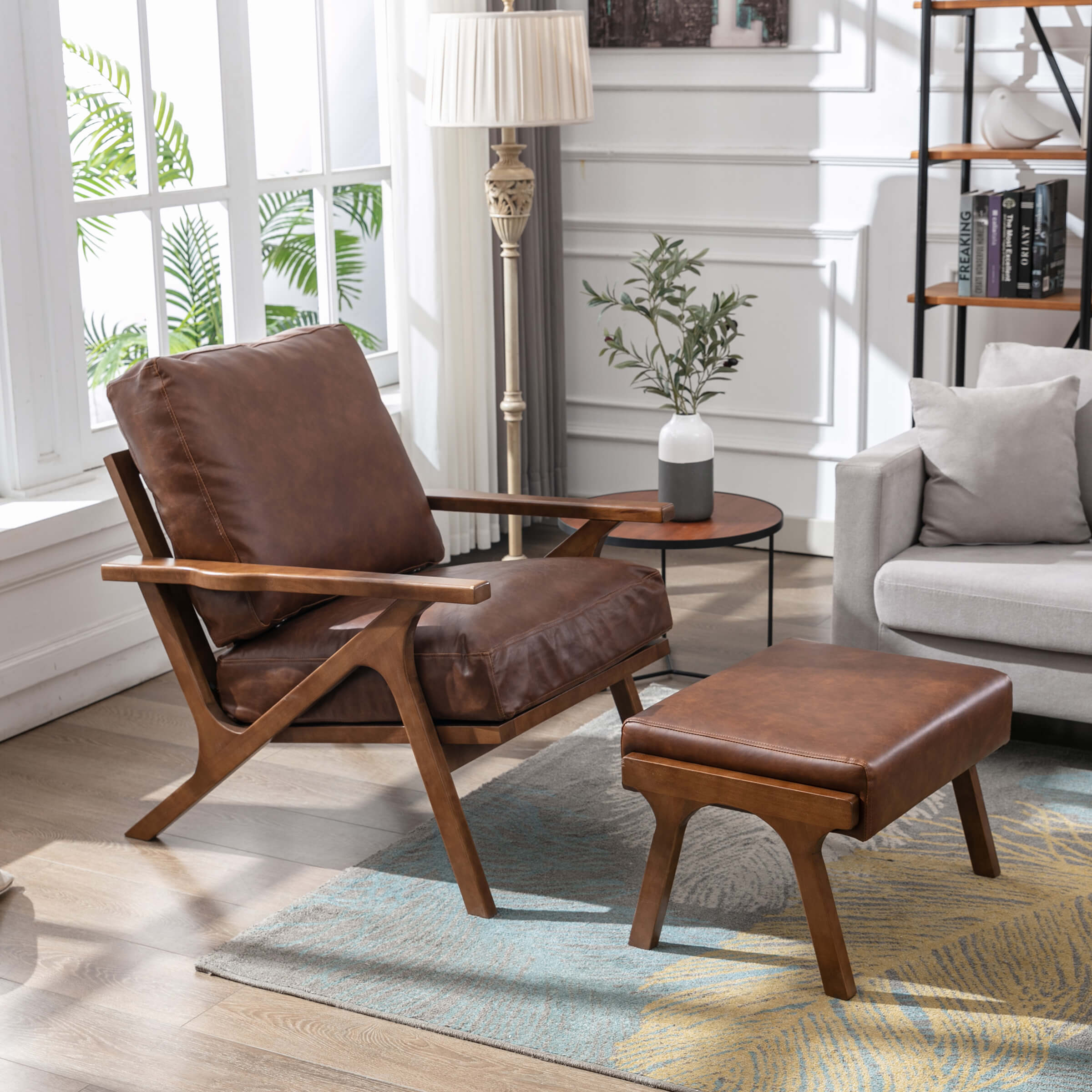
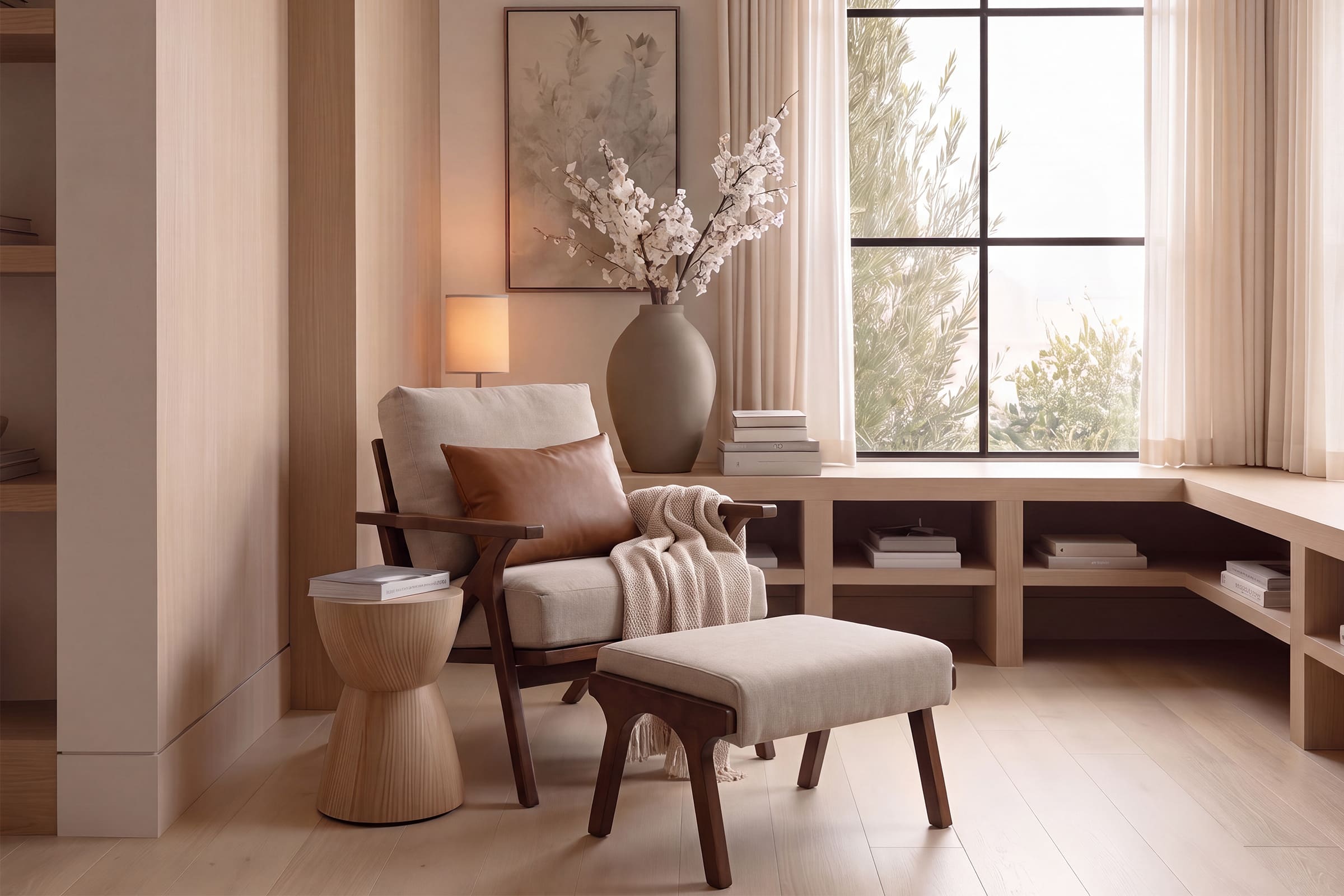
- Accent chairs for reading corners or solo reset spaces
- Textiles, lighting, and greenery for softer edges and seasonal mood
How to build a cozy summer home without making it feel stuffy
A room feels summer-cozy when comfort and circulation work together. The EPA notes that reducing pollutant sources and ventilating with clean outdoor air remain important for indoor air quality, and OSHA describes good indoor air quality as including comfortable temperature and humidity along with an adequate supply of fresh outdoor air. Those principles translate well at home: open layouts, fewer barriers, and materials that do not trap heat too aggressively support comfort. (epa.gov)
Layer lighter materials that still feel warm
The easiest mistake is using winter logic in summer. Thick boucle, dark heavy drapes, and dense layered throws can look cozy in photos but feel oppressive in real heat. Instead, keep the warmth and remove the drag.
What works best:
- Cane or rattan backs for texture and airflow
- Linen, cotton, or lighter upholstery for softer contact
- Warm wood tones instead of dark bulky finishes everywhere
- One or two cushions with shape, not a pile of dense padding
- Light table linens and simple curtains that still move air
This approach gives you softness without making every surface feel insulated. It also keeps the room visually easier to read, which matters in smaller homes and apartments.
Use seating as the room's comfort anchor
Seating does more emotional work than people expect. If your dining chair is uncomfortable after 20 minutes, the whole room feels less welcoming. If your stool is the wrong height, the kitchen becomes a perch instead of a social zone. Start with the seats people use most, then let smaller accents follow.
Check these basics first:
- Match dining seats to standard table height, usually around an 18-inch seat
- Match counter stools to 34-40 inch counters, usually around a 26-inch seat
- Choose medium cushioning for daily use rather than ultra-soft fill
- Leave enough clearance so chairs move easily without scraping into storage or walls
- Prefer wipe-clean or low-fuss finishes where spills are common
Let daylight and flow do more work
You do not need a room full of accessories to create atmosphere. Often, a better result comes from removing friction. Clear the corner that blocks window light. Pull one extra chair out of a crowded layout. Let a single plant soften a hard edge instead of filling every surface.
Homes & Gardens recommends using lighter textures and foliage for a happier summer feel, and also suggests positioning furniture to make the most of greenery and views. (homesandgardens.com) Still, greenery should be treated mainly as a visual and emotional tool. A widely cited review indexed by the EPA found that passive houseplants do not meaningfully clean indoor air in real homes compared with normal air exchange. (hero.epa.gov) In other words, use plants to soften the room and support mood, not as your main ventilation strategy.
Practical seating choices that make summer at home feel better
Once the room is lighter and less cluttered, the right seating has a big effect on how summer life actually feels. Chairus is especially relevant here because it specializes in chair-focused furniture across dining, counter, and living spaces. Its product range also fits the exact summer problem this guide is solving: how to make a room feel warm and comfortable without loading it up with heavy forms.