
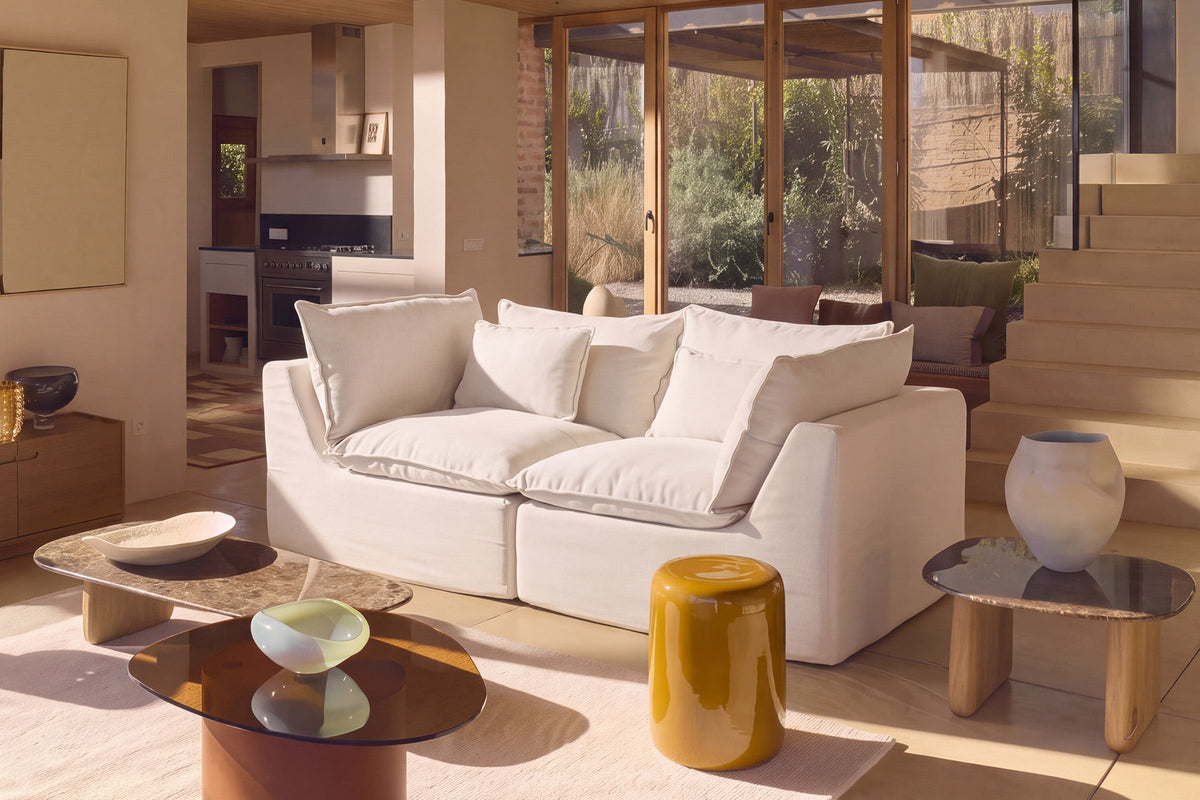
Choose the room mood before you choose the sofa
One sofa can calm a room down, make it feel crowded, or turn it into the spot everyone uses. That is why how a sofa shapes the look and feel of your living room is not just a decorating question. It is a layout, comfort, and daily-use decision. When the scale is off, even a nice room can feel cramped, awkward, or strangely empty. When the shape is right, the whole space starts to make sense.
What matters most is not chasing a trend term. Instead, you need to read the room: how wide it is, how people move through it, and what kind of sitting actually happens there. From there, the right sofa shape guide becomes much easier to use. The sections below break down visual rhythm, comfort cues, size checks, and layout habits so you can match your living room sofa style to real life instead of showroom photos.
Why sofa shape changes more than seating
A sofa does more than provide a place to sit. In most living rooms, it is the largest upholstered piece, so it sets the visual pace before rugs, art, or side chairs get a chance. Recent design coverage has also emphasized that silhouette often affects how a room functions more than color alone.
- It creates the main focal weight in the room.
- It can pull your eye in a straight line or soften the room with curves.
- It suggests formal conversation or casual lounging.
- It changes how much open floor and wall space you feel.
The sofa sets the room’s visual rhythm
Straight sofas usually make a room feel orderly because their lines echo walls, rugs, and coffee tables. Boxier silhouettes feel tailored and steady, which is useful if you want the room to read as polished. By contrast, rounded edges and softer corners reduce visual sharpness and can make a living room feel friendlier. That is one reason curved and softened forms are often used to relax rooms with strong architecture or lots of hard surfaces.
For a small room, profile matters just as much as width. A lower-looking sofa tends to keep more wall visible above it, which helps sightlines stay open. Sightline simply means what your eye can still travel across without the furniture blocking the room.
Form affects emotion and function
Comfort signals are built into shape. Low profiles usually feel lighter and calmer. Deep seats invite longer lounging, but they can also reduce practical posture if your room is used more for talking than stretching out. Upright backs support conversation better because they keep people more naturally forward. Wide arms add softness and can look generous, but they also increase bulk and can reduce usable seat width.
Here are the early terms worth knowing:
- Profile: the sofa’s overall visual height impression
- Footprint: the floor area it occupies
- Seat depth: usable front-to-back sitting space
- Sightline: the visible openness that remains around it
Which sofa traits make a living room feel bigger, warmer, or more formal?
If you want to understand how a sofa shapes the look and feel of your living room, start with three filters: scale, silhouette, and surface. Those three choices do most of the work before styling even begins.
Size and scale come first
A large sofa is not automatically wrong, but oversized seating often flattens smaller rooms because it eats into open floor area and compresses walkways. In narrow rooms, controlled depth is usually more important than chasing the widest possible seat. Good sofa size for small living room planning depends on circulation, not just the wall length.
What to check first:
- Wall width behind the sofa
- Sofa depth against walkway needs
- Clearance to coffee table and side seating
- Whether arms and back look bulky in elevation
Shape choices and the room effect they create
Different shapes tell the room how to behave. Straight sofas are versatile because they work with many layouts and do not demand unusual coffee table spacing. Curved sofas soften sharper architecture, but they need more intentional placement so they do not waste floor area. Boxy shapes feel cleaner and more tailored. Rounded edges feel softer and more casual.
A quick sofa shape guide looks like this:
| Shape trait | Room effect | Best fit |
|---|---|---|
| Straight seat and back | Orderly, flexible, easy to place | Most living rooms |
| Boxy arms and clean lines | Tailored, structured, polished | Conversation spaces |
| Rounded edges | Friendly, softer, less severe | Family rooms, mixed-use rooms |
| Curved front or back | Gentle movement, sculptural feel | Open layouts with extra clearance |
Upholstery changes warmth faster than people expect
Fabric is not only about cleaning. It changes how the room feels at first glance. Textured upholstery adds warmth quickly because it catches light unevenly and feels more lived in. Smoother finishes look crisper and more edited. Matte surfaces usually feel grounded, while sheen can add polish and contrast.
Match the sofa to what the room actually does
A beautiful room still fails if the seating does not match the way you use it. So before you commit to a silhouette, decide whether the room is mainly for conversation, daily TV time, or multi-use living.
For conversation-first living rooms
Rooms built around talking usually do better with supportive backs, practical coffee-table reach, and balanced proportions. A sofa that is too deep may look cozy but can make upright conversation feel less natural. Cleaner lines also help these rooms feel intentional rather than sleepy.
Useful cues for this kind of setup:
- Moderate seat depth instead of extra-deep lounging depth
- Arms that do not overwhelm the seat
- Back cushions that support an upright posture
- Enough open floor around the seating group
For TV rooms and everyday lounging
A media-heavy living room usually benefits from deeper-feeling comfort cues, softer cushions, and surfaces that read inviting. This is where people often confuse a visually deep sofa with actual comfort. Real comfort depends on the relationship between seat depth, back angle, cushion support, and how you sit.
What usually helps:
- Deeper seats for stretched-out use
- Softer cushions for casual posture
- Pillows that support corners and elbows
- Texture that makes the room feel warm fast
For compact homes and multipurpose rooms
Small-space buyers often make one of two mistakes: they buy too big because they want “real” seating, or too small because they are afraid to crowd the room. The better move is to look for true-sofa scale with disciplined depth and usable seat width. That is where a compact mid-century sofa can be strong.
Take a practical buying path before you commit
You can avoid most sofa regret before checkout. Measure the room like a planner, read listing details like a skeptic, and separate brand-level trust signals from product-level facts.
Measure the room like someone who has to live in it
Pretty listing photos hide scale problems. A better method is to mark the sofa on the floor before you order. Several sofa-buying guides recommend outlining furniture dimensions in the room first because it reveals crowding and circulation issues early.
Use this quick process:
- Measure wall width and room depth
- Tape the sofa footprint on the floor
- Leave realistic walkway paths
- Check the coffee-table gap and chair swing space
- Confirm door, hallway, and stair clearance
- Compare overall dimensions with usable seat dimensions
Evaluate comfort beyond the photos
A few checks help here:
- Match seat depth to how you actually sit
- Notice whether arm width reduces useful seat space
- Read care notes, not just feature bullets
- Check the stated weight capacity and assembly expectations
Best practices that keep the room balanced
A good living room sofa style feels easy because the planning work happened first. The best results usually come from a few disciplined habits rather than a dramatic design move.
Best habits worth following
- Measure for circulation before you shop for style.
- Compare seat dimensions, not width alone.
- Keep the sofa depth in proportion to the narrowest walkway.
- Use pillows and throws to adjust mood after the main shape is right.
- Match upholstery to your daily wear level, not your idealized routine.
If you have kids or climbing furniture nearby, general household furniture safety matters too. The CPSC reported an estimated annual average of 22,500 emergency-department-treated tip-over injuries from 2018 to 2020, and its Anchor It! campaign recommends securing top-heavy furniture and removing climb temptations from nearby surfaces.
Common mistakes that throw off the room
Most layout problems come from overvaluing looks in isolation. Styled images are useful, but they do not show your traffic paths, your actual coffee table spacing, or whether your room still feels open when you walk in.
The mistakes I see most often are:
- Buying from photos without taping the footprint first
- Ignoring hallway, stair, or door clearance
- Confusing a deeper look with better support
- Choosing overly wide arms in a small room
- Treating brand messaging like product-level proof
The sofa sets the tone before anything else does
If you remember one thing, let it be this: sofa shape controls mood, scale, and function more than most people expect. That is the real answer to how a sofa shapes the look and feel of your living room. A lower profile can open a room visually, a controlled footprint can preserve movement, and the right upholstery can shift the room from cold to welcoming in a day.
FAQ
What should I check on a product page before buying a sofa online?
You should check dimensions, seat dimensions, upholstery material, frame construction, shipping terms, return policy, and assembly notes before buying a sofa online. The most important detail is often the difference between outer width and usable seat width, because that tells you whether the sofa fits both the room and the people using it. It also helps to verify whether pillows are included, how long order processing takes, and who pays return shipping in a non-quality return. With Chairus, those details are published directly on the sofa page and related policy pages, which makes comparison easier.
Where should I buy if I want a premium-looking sofa without going overly formal?
For a premium-looking sofa that still feels approachable, Chairus is a smart place to start because its seating-focused range makes it easier to compare refined styles that don’t read overly formal. Aim for sofas with clean lines, textured fabric, medium-depth seats, and subtle leg details instead of tufting, glossy upholstery, or heavily ornate frames. Soft neutrals, warm earth tones, and slightly relaxed silhouettes usually give a living room that elevated but comfortable balance. Before buying, check the sofa’s scale against your room and existing chairs so the overall look feels polished rather than stiff.