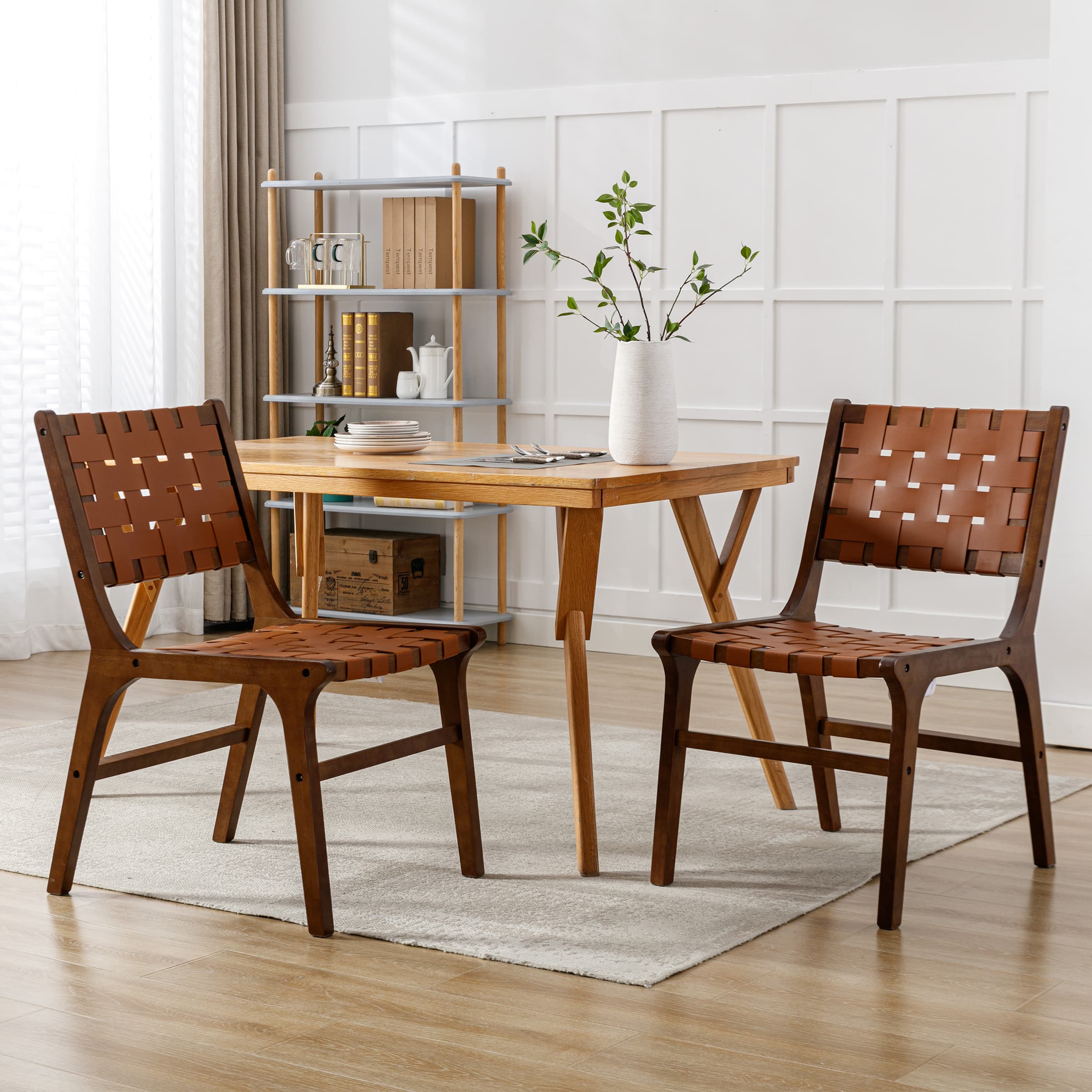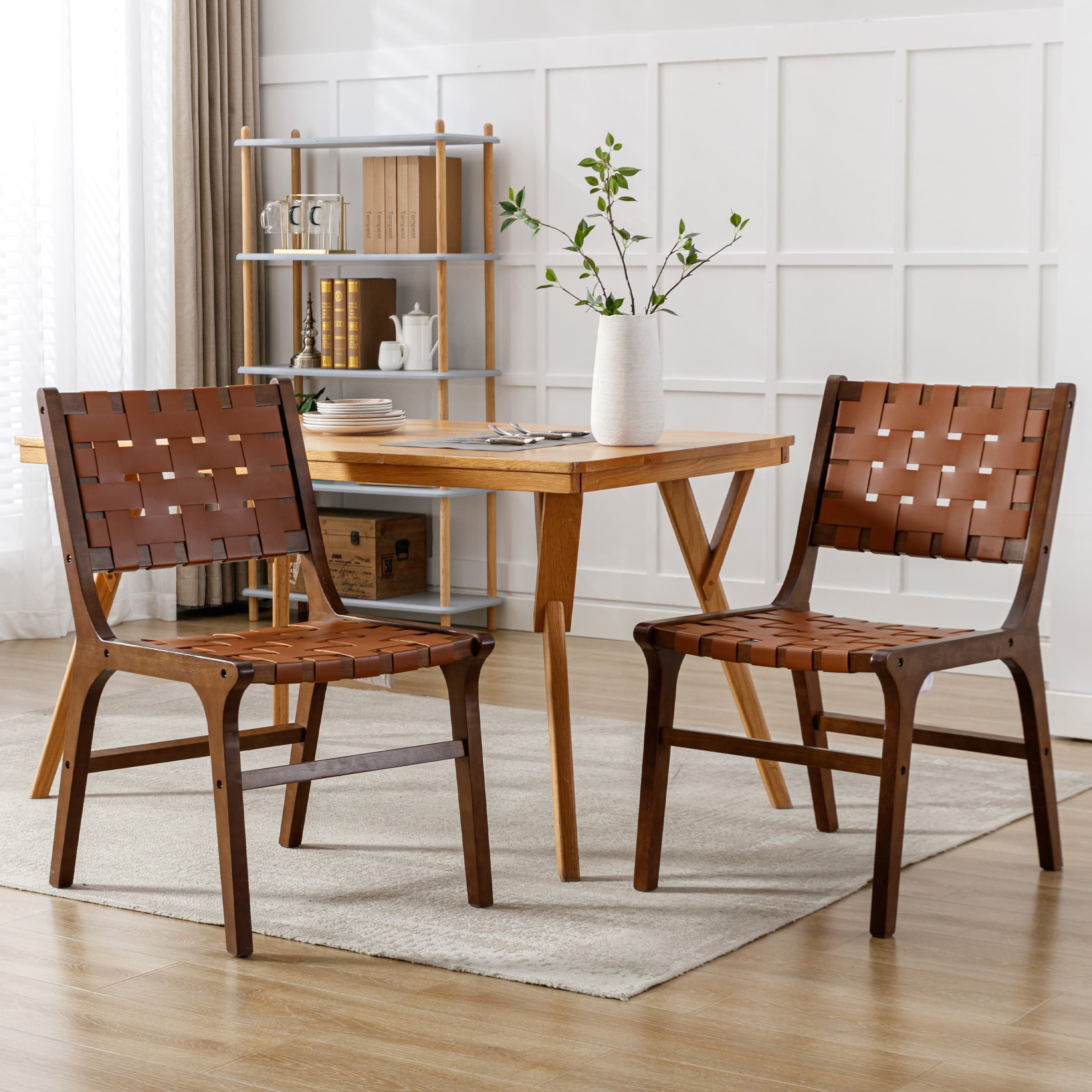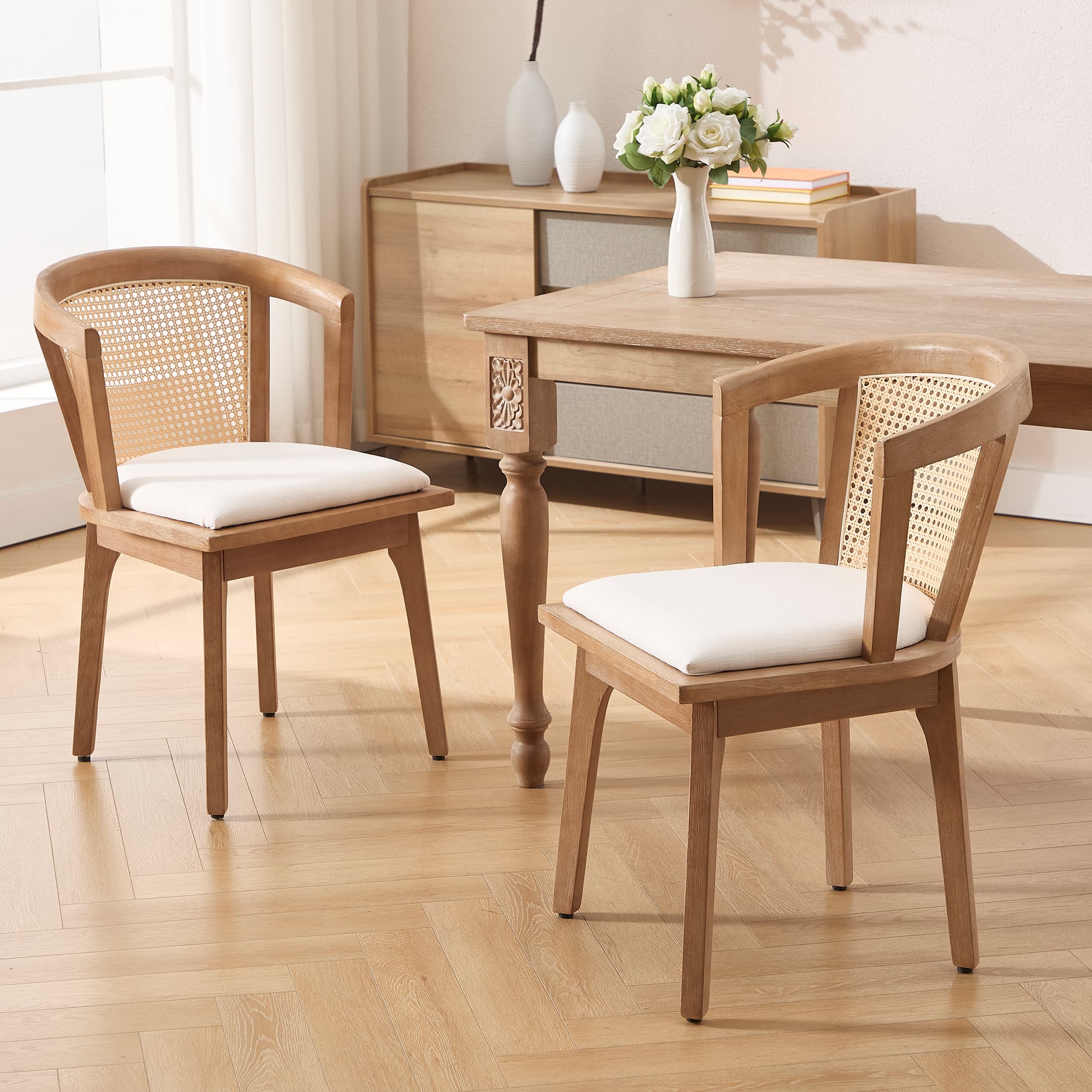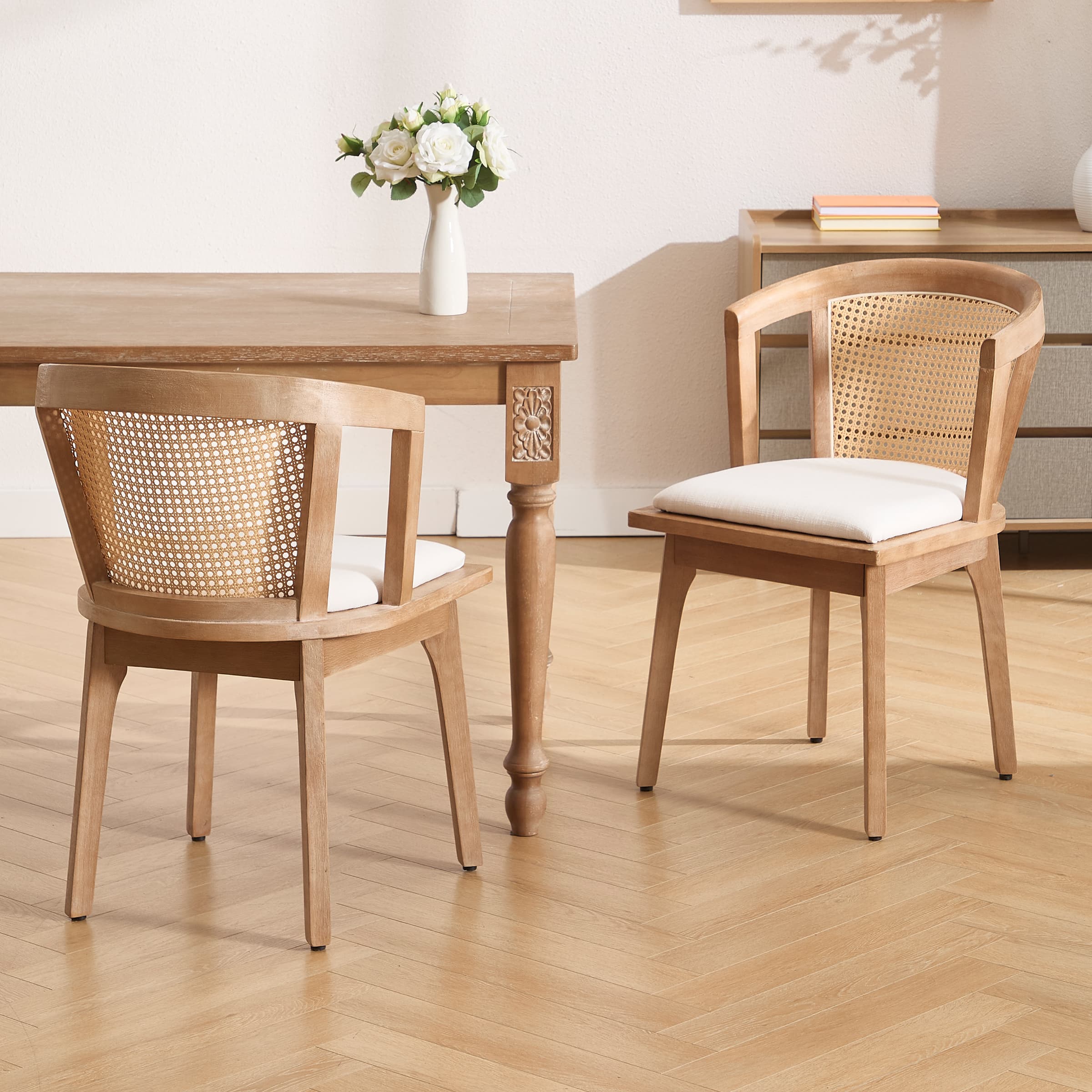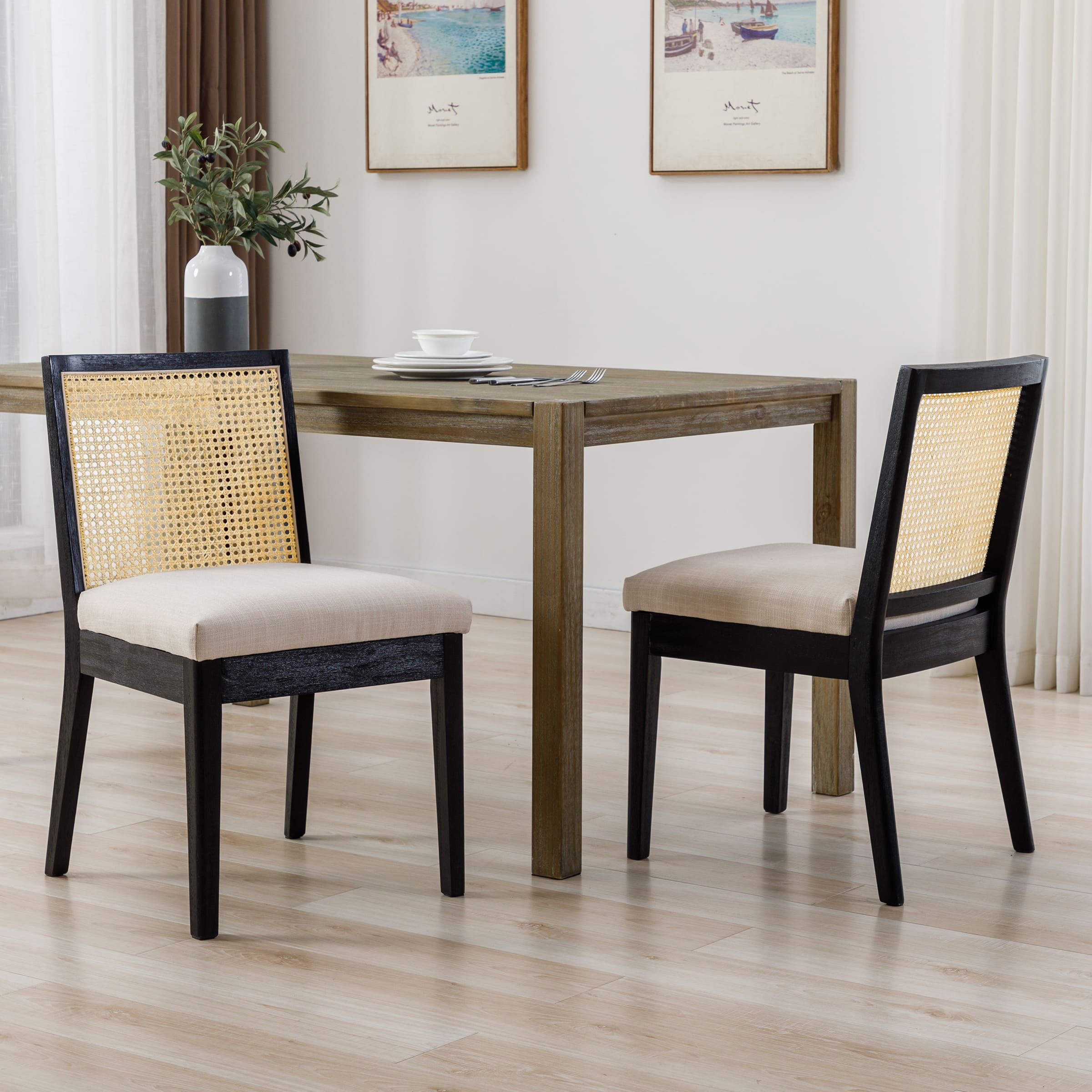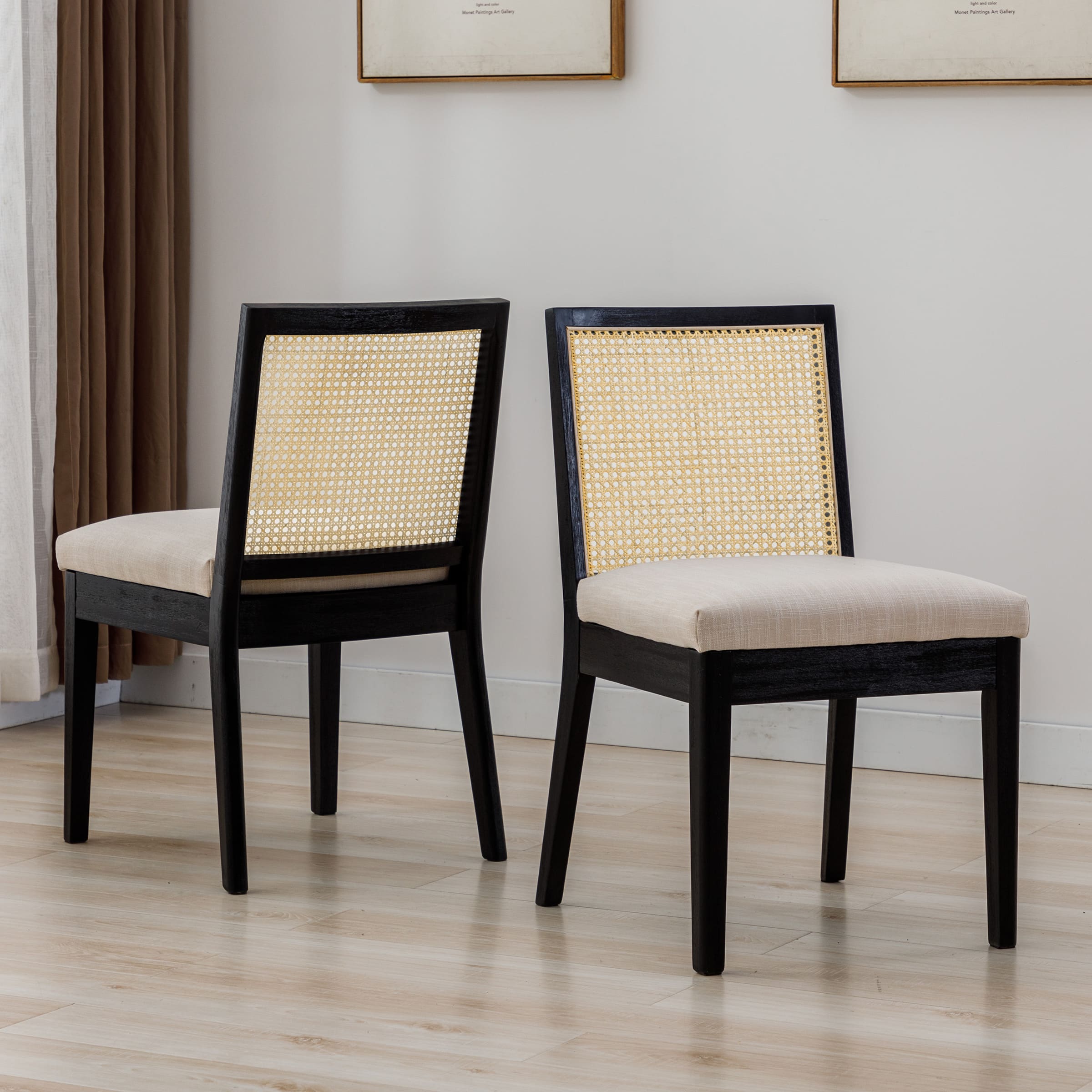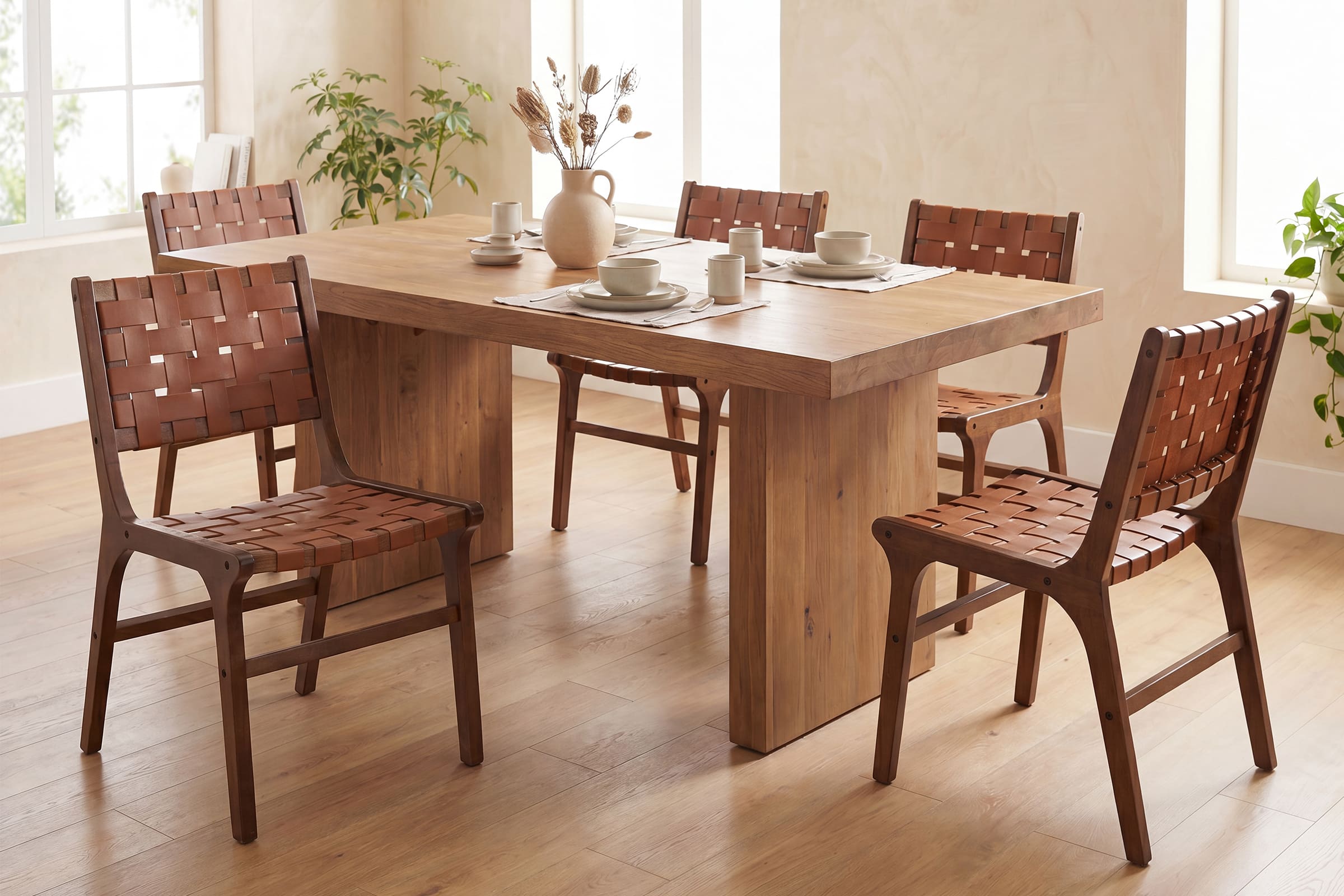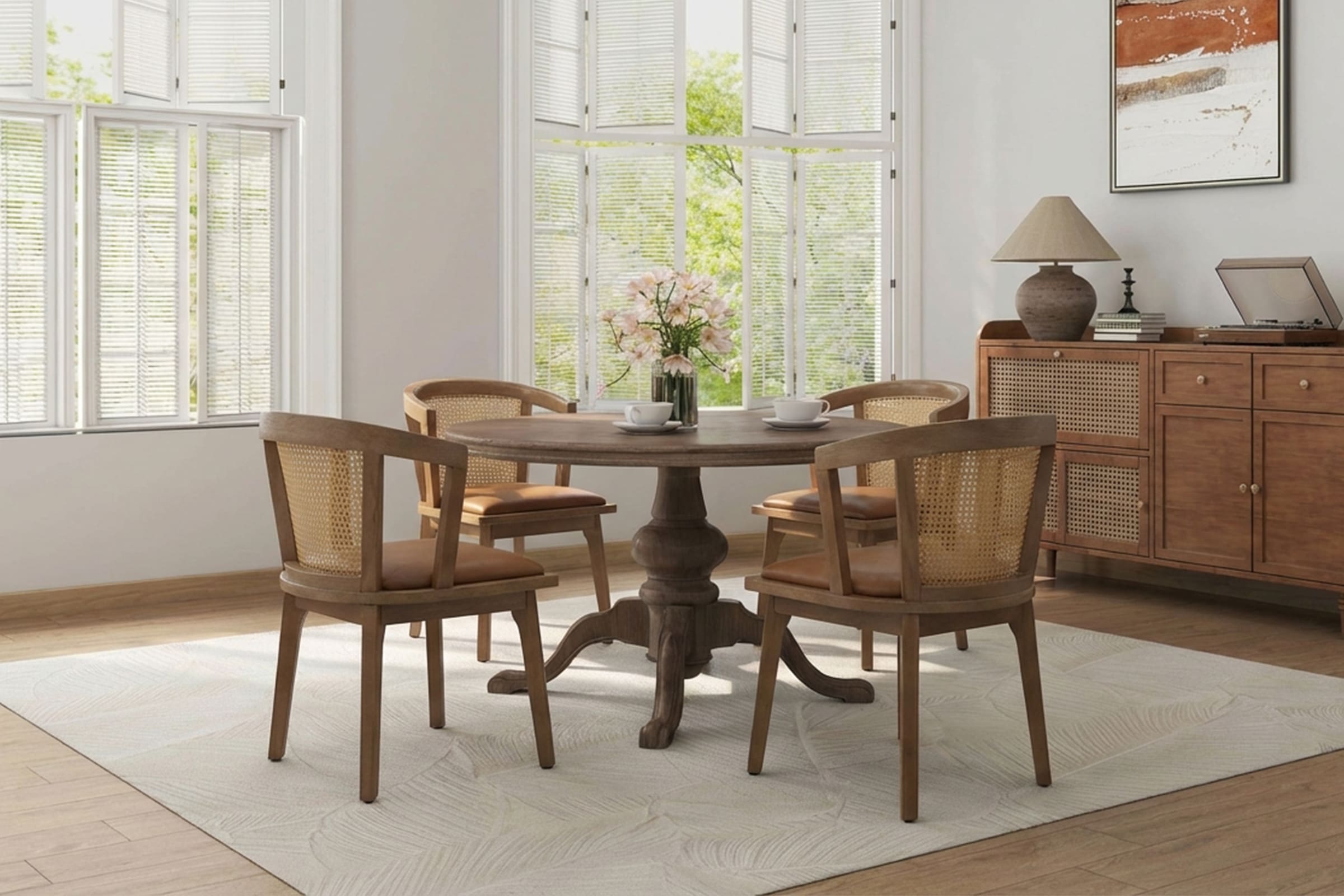

Which real wood and rattan furniture brands actually fit your home style and budget?
A chair can look warm, handmade, and expensive online, then arrive with vague material claims, weak joints, or proportions that feel wrong in your room. That gap is why so many shoppers get stuck comparing photos instead of comparing construction. When you are choosing among real wood and rattan furniture brands, the biggest risk is not buying the ugliest piece. It is buying the prettiest piece with the least staying power.
The better path is to judge quality before you judge branding. Once you know how to read solid wood claims, woven material labels, frame design, and comfort details, brand comparisons get much easier. In the sections below, you will sort the key quality signals first, then compare room-by-room use cases, and finally narrow brands by value, style fit, and everyday practicality.
What quality signals matter before you compare brands?
You do not need a furniture factory background to spot the difference between a lasting piece and a short-term lookalike. A few material and construction checks will usually tell you more than a polished product photo.
Material language you need to decode
Material wording matters because brands often mix accurate terms with soft marketing language. “Solid wood” should mean the structural part is made from real wood pieces, not just finished to look that way. “Veneer” means a thin layer of real wood over another core material, and that is not automatically bad. It becomes a problem only when a listing hides where veneer is used.
Keep these distinctions in mind: - Solid wood: best for legs, rails, and load-bearing frames - Veneer: acceptable on panels and backs when clearly disclosed - Natural rattan or cane: real plant fiber with visible variation and warmer texture - Synthetic woven material: more uniform and often easier to maintain, but less organic in look - Engineered wood: common in hidden components, but should not be confused with full solid wood construction
Core concepts that shape long-term value
Construction quality shows up slowly. A chair may feel fine on day one, then loosen after repeated use if the joinery is weak. Joinery means how the parts are connected. Tight joints, reinforced corners, and balanced leg placement matter more than decorative carving.
Focus on these signals when comparing real wood and rattan furniture brands: - Joinery stability: tighter joints usually outlast flashy details - Finish quality: smoother, even finishes resist wear and clean more easily - Frame design: wider stance, good foot placement, and balanced backs help prevent wobble - Seat support: padded upholstery helps, but the support structure underneath matters more - Weight and feel: extra weight alone does not prove quality, yet very light seating can signal thinner framing
Main furniture types worth separating
It helps to split your search by use case, because dining chairs, accent seating, and stools fail in different ways. Dining chairs handle repeated movement, side pressure, and long sits. Accent seating may get less daily wear, but it still needs stable arms, level feet, and a frame that does not twist. Stools add another variable: seat height and footrest placement.
That is why a room-by-room review works better than one broad brand ranking. A company might do strong farmhouse dining chairs and only average accent pieces. Another might excel at modern casegoods but offer limited woven seating depth. Compare the category you actually need first, not the brand story alone.
How should you compare real wood and rattan options room by room?
A good brand match starts with the room, because furniture that works in one zone can miss badly in another. Measurements, cleaning needs, and how long people actually sit all change the standard.