
Check the stain fast before it sets deeper
A spilled drink on fabric seating gets harder to fix once liquid sinks past the surface and into the padding. That is why the safest way to remove stains from fabric dining chairs is not harder scrubbing, but faster and more controlled action. If you rush in with a colored rag, too much water, or a strong cleaner, you can spread the mark, flatten the texture, or leave a ring that looks worse than the original spill.
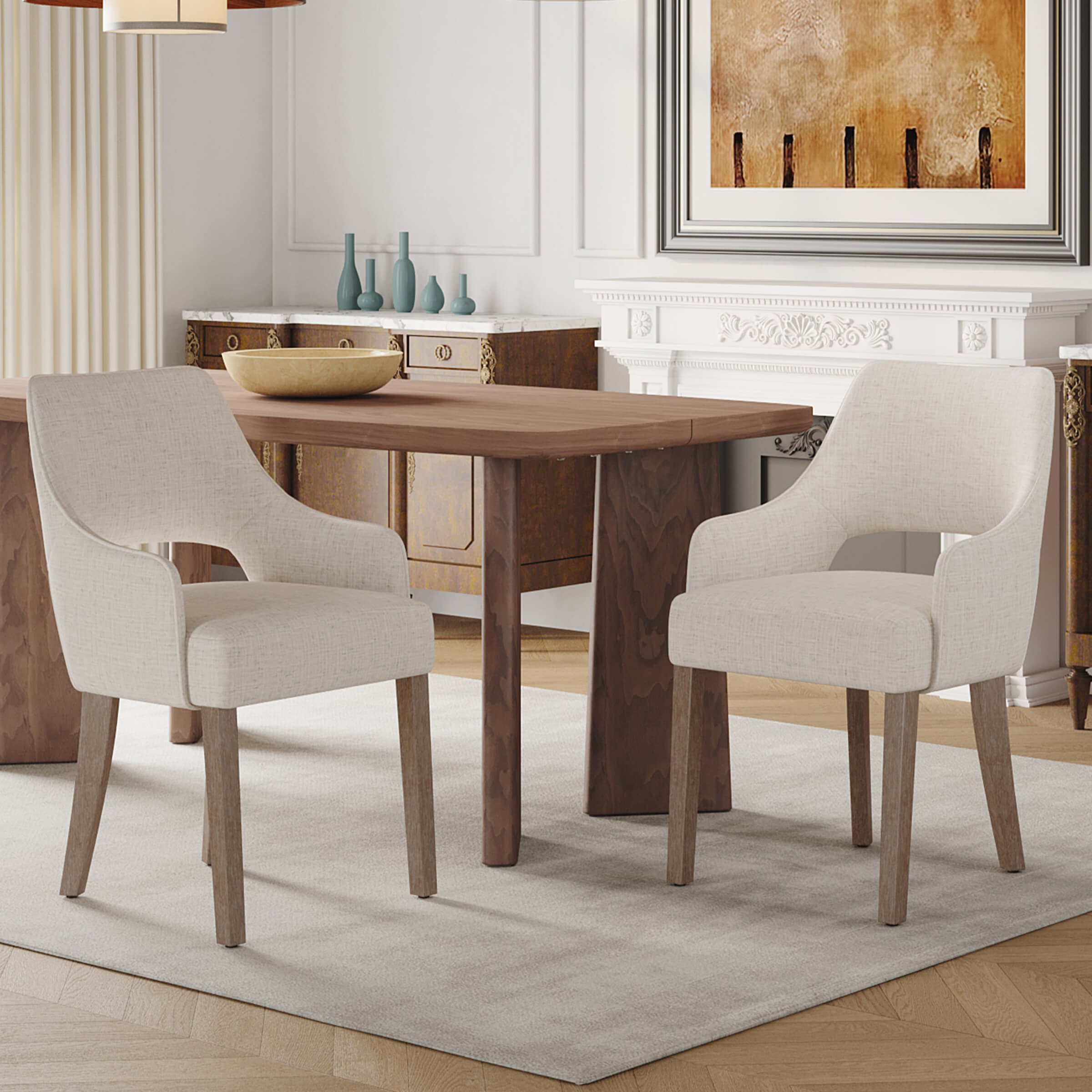
For safe fabric chair stain removal, keep the process simple: dry debris first, blot quickly, match the cleaner to the stain, and keep moisture light. If you are also comparing replacement seating, Chairus Dining Chairs includes 129 styles across linen, velvet, sherpa, polyester, PU, rattan, and wood options, which makes it easier to compare upkeep needs before you buy.
Find more options: Dining Chair
Before you touch the stain, check these safety limits
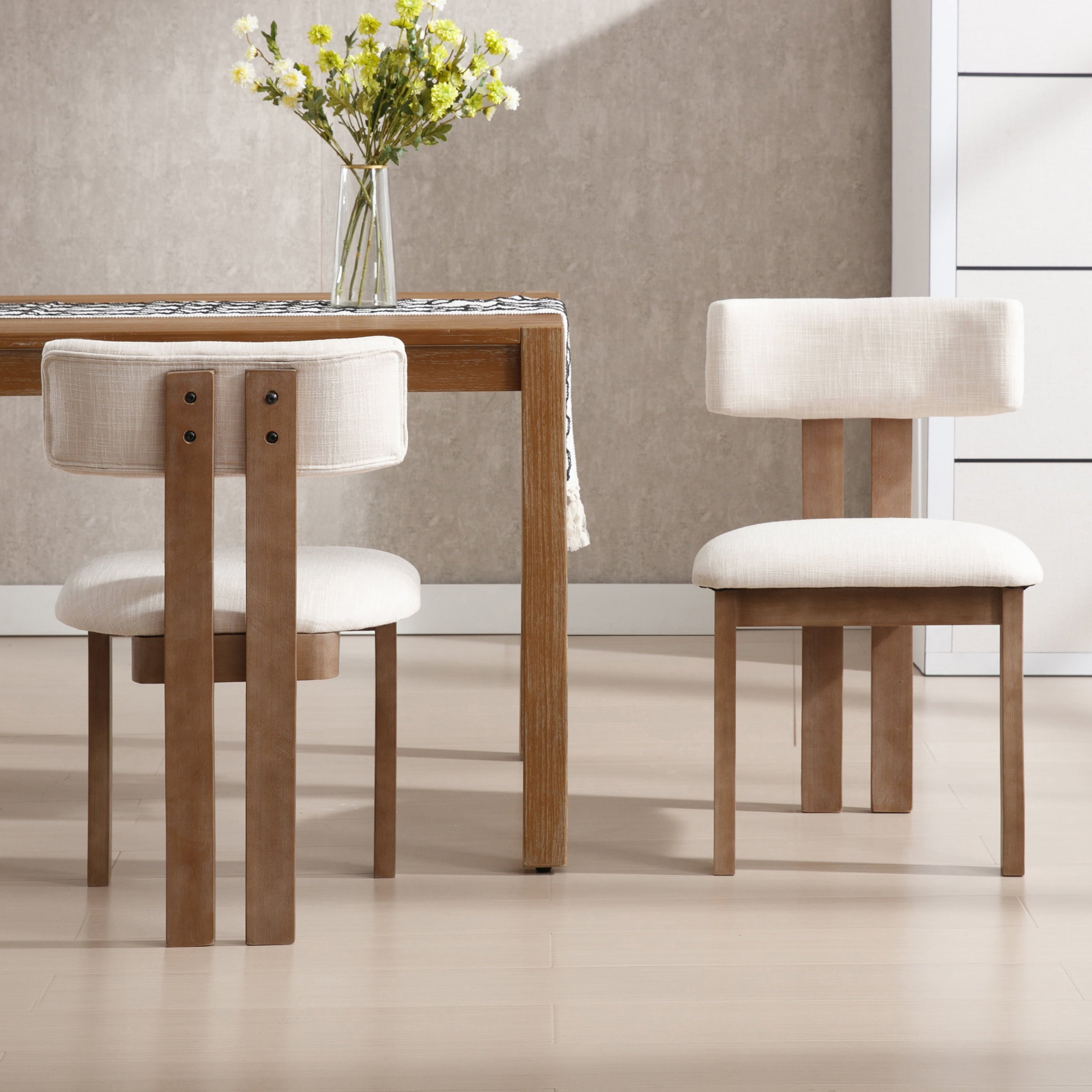
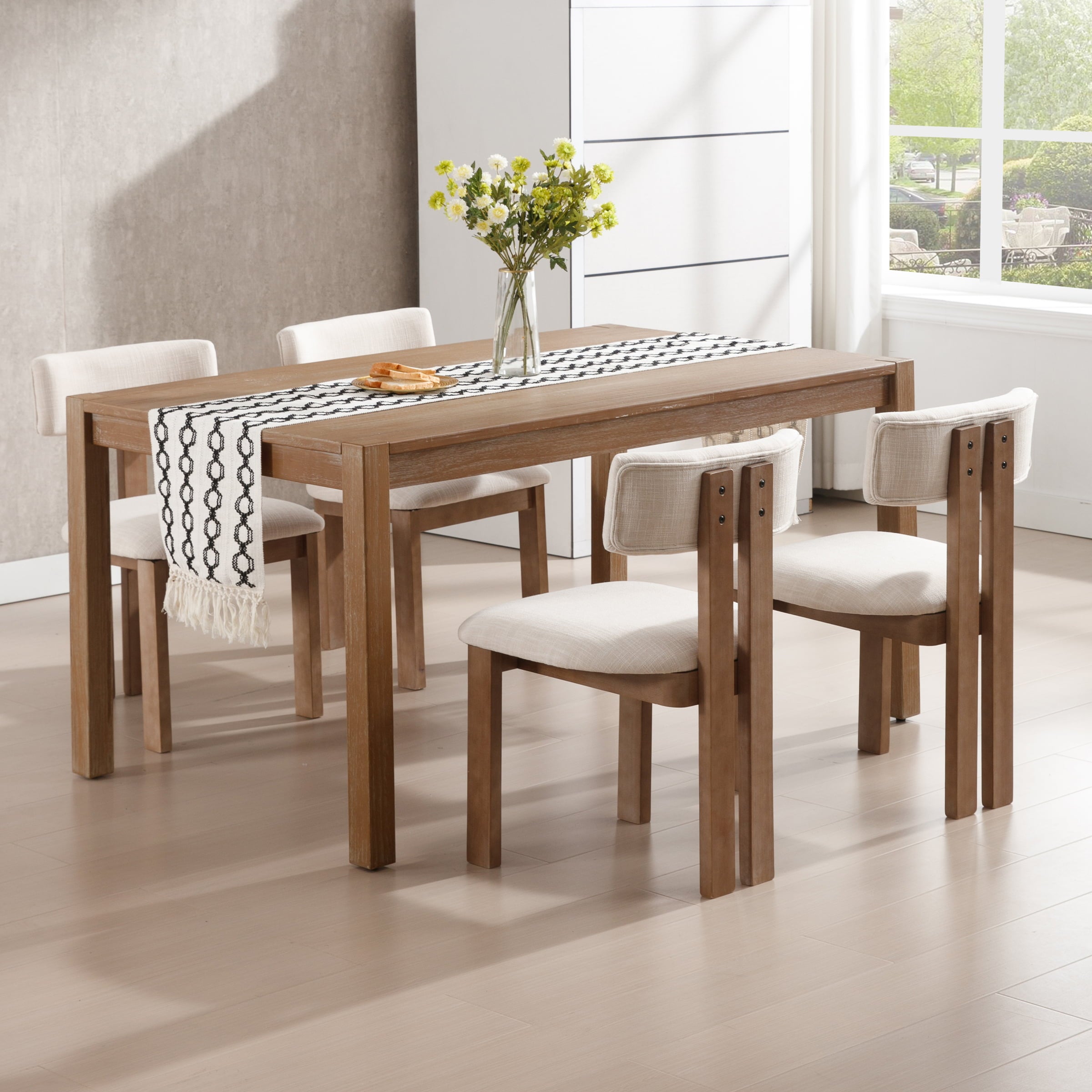
Before you start any dining chair stain guide, confirm that your chair is truly fabric upholstery and not PU or leatherette. Chairus care guidance separates linen and velvet from PU surfaces because fabric should be vacuumed and gently blotted, while PU can be wiped with a damp cloth and mild soap. On upholstered pieces such as the Upholstered Wooden Legs Dining Chairs Set of 2 - 10014DC, Chairus also advises avoiding harsh scrubbing and keeping routine care gentle.
What to do
- Test any cleaner on a hidden area first.
- Use only a white cloth or white towel.
- Blot instead of scrub.
- Keep water use minimal.
- Stop if color transfers to the cloth.
Why this matters
According to the EPA, damp furnishings should be dried within 24 to 48 hours to help prevent mold growth. That matters with upholstered seats because the fabric may feel dry before the inner cushion is actually dry. If a stain is large, old, or soaked deep into the seat, a light household pass may not be enough.
The 7-step method to clean fabric dining chairs without damaging the material
Step 1: Remove loose debris first
Dry cleanup comes before wet cleanup. Crumbs, dust, and gritty particles can scratch fibers or smear into the weave if you start with a damp cloth too soon.
What to do
- Use a vacuum brush on seams and corners.
- If you do not have a vacuum, use a dry microfiber cloth.
- Lift solids straight up instead of dragging them.
Common mistake
- Spraying or dabbing over crumbs and pushing them deeper.
Step 2: Blot the fresh spill immediately
When you need to remove stains from fabric dining chairs, speed matters more than pressure. Press a clean white cloth onto the spill and hold it for a few seconds so the cloth can absorb liquid before it spreads.
What to do
- Blot with firm, gentle pressure.
- Rotate to a dry part of the cloth often.
- For coffee, juice, or wine, repeat until transfer slows.
What to watch
- Do not rub in circles.
- Do not press so hard that liquid spreads outward.
Step 3: Identify what kind of stain you are treating
You will get better results if you sort the stain before choosing a cleaner. Most dining chair spills fall into three groups: water-based, oily, or mixed food stains.
Quick stain check
- Water-based: juice, soda, coffee, tea
- Oily: butter, salad dressing, skin oil
- Mixed: pasta sauce, gravy, chocolate, makeup-like smears
Why this matters
Plain water may help with a fresh drink spill, but oily or mixed stains usually need a mild soap solution. Guessing too early is a common reason people overwet the chair.
Step 4: Mix a mild fabric-safe cleaning solution
For most household stains, start with the least aggressive cleaner that can work. Lukewarm water with a small drop of mild dish soap is usually enough for a first pass when you are learning how to clean upholstered dining chairs safely.
Tools or settings
- 1 small bowl of lukewarm water
- 1 to 2 drops of mild dish soap
- 2 white cloths
- 1 dry towel
What to do
- Mix lightly so the solution is not overly sudsy.
- Apply the solution to the cloth, not straight to the chair.
- For textured fabric, use even less moisture.